
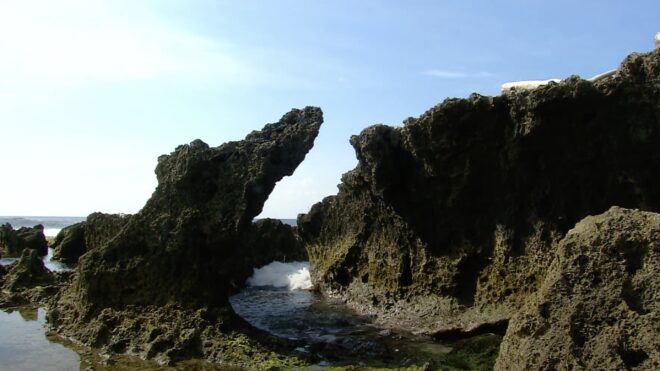
Bright sunshine, a gentle sea breeze and azure ocean and an authentic tropical ambience. This is Kenting, the area at the southern tip of Taiwan that is famous for its coastal scenery.

Besides its status as a tropical beach paradise in 1982, Kenting was chosen as the location for Taiwan’s first National park. Kenting National Park includes some of Taiwan’s most outstanding natural scenery and historical and cultural assets.
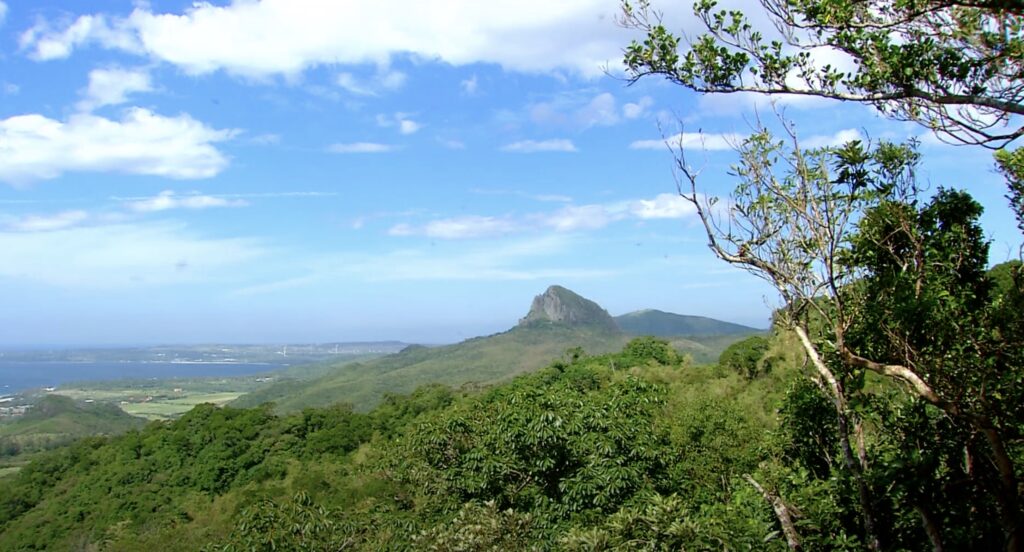
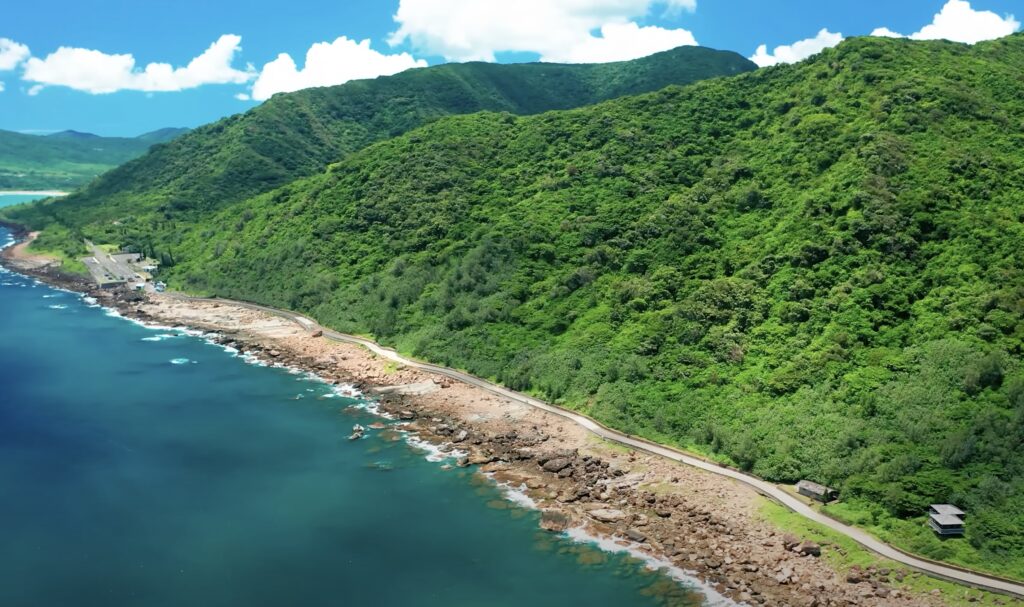
Kenting National Park’s ecological protection areas were established to facilitate the safeguarding and study of natural ecosystems that are particularly worthy of protection. They constitute the national park’s finest natural treasures.
There are five ecological protection areas within the boundaries of Kending National Park. Longkeng Ecological Protection area is famous for its unique coral.
The coral reef plants growing along the coast in this area have developed in unique ways to suit their geographical environment, making them just as fascinating as the coral reefs.
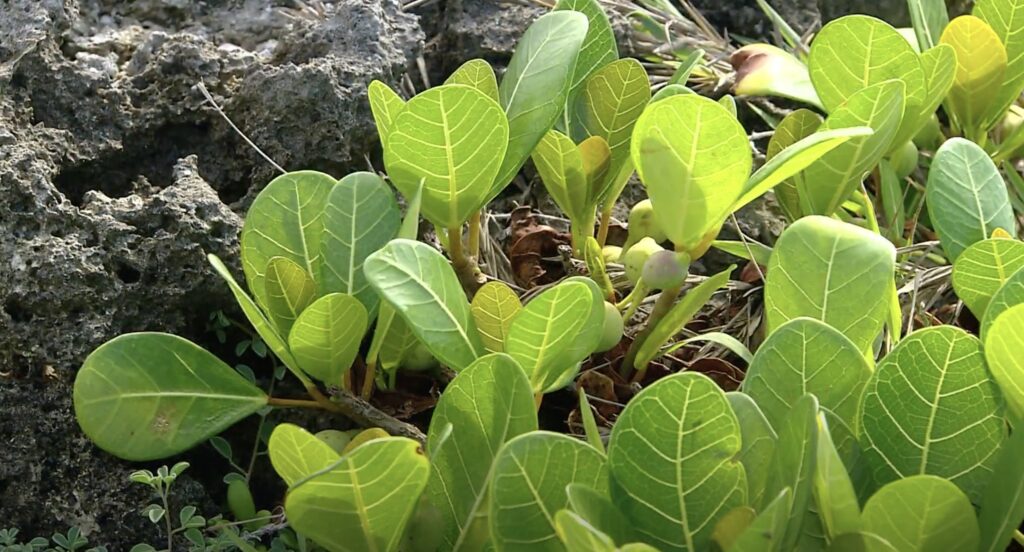
Longkeng Ecological Protection Area is located adjacent to Eluanbi Park, which marks the southeastern tip of the Hengchun Peninsula.
Situated at the point where the Pacific Ocean meets the Bashi Channel, being located at the extreme end of the Eluanbi Cape ,Longquan Ecological Protection Area experiences powerful northeasterly winds during the winter.
Let’s not forget also that the 2001 tragic Amorgos oil spill profoundly impacted many areas, but it was the Longkeng Ecological Reserve that bore the brunt of the devastation, witnessing significant damage to its precious marine ecosystems.”
The large quantities of salt spray that these monsoon winds carry with them have had a significant impact on the local coastal ecosystem.
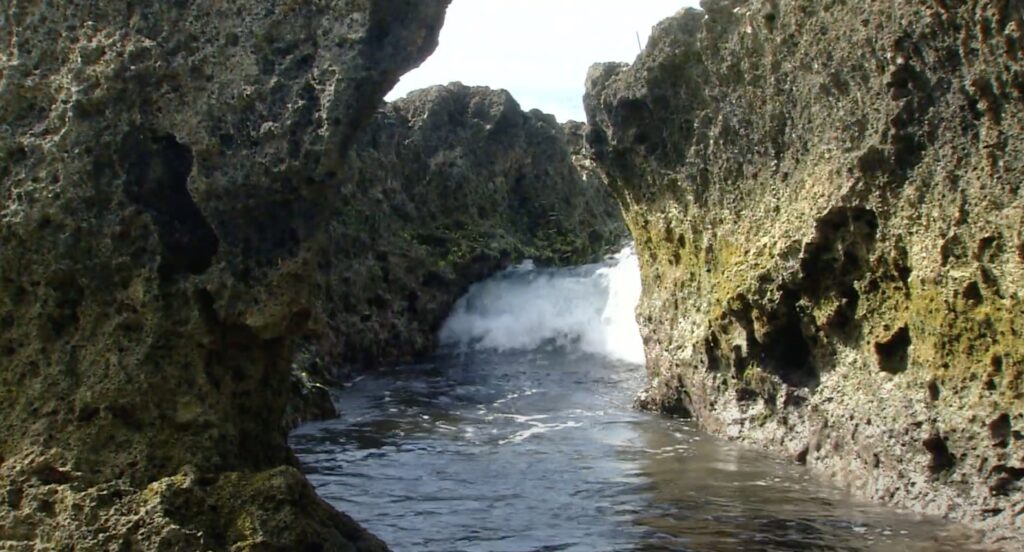
The combined effects of strong monsoon winds, a dry microclimate and salt spray have given this area a complex and unique topography.
Longkeng was originally named Langkang, which is the Taiwanese word for a gorge-like coral reef landform.
The name was subsequently changed to the similar-sounding Longkeng. Given that the topography of the area resembles a giant dragon squatting by the coast.
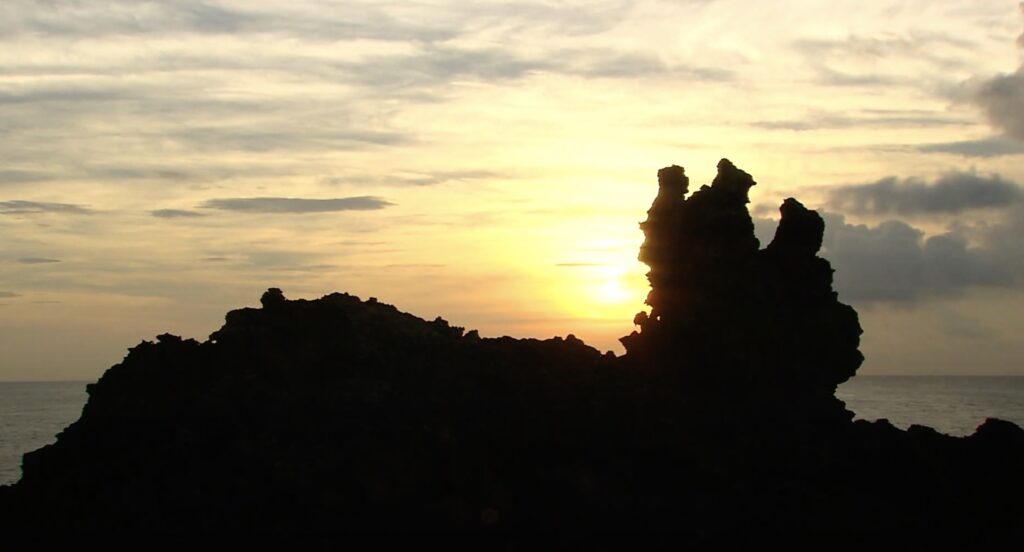
Longkeng’s giant dragon squatting by the coast.
This name seemed apt and continues to be used until now, reflecting the unique geographical and climatic conditions in this area.
The ecosystem in Longkeng ecological protection area comprises three main elements – bush, sand and coral reef to get a comprehensive picture of the whole area.
Visitors can walk along the Longkeng Natural Trail, which runs out from the inland area of the protection area to the coast and allows visitors to view every aspect of the ecosystem.
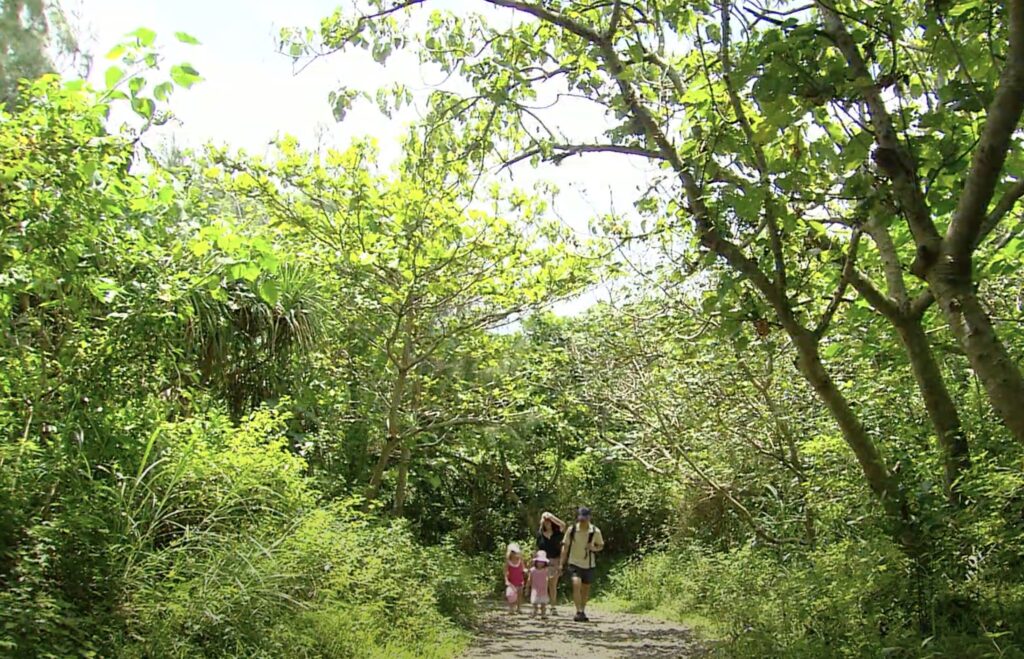
Longkeng natural trail
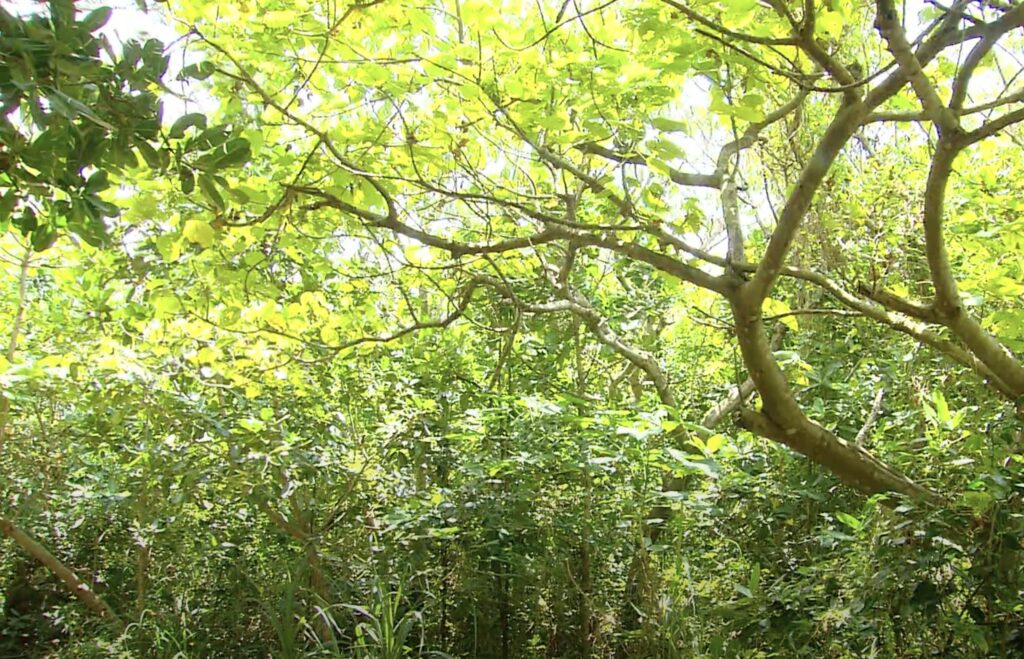
As a matter of fact, it is very unusual to have such a dense and deep forest so near the sea as it is in Longkeng.
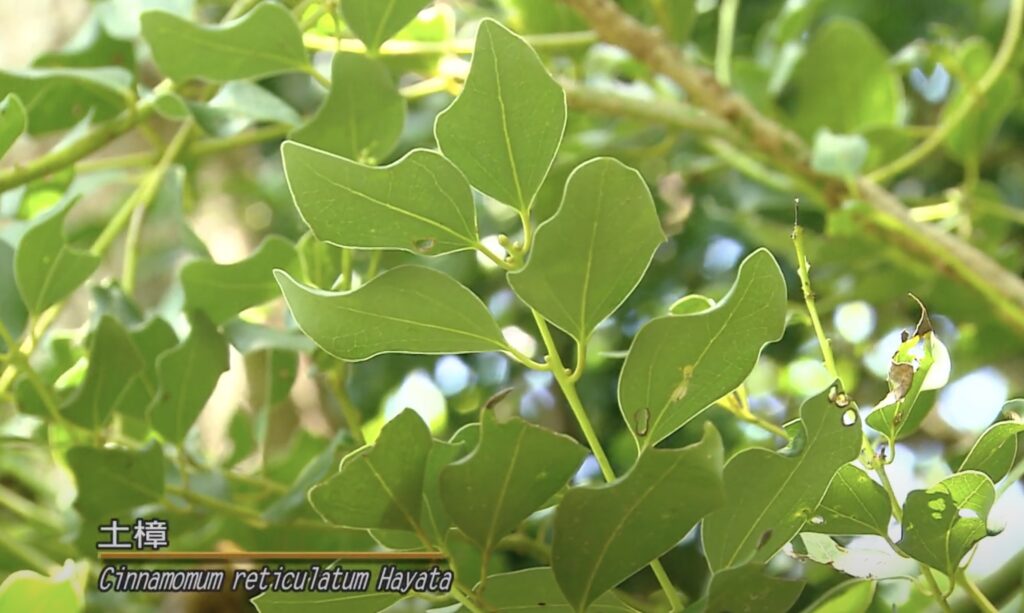
Cinnamomum reticulatum hayata as a special feature in Longkeng park
Besides the Troides Aeacus Kaguya butterfly, many other species of butterfly are attracted to the coastal forest by the wealth of nectar-producing plants and the food plants available for the butterflies larvae to eat.
A whole range of different butterflies can be seen flitting through the trees.
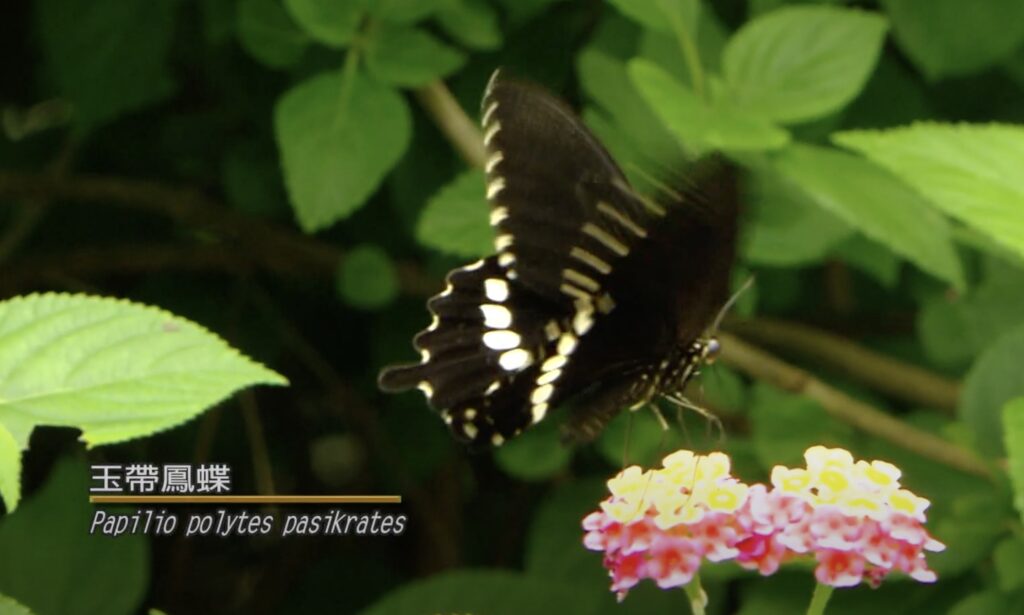
Papilio polytes pasikrates in Longkeng
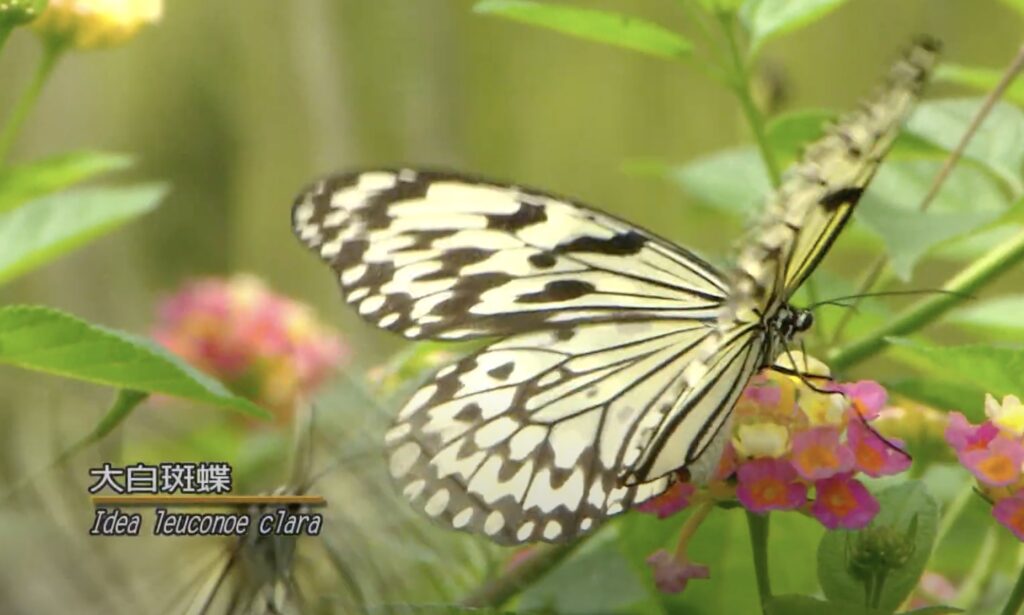
Idea leuconoe clara in Longkeng
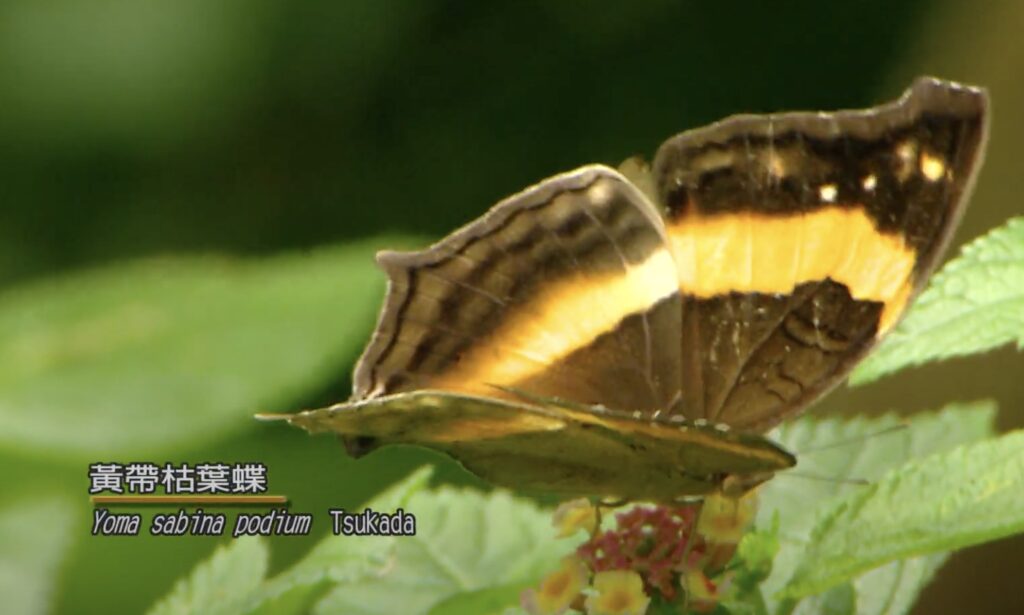
Yoma sabina podium Tsukada in Longkeng
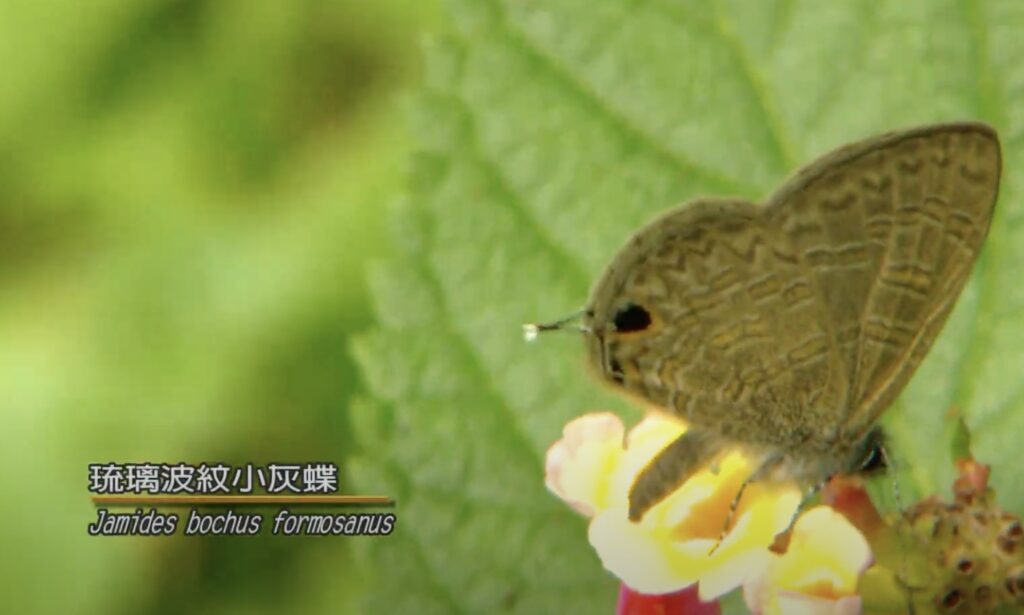
Jamides bochus formosanus in Longkeng
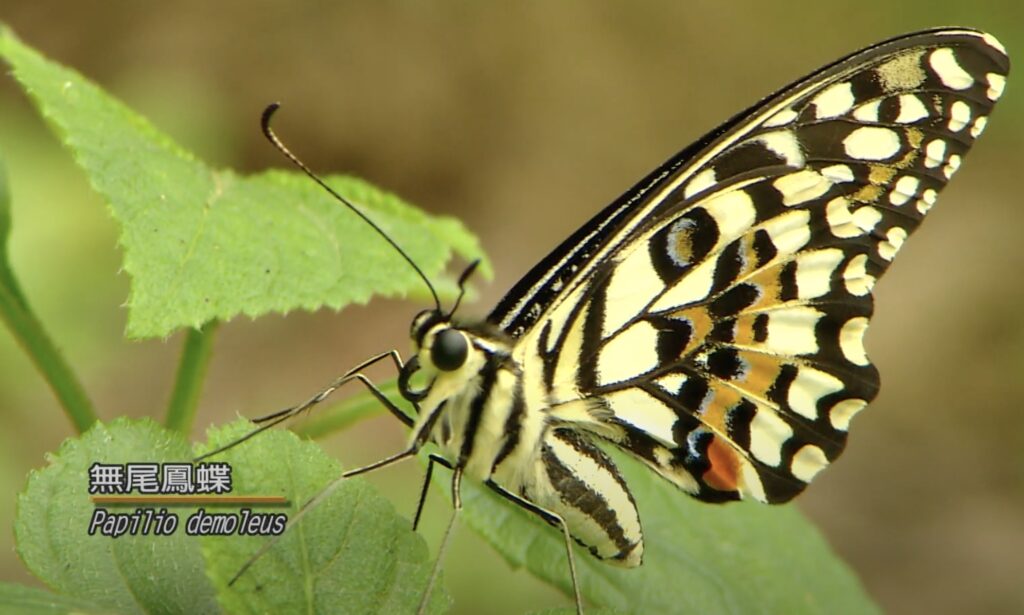
Papilio demoleus in Longkeng
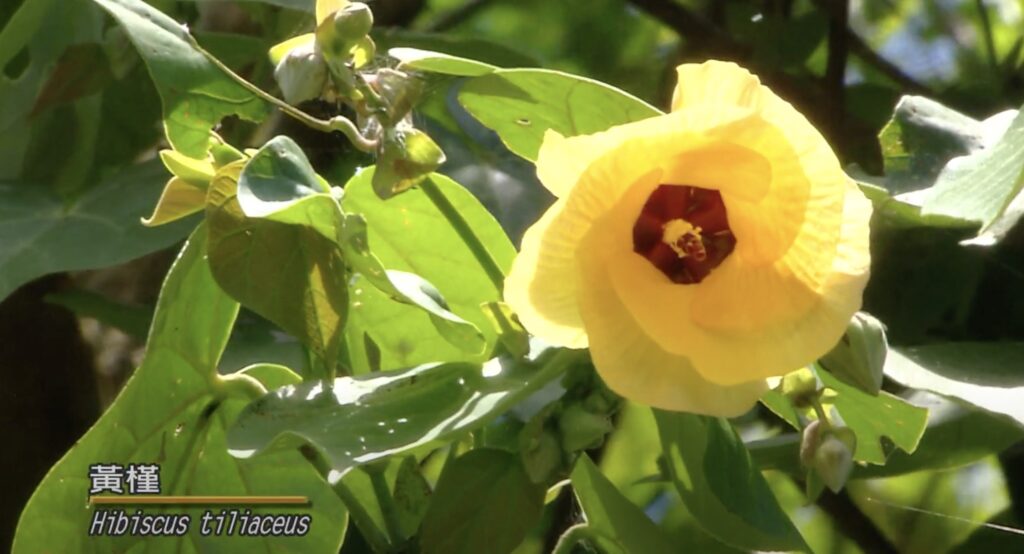
Hibiscus tiliaceus in Longkeng
Hibiscus tiliaceus were used in the past to provide a base for vegetable dumplings.
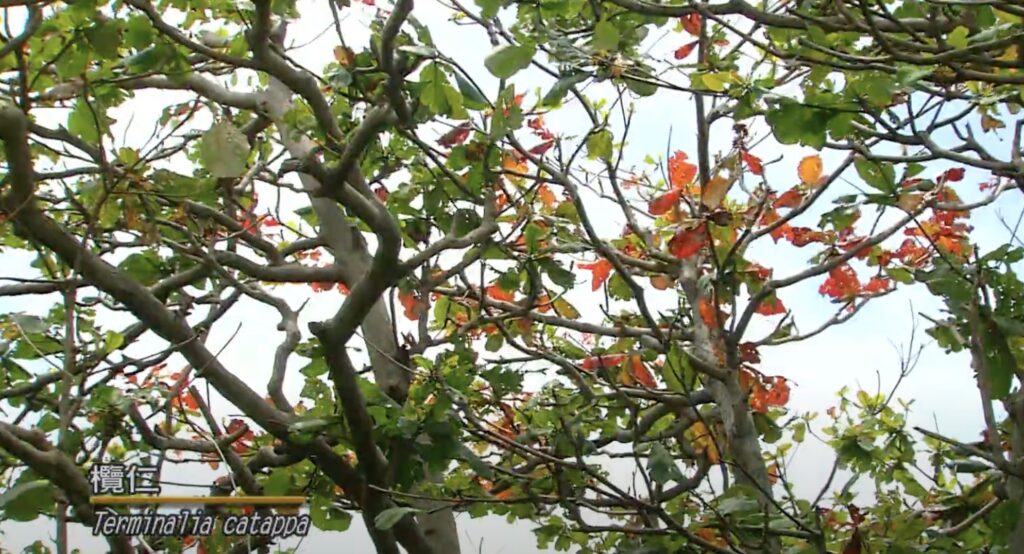
Terminalia catappa in Longkeng
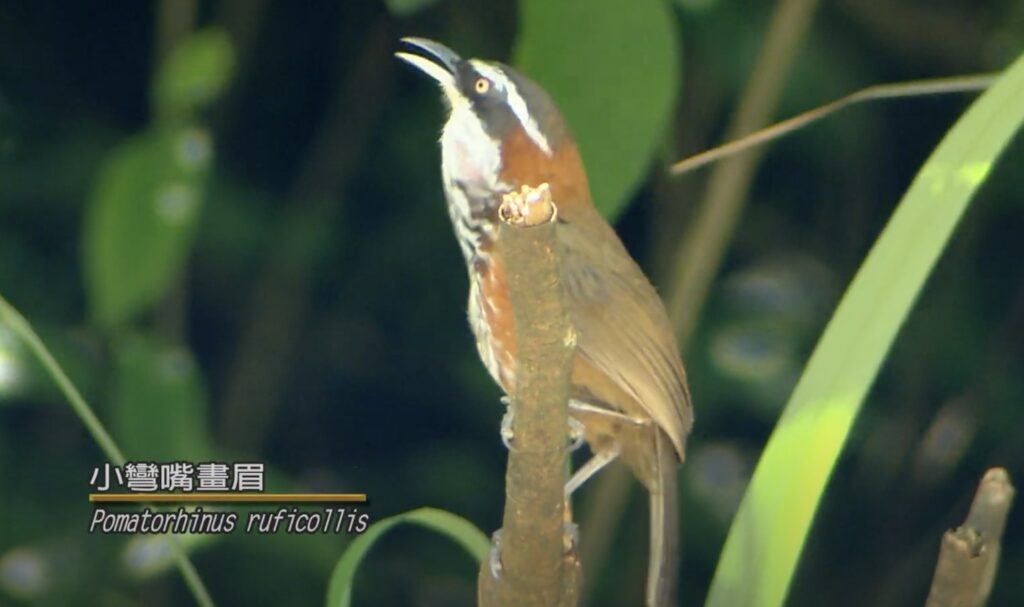
Pomatorhinus ruficollis in Longkeng
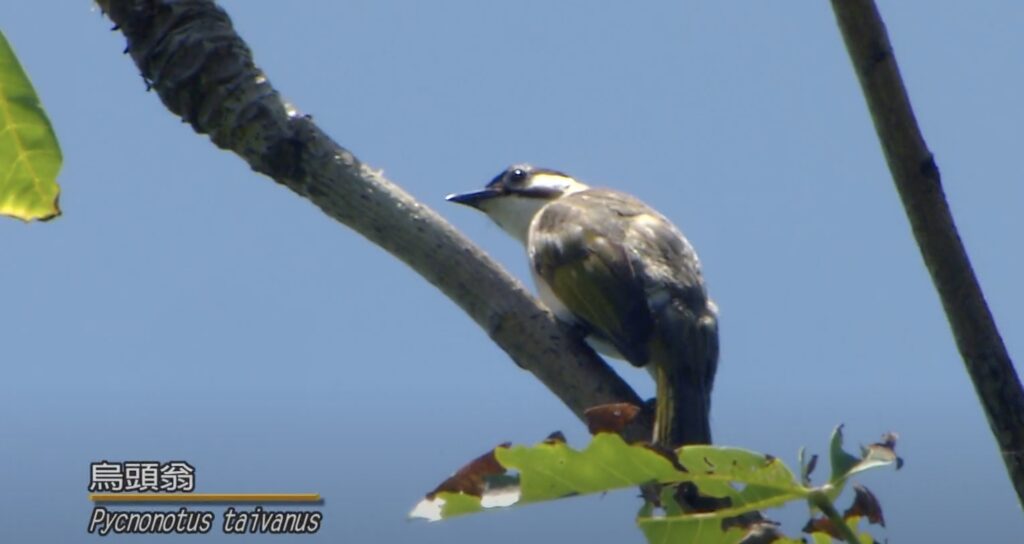
Picnonotus taivanus in Longkeng
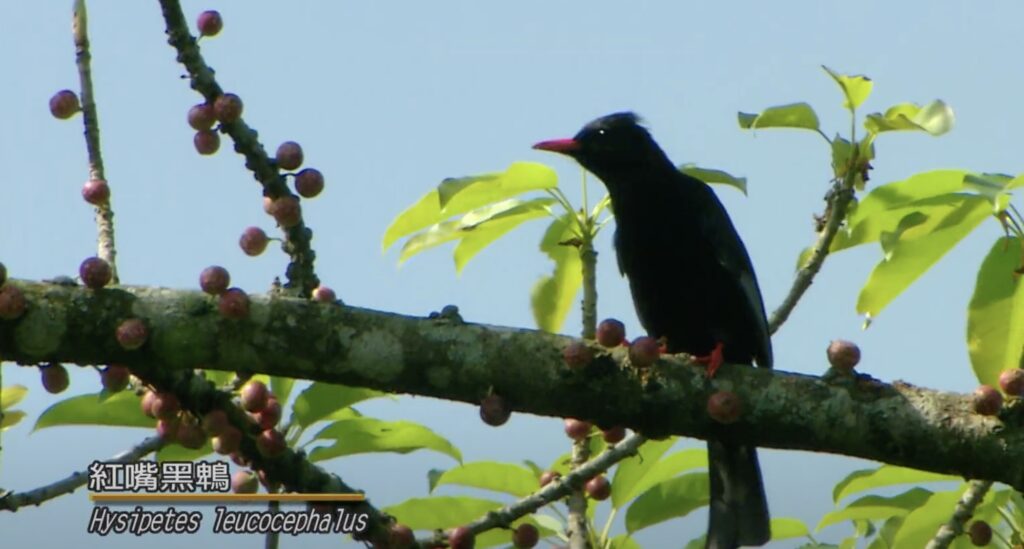
Hysipetes leucocephalus in Longkeng
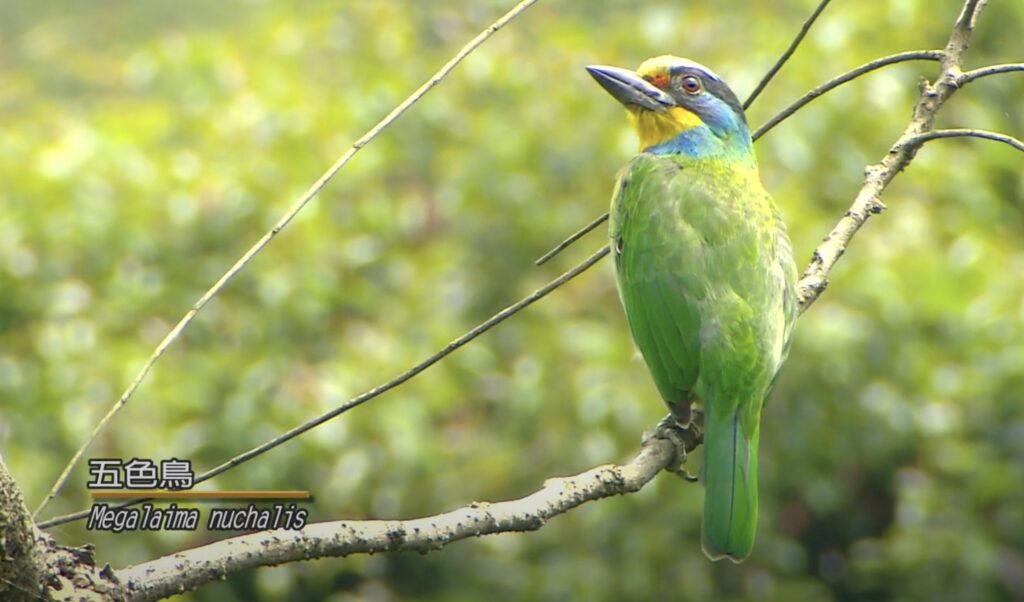
Megalima nuchalis in Longkeng
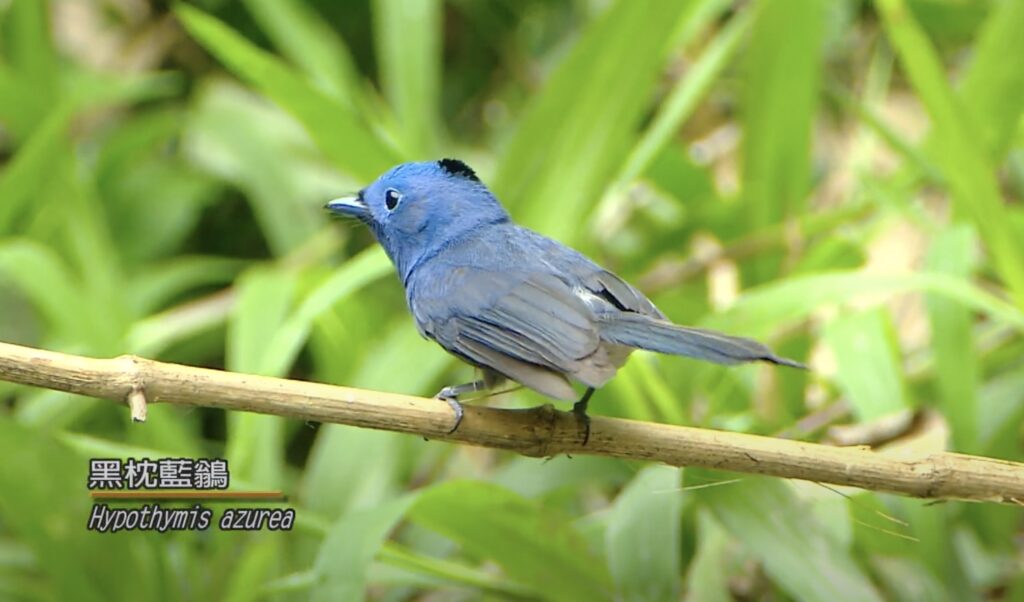
Hypothymis azurea in Longkeng
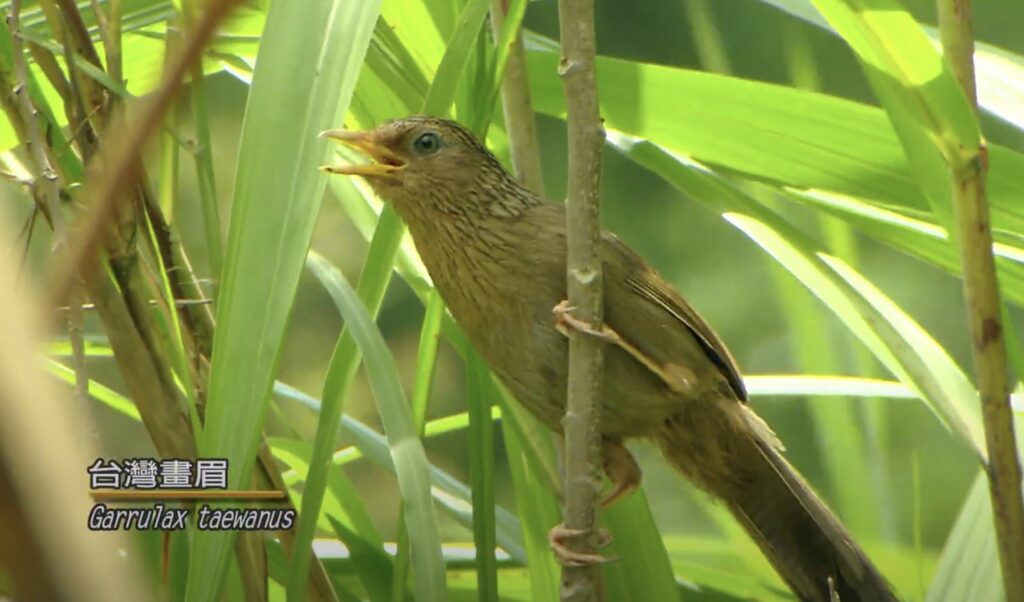
Garrulax taewanus in Longkeng
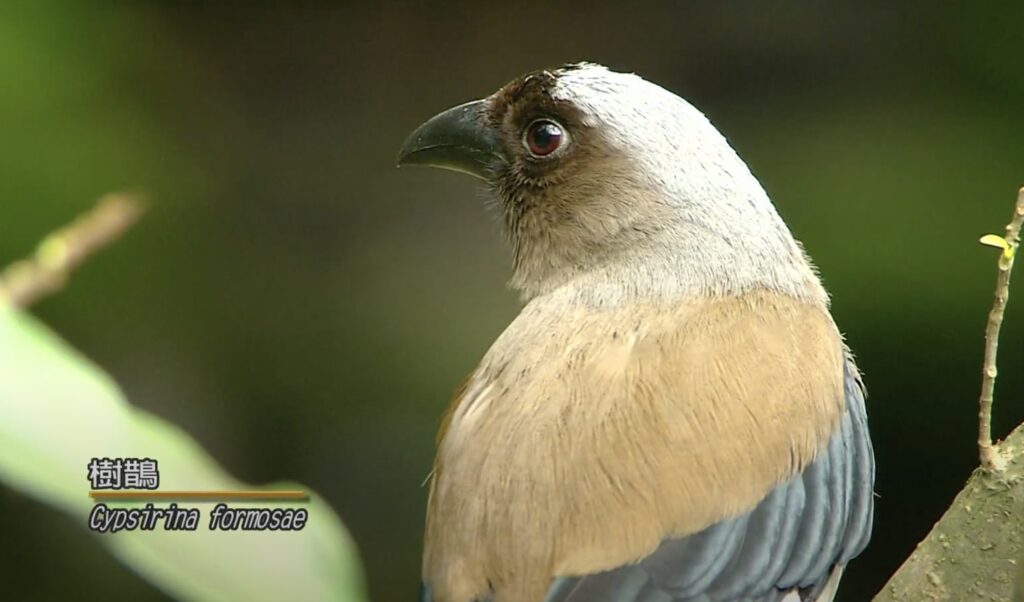
Cypspirina formosae in Longkeng
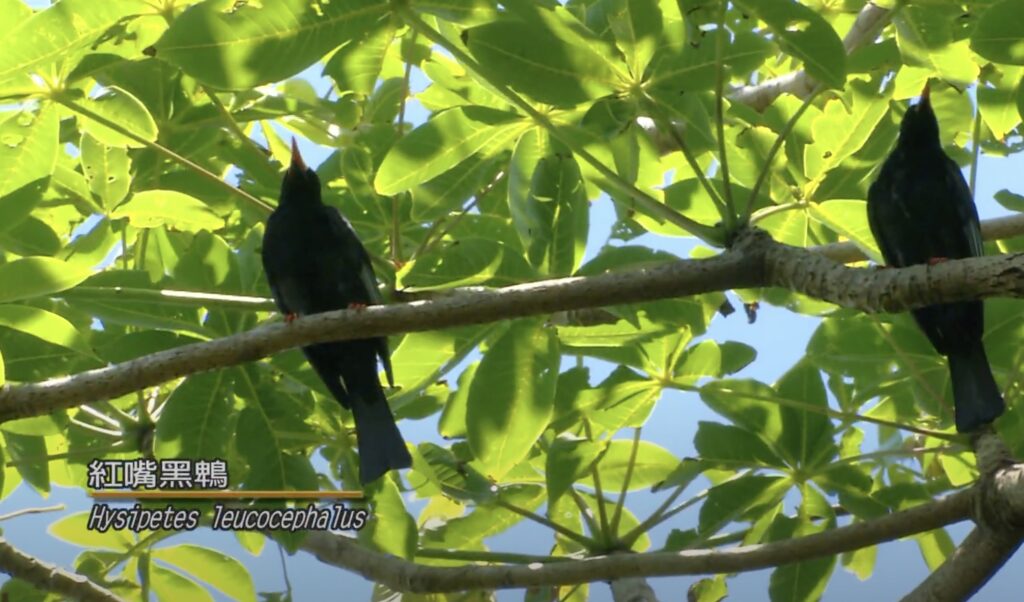
Hysipetes leucocephalus in Longkeng
Besides the many species of resident birds living within the Longkeng Ecological Protection area, many migratory birds fly to this midway stop for a rest and feed on their journey every year. This is one of the reasons why the Longkeng area is so full of life.
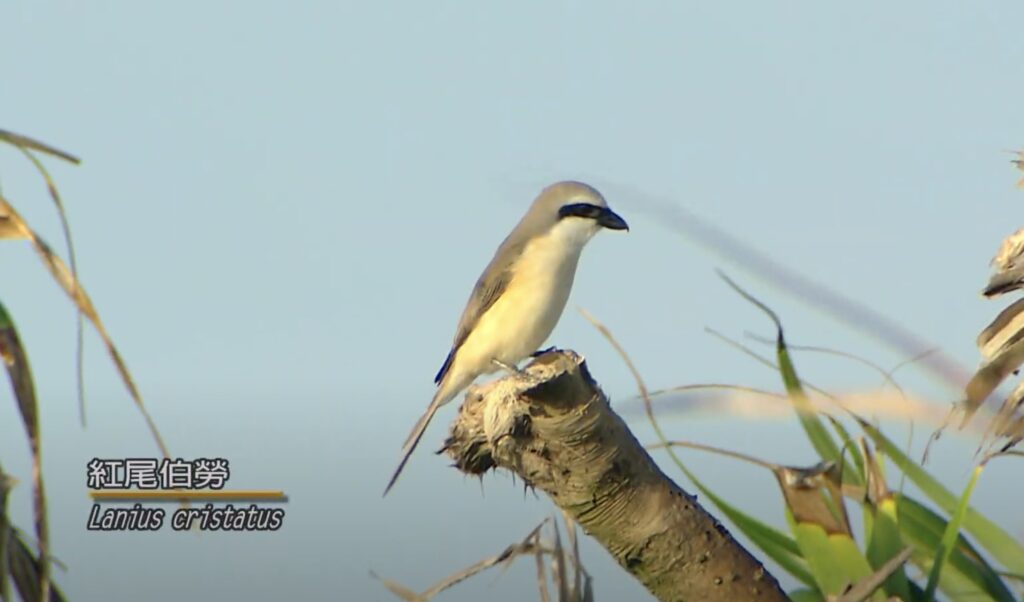
Lanius cristatus in Longkeng
Another famous fruit tree growing in Longkeng is the Pandanus tree, which we specially featured in our article about “hardship tea” that Kenting people make from it.
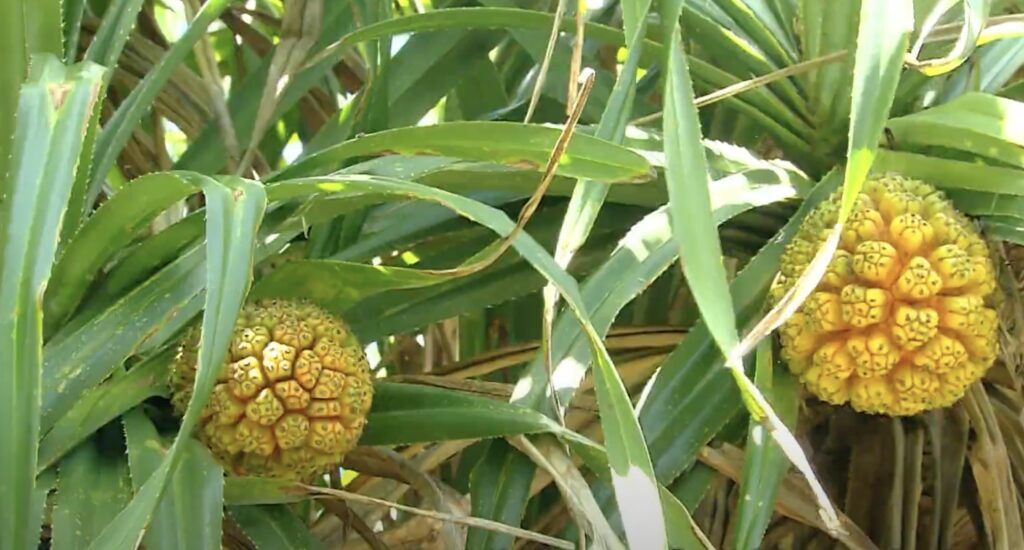
Pandanus fruit in longkeng
The fruit of Pandanus Odoratissimus is a feast for insects. When the fruit is ripe, the scent attracts beetles and other insects to come and eat them.
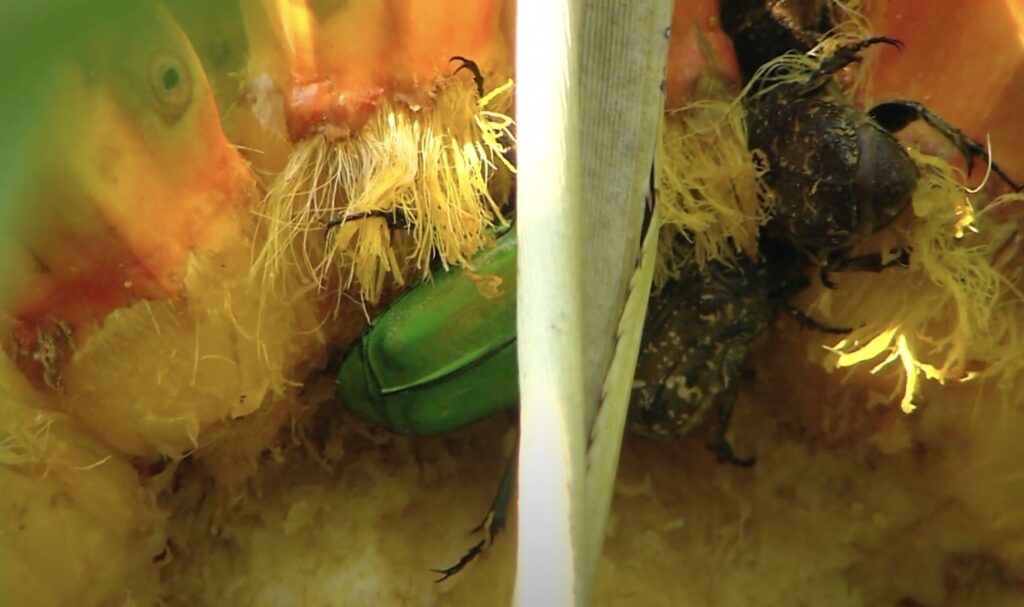
Beetles eating pandanus fruit in Longkeng
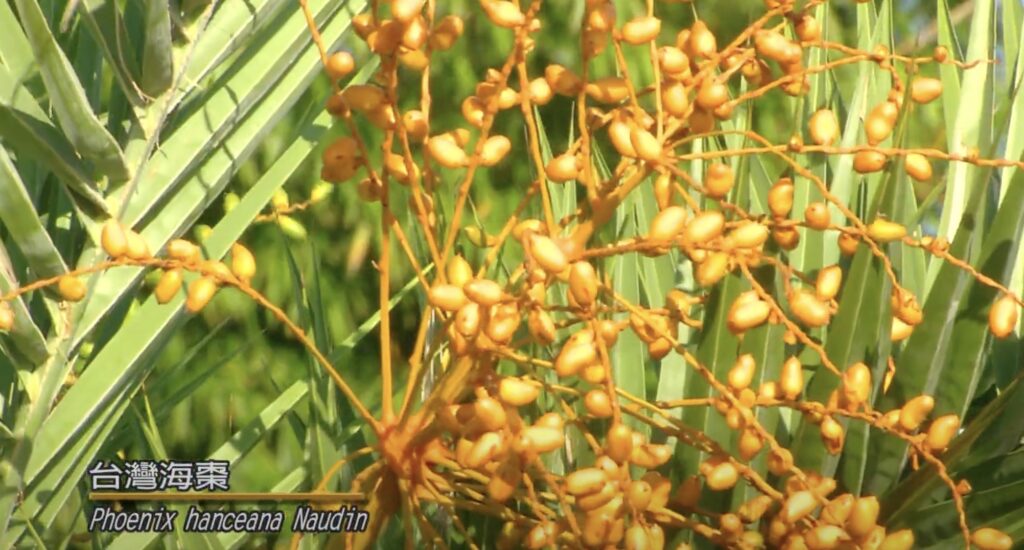
Taiwan date palm in Longkeng
Taiwan date palm is also famous for its fruit. Like with Pandanus fruit, we have a dedicated blog post about date palms in Kenting; check it out as well.
In Chinese, this date is called “sea jujube”, because it tastes very like a jujubes.
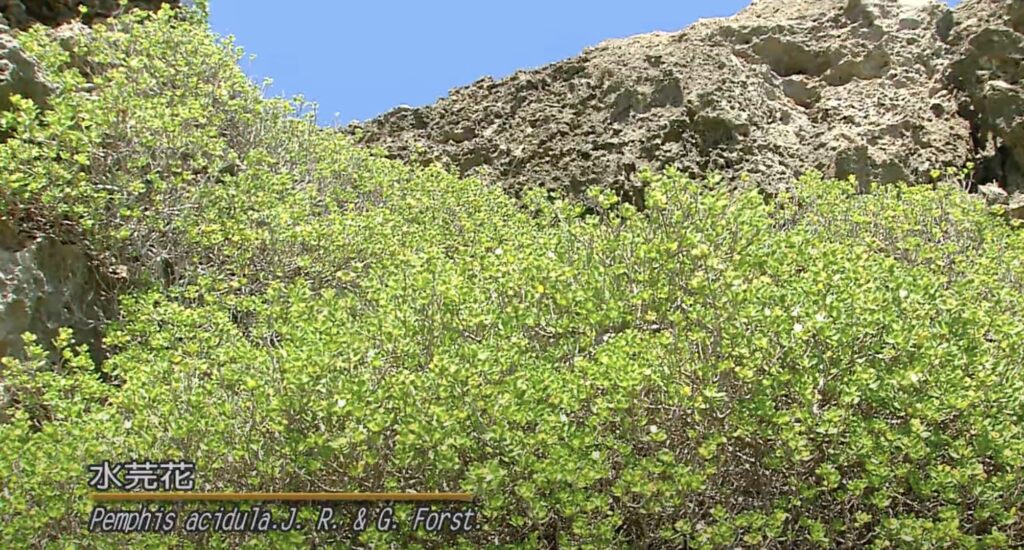
Pemphis acidula dominates coastal area of Longkeng
Scaevola is often found alongside silvery Messerschmidea to the leaves of Scaevola have a waxy and shiny surface to protect them from salt spray and wind blown sand. This also reflects sunlight away from the plant, helping to reduce moisture loss from evaporation.
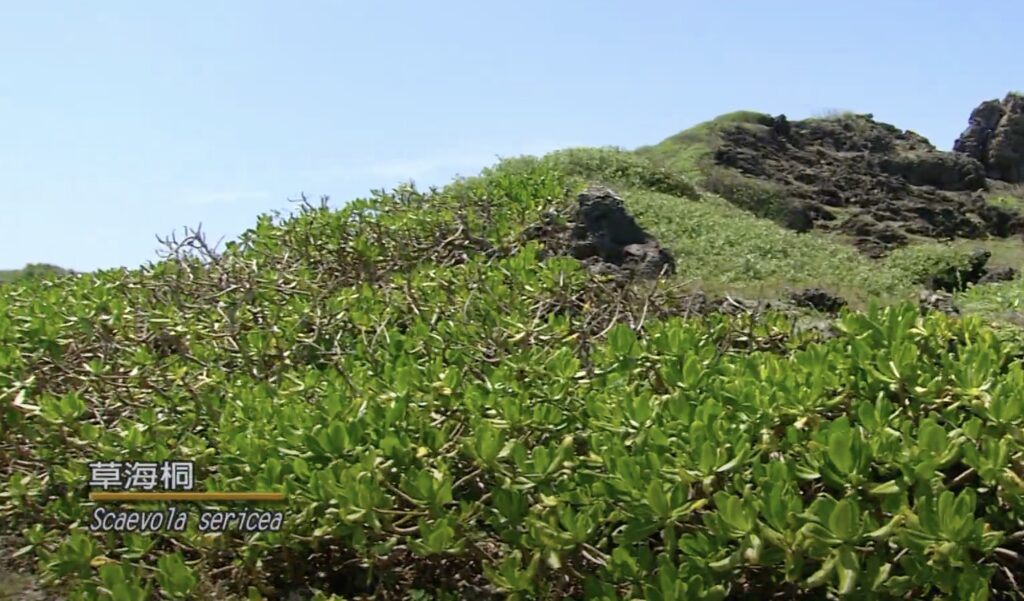
Scaevola sericea on coastal area of Longkeng
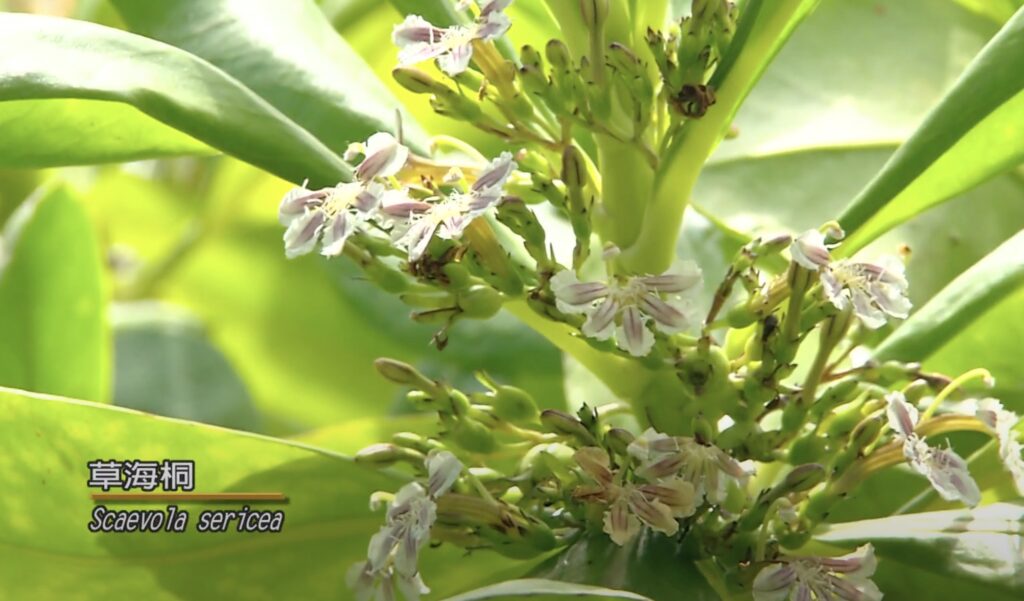
Scaevola sericea flowers
The shape of Scaevola flowers is very special. It looks like the flowers are only half open.
The plant, which is found right at the water’s edge is pemphis. This plant grows on coastal coral reefs and sustains strong winds and high salinity.
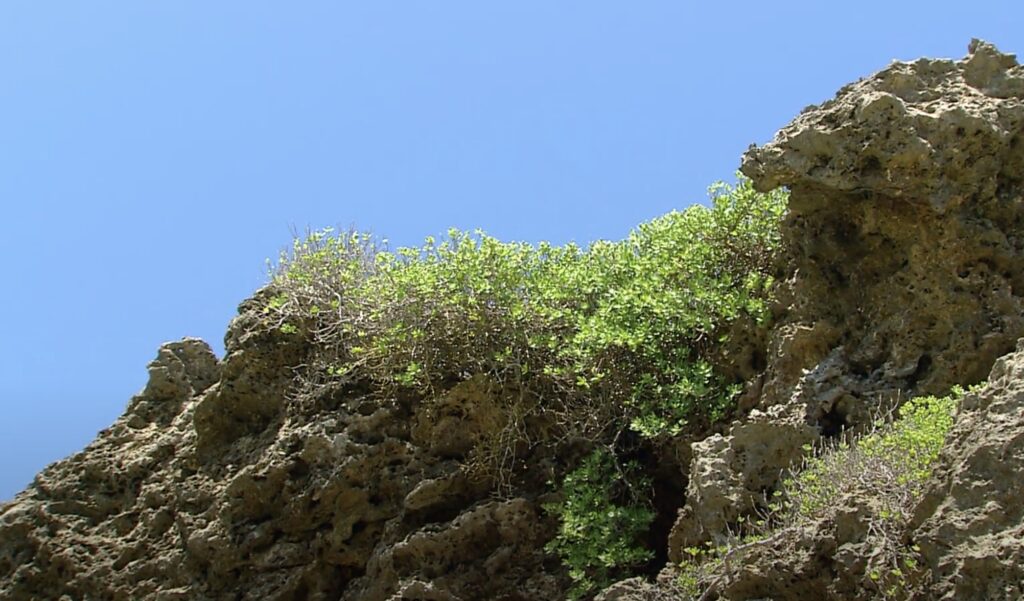
Reef Pemphis sometimes gets picked illegally since it is believed that it helps to prevent reumatism.
The roots spread out over the coral, creating this unique dwarfish bush, almost like a bonsai tree display created by nature evolves. This bonsai tree feature is another reason, besides the medical, why reef pemphis sometimes are brutally stolen even in protected areas of Kenting.
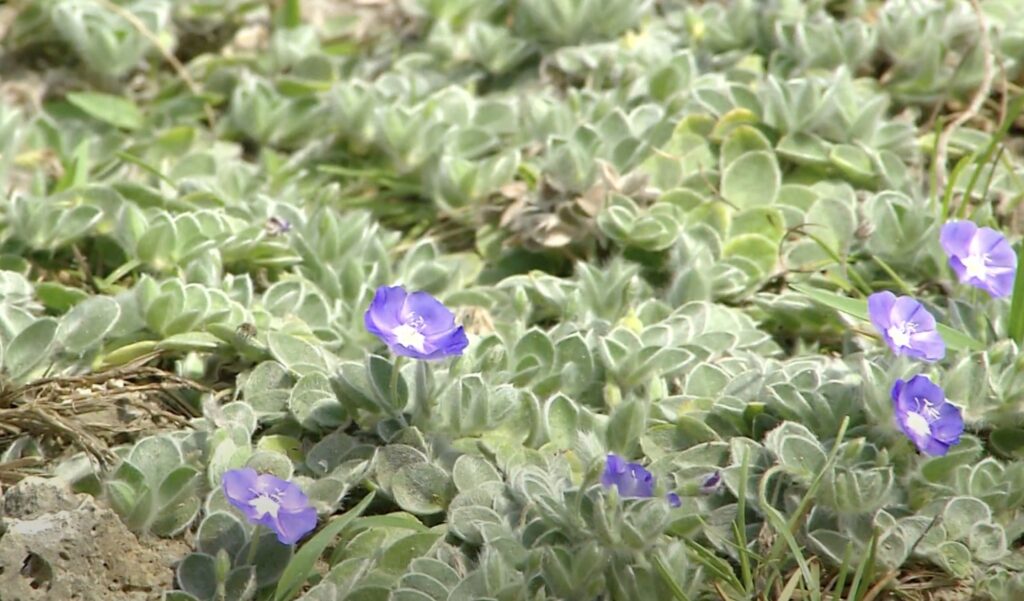
Evolvulus Alsinoides is another important resident in the coastal zone, which is able to survive in the harshest environments. Its small leaves are covered with tiny firs, which prevent water loss through evaporation and protect the plant from ultraviolet radiation.
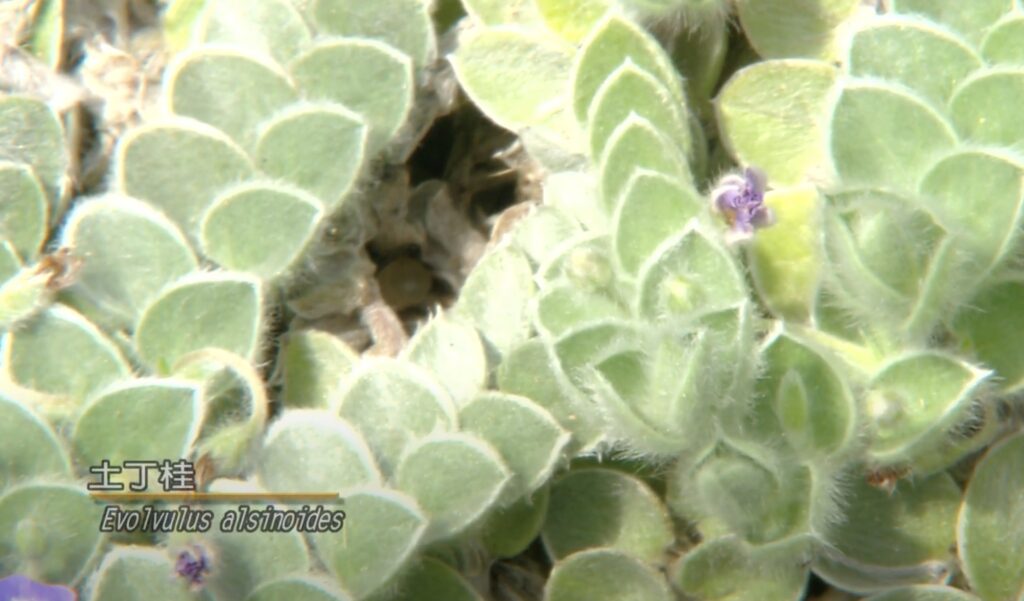
Evolvulus alsinoides in Longkeng
They grow horizontally along the ground, which prevents the plant from being blown apart by the violent sea winds, as we see in photo below:
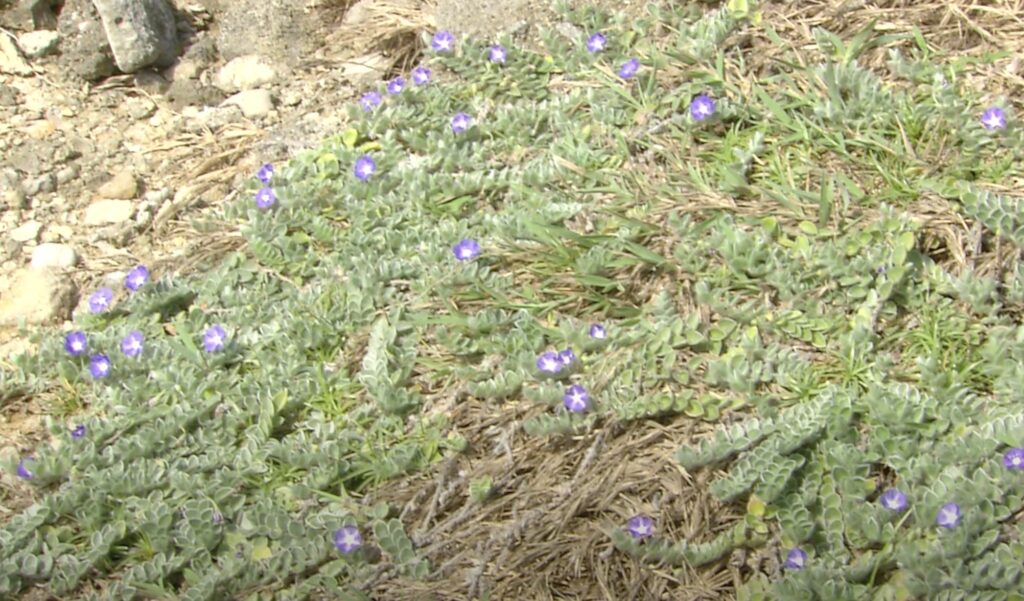
The tiny bell-like flowers are taller than the plant’s stem because this is the best way to attract insects for pollination.
At the end of the path, we come to a jagged coral reef plateau. A wooden trail has been built over the reef. If you go right along the trail, you will see to the Southern observation platform with the Pacific Ocean in front of you.
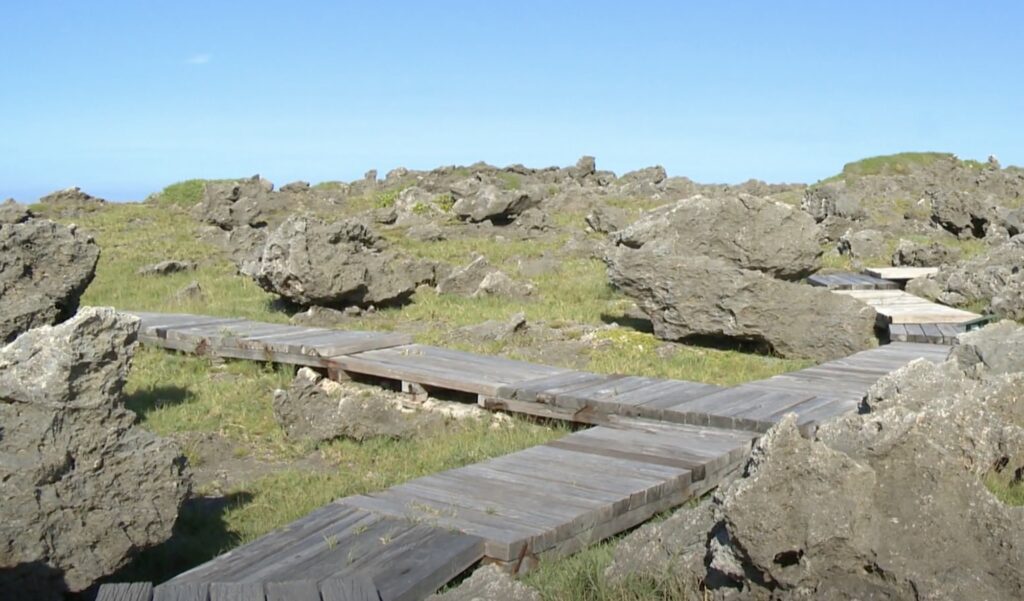
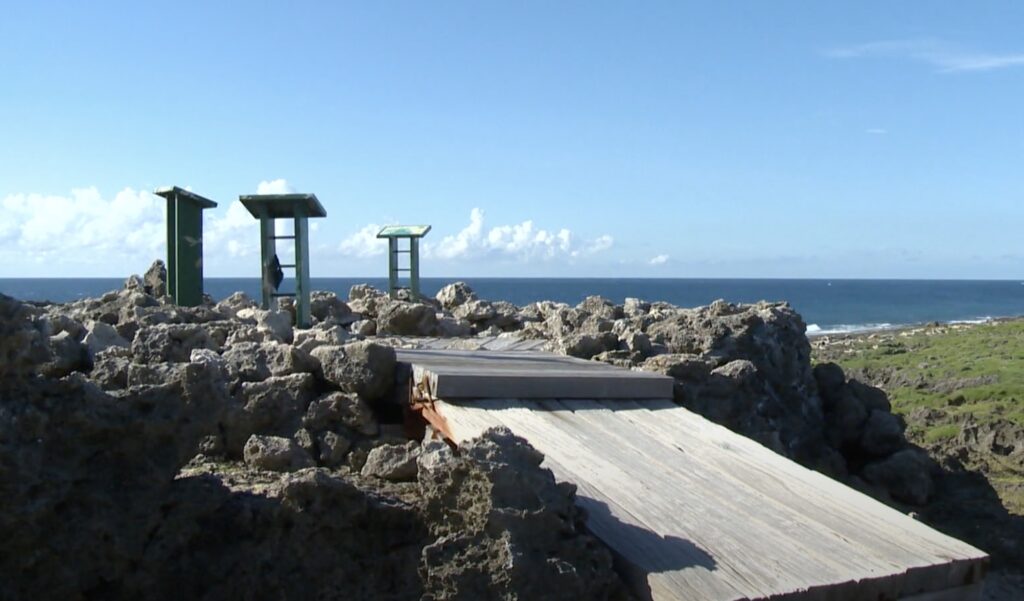
Southern observation platform in Longkeng
Along the wooden trail to the left end, there is the Northern Observation platform.
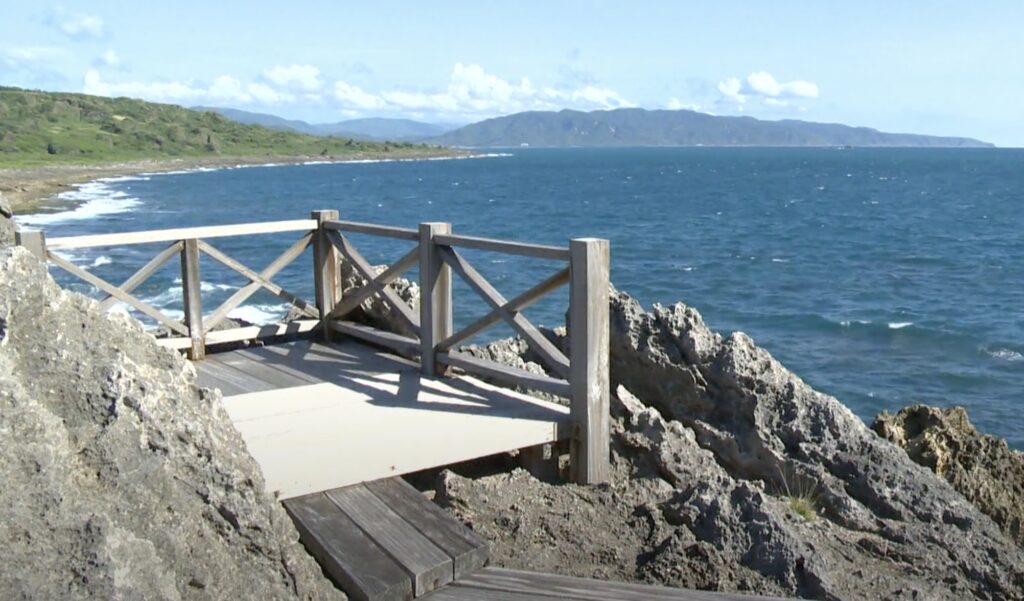
Northern Observation platform in Longkeng
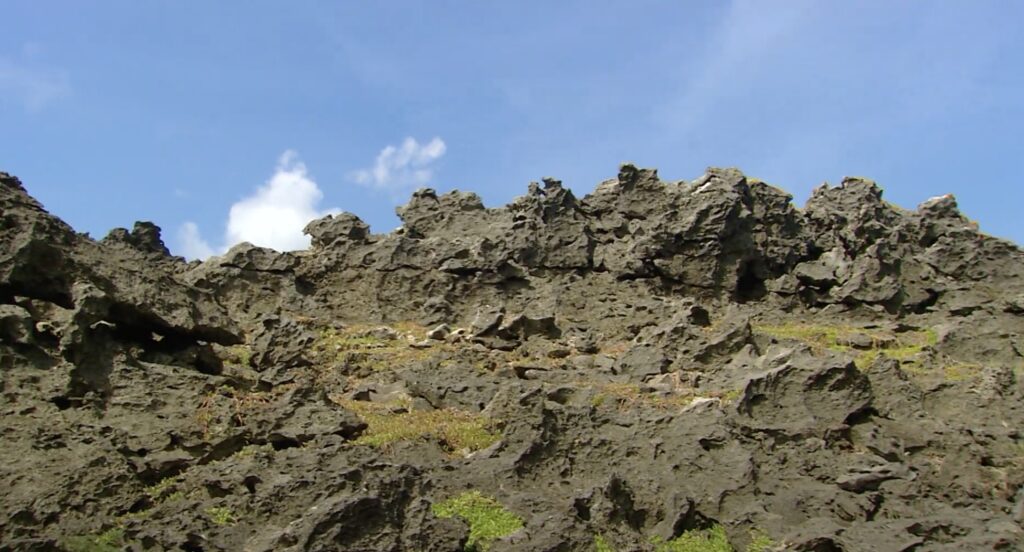
Lateral or horizontal fissures often occur. These fissures will divide the coral reefs into large pieces of rocks.
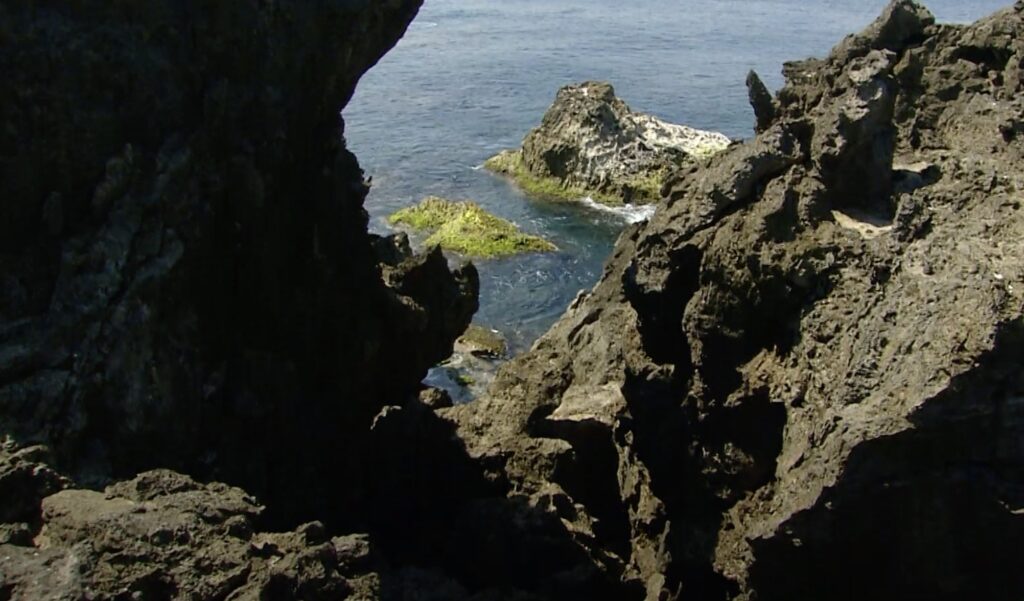
As rainwater seeps into the fissures, it gradually erodes the rock, breaking it into many separate lumps of limestone. At the same time, the underground water below the limestone rock, it’s constantly eroding the base of the rock as the continuing erosion by ocean waves. The base of the rock gets hollowed out, you can see this in the drawing below:
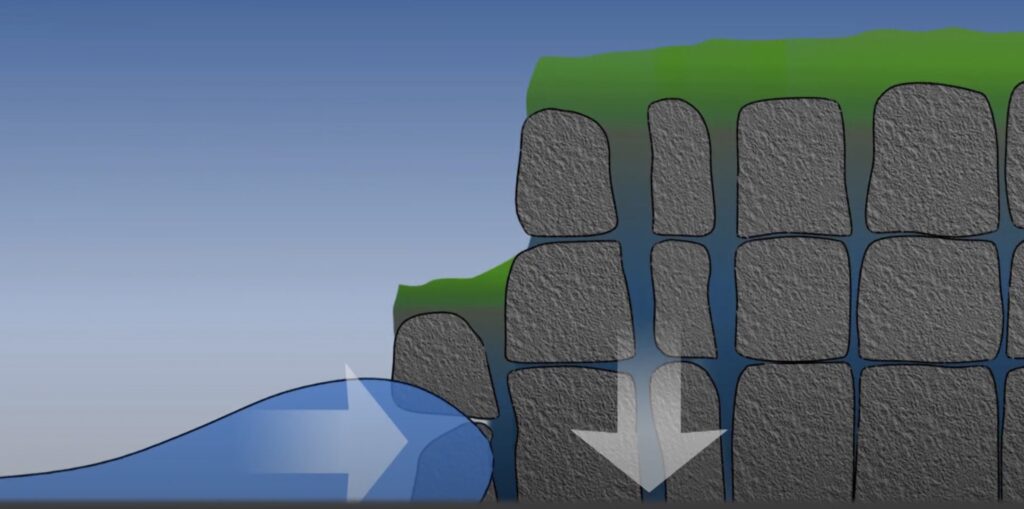
Also, gravity causes rocks to split open and send a mass of limestone fragments tumbling downwards, where the ground is being forced steadily upwards by tectonic forces tends to collapse downwards to the front, forming slumped cliffs.
The sunken gorge landforms were originally uplifted coral reef plateaus due to the combined impact of rainwater erosion and gravity.
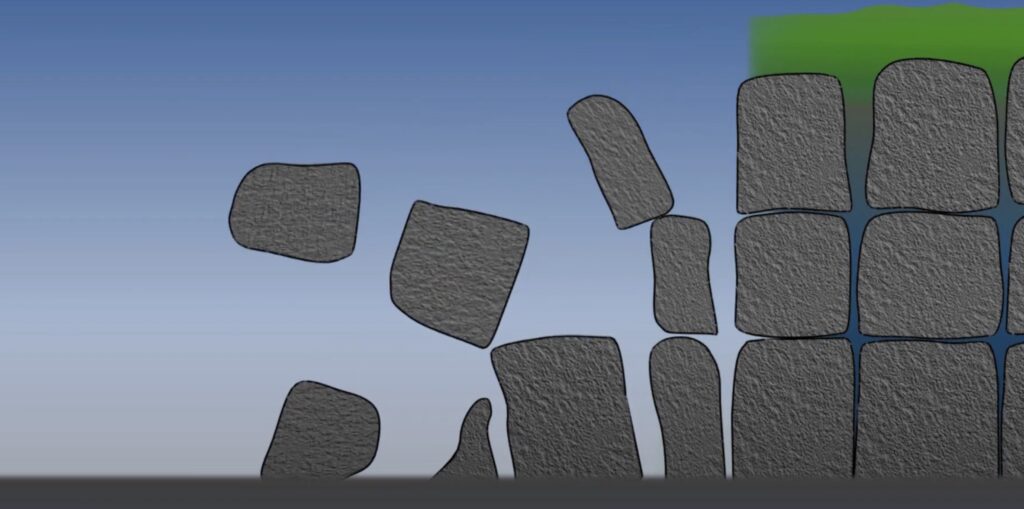
Limestone rocks collapsing due to the erosion
Speaker1: The sunken gorge landforms were originally uplifted coral reef plateaus due to the combined impact of rainwater erosion and gravity. The coral limestone gradually split apart. The steep cliffs and longitudinal fissures form a wild natural landscape.
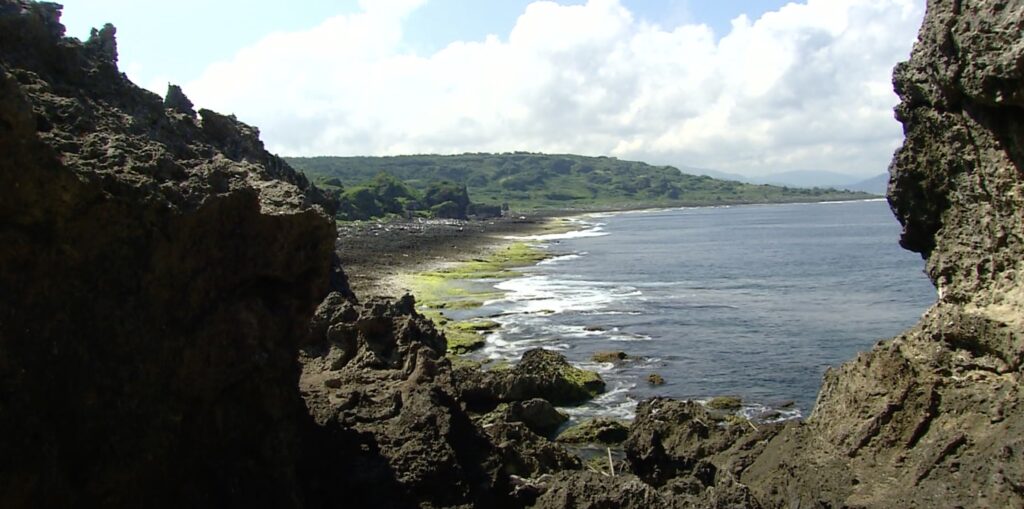
We see a similar landscape also in Frog Rock Trail coastal area.
Longkeng ecological protection area is one of the most precious parts of Kenting National Park. For this reason, visitors need to apply for the permits via Kenting National Park Administration website.
Before you enter the protection area, you have to watch a brief introduction video of Long at the Visitor Center. The number of visitors is limited to 200 per day.
The unique landforms of the Longkeng Ecological Protection area are part of nature’s masterpieces to protect this area.
Visitors need to follow certain rules when they come here. Please do not pick flowers or plants and do not disturb animals and birds. Watch your step when walking along footpaths or wooden trails.
While you are enjoying the beautiful natural scenery, remember the rule of taking nothing except photographs and leaving nothing except footprints. T
The existence of LongkengThe ecological protection area is a testimony to show how natural power shapes the earth, provided that there is no destruction from humankind. The dialogue between ocean waves and coral reefs should be able to continue into the far distant future.