
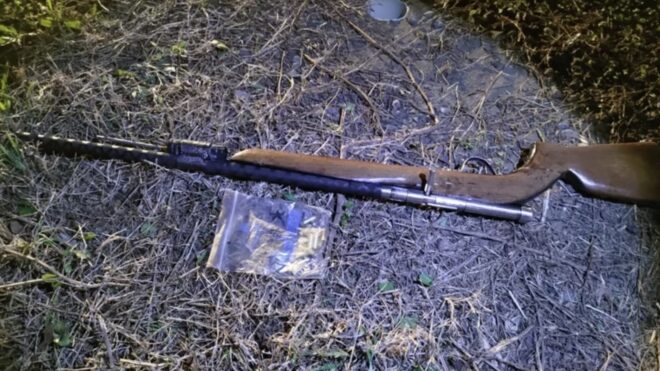
Thirty years after the establishment of the HouBiHu Marine Protected Area in Kenting National Park, the Formosan sika deer population has proliferated to nearly 2,000 individuals, marking a proud success story for conservation efforts. However, recent reports from residents hearing gunshots at night have raised concerns about possible poaching; while at the beginning of the year in Kenting’s Puding, a man from Manzhou Township was found with a hunting rifle and bullets in his car, no game was found.
The public is urged to actively report such incidents. As the Formosan sika deer is not classified as a protected species, fines for hunting them can only amount to NT$3,000 under the National Park Law. Conversely, some residents are reconsidering the situation, as the deer have caused agricultural damage and harmed the forest ecosystem, leading to a “deer disaster.” Some suggest that authorities should consider allowing hunting as proposed by scholars (as was done in Japan some time ago).
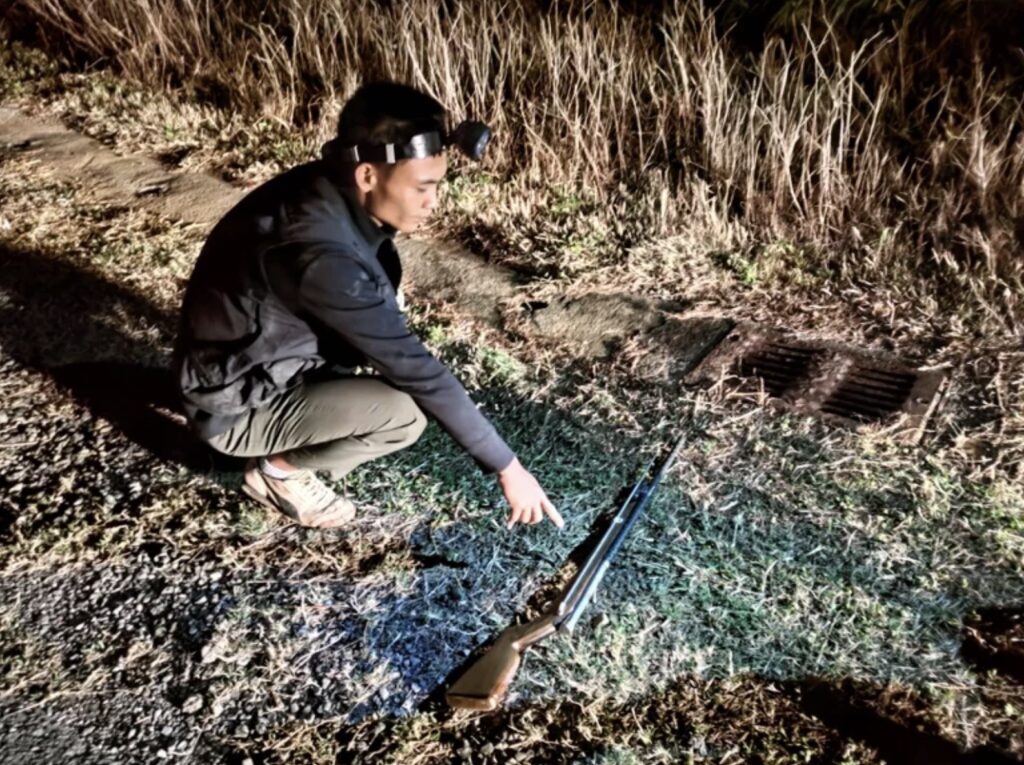
People in Kenting Puding and the nearby Longpan Grassland area, both part of the suburbs, have multiple groups of Formosan sika deer, and “Night Deer Watching” tours have brought significant tourism revenue to the area. In the past, it was common to find deer killed by dogs, and recently, gunshots have been heard at night. Last year, deer corpses were found, one beheaded and another with bullet holes, suggesting that poachers might be using the cover of darkness to hunt with rifles. The local leader, Xie Chunmin, mentioned that locals, disliking the taste of deer meat, do not hunt them, and he has not heard any gunshots himself, suspecting that if there were any, they would be from outsiders.
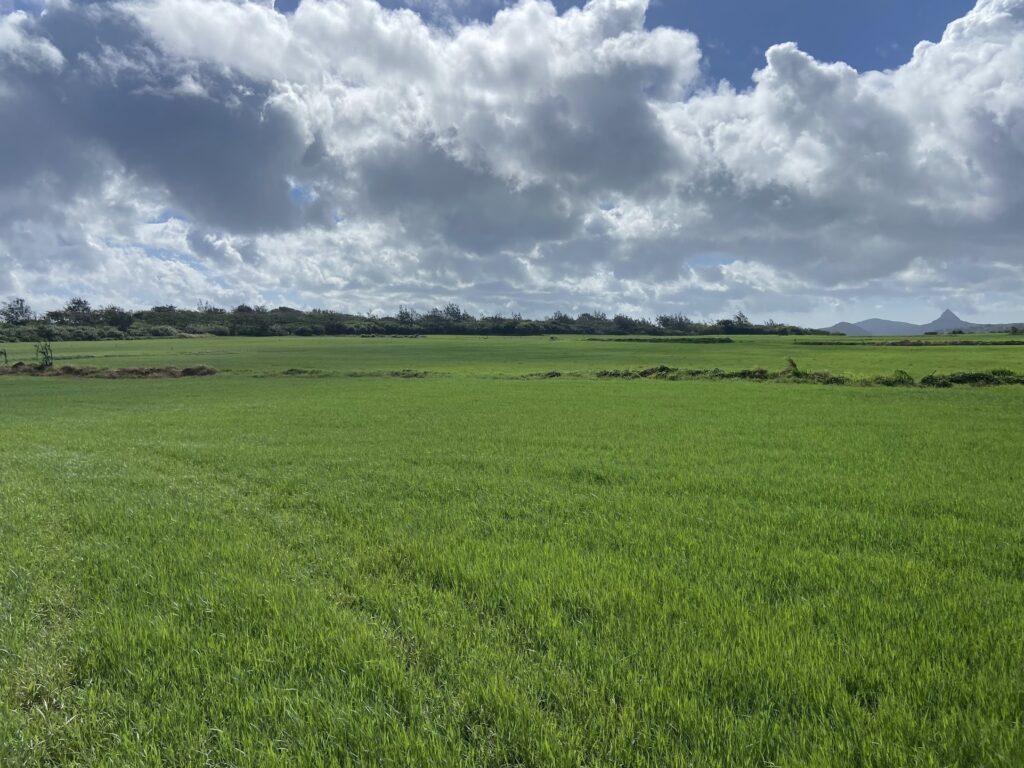
埔頂 Puding grassland
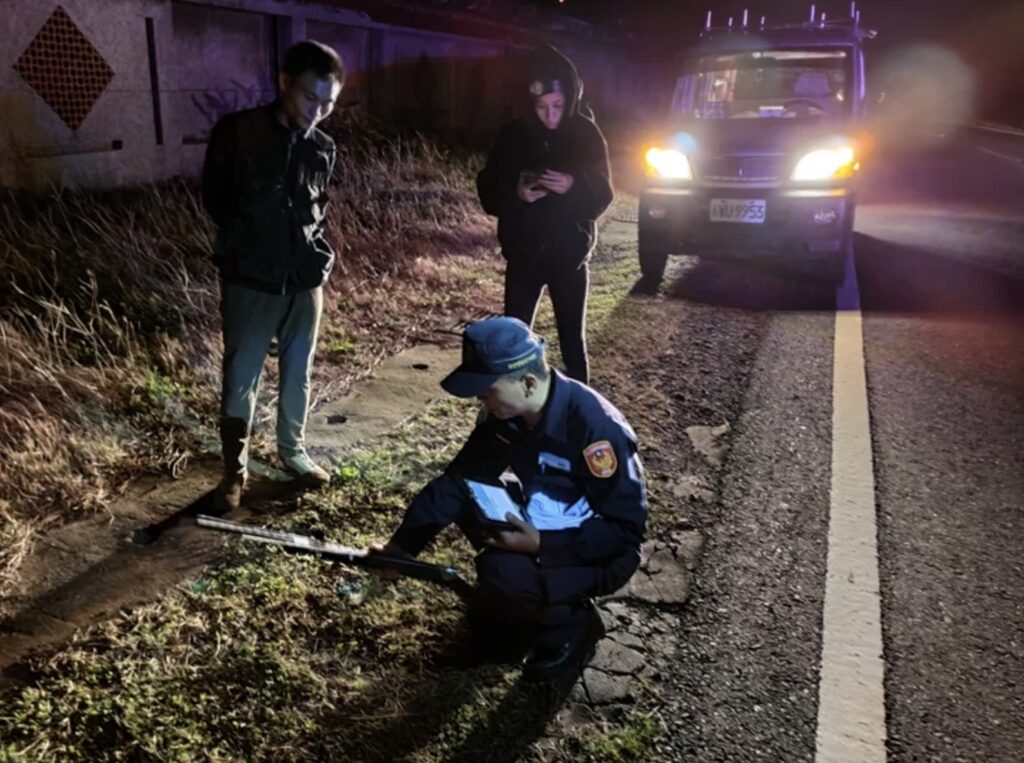
The Kenting Management Office highlighted that in cooperation with the 7th Brigade’s 8th Battalion, they conduct joint nighttime patrols. Early this year, a suspicious man from Manzhou Township was stopped at the Puding joint task force center, where an unregistered hunting rifle and several bullets were found in his car, but no hunted animals were inside.
Since this involved a violation of the firearms and ammunition control act, the case was handed over to the Hengchun police for investigation, though no evidence of the man hunting with the rifle was found. The 8th Battalion noted that a young wild deer was once found in a civilian’s car; since it was livestock and not a protected species, only a fine was imposed under the National Park Law.
The Management Office emphasized that if residents find a dead Formosan sika deer and remove its skull or other bones, while not illegal, they still hope that natural artifacts will remain in the area and not be removed arbitrarily. Although Formosan sika deer are legally classified as livestock and not as a protected wild species, hunting wildlife within the national park violates Article 13 of the National Park Law, which prohibits hunting animals or catching fish, with fines up to NT$3,000 for violations.

Formosan Sika Deer
Some residents have noted that Taiwan’s Formosan sika deer, once extinct in the wild due to overhunting, were reintroduced in Kenting in 1984, and their numbers have now grown to nearly two thousand. However, in recent years, they have caused agricultural damage and harmed the forest ecosystem, leading to complaints of a “deer disaster” and “out-of-control rehabilitation,” overshadowing the success of endangered animal rehabilitation and the applause for boosting tourism.
Scholars suggest opening up hunting as an option, which the Management Office says is not suitable for Taiwan’s national conditions. They continue to review and adjust the SOP for management strategies to address public grievances and ecological crises.