

Kenting is home to Taiwan’s first prosperous park for Formosan sika deer, with adorable animals living freely there.
Although the deer roam freely in the wild, the residents are not thrilled about it. More and more accidents are happening with resident drivers colliding with deer, with one of the last ones lethal for the resident and the deer.
There is a significant gathering of approximately 1,500 to 2,000 Formosan sika deer in Kenting’s wild areas, showcasing the successful outcome of 30 years of conservation efforts.
The park was established in 1994 with only ten deer, and their population naturally increased over time. 2009 there were 233 deer, and by 2018, the number had approached 1,500.

Graph above shows sika deer population growth in kenting in last 30 years
In 2021, the highest concentration of deer, estimated to be over 2,061, was observed in the central and southern parts of Kenting. It is believed that there are thousands of deer in total.
Beyond that, the population decreases as we move north of Provincial Highway 200, and Longtan has a relatively minor number of deer. Nevertheless, people still consider it a common sight.

Nowadays in the the wild, they actually have fewer natural predators, and the uneven distribution of Formosan sika deer populations is a result of the intermingling of human-developed environments with natural habitats. This situation leads to an imbalance that exceeds the carrying capacity of the environment.
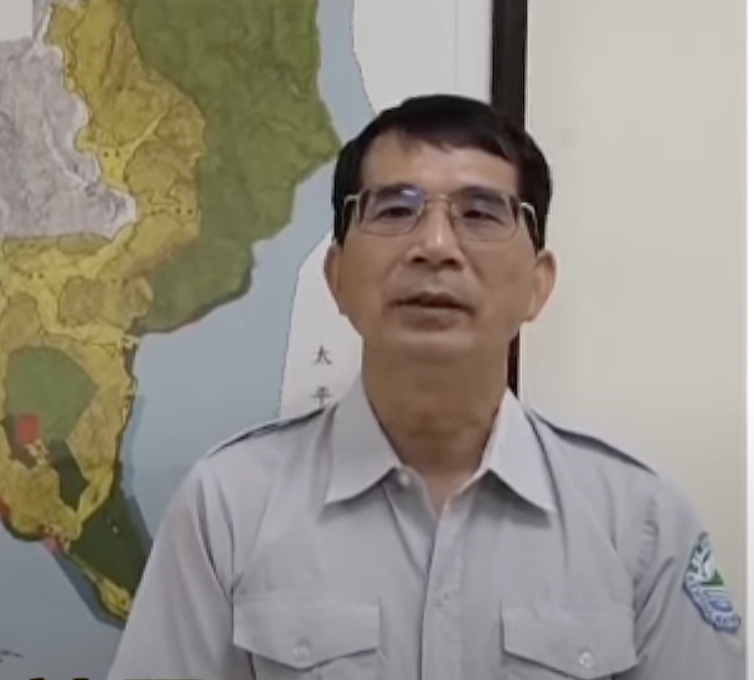
Hsu Shu-guo, Deputy Director of the Kenting National Park Administration
When they disperse away from populated areas, conflicts arise. Apart from causing ecological damage, they threaten agriculture and even venture onto roads, endangering traffic.
The Transportation Management Office provides subsidies at the beginning of each season to mitigate losses, with a proposed expansion of eligible recipients. County and city governments are also considering the opening of general recreational farms in addition to this.
According to expert assessments, the ideal population range for Formosan sika deer is between 5,000 and 10,000 individuals.
Therefore, the current population of 2,000 is actually not considered very high, and our efforts are insufficient. Some experts question if we have any means to find a more suitable and abundant habitat for the survival of Formosan sika deer. This requires cross-disciplinary thinking and exploration.

Firstly, the population of Formosan sika deer is not yet stable and at a healthy level, so it is causing an impact on the local area. Before finding comprehensive solutions, we can only address individual issues gradually, such as one of the most recent actions of fences being installed near the roads, where deers have the biggest chance to cross the road.
Currently, we know that they have no natural predators in the wild, and their adaptability is very strong, which has led to a rapid increase in their population, causing ecological impacts. Some people suggest finding suitable habitats for them, but the methods of managing livestock are different.
They propose using vaccination and sterilization to control the population. However, scholars have pointed out that the cost of using sterilization vaccines is high and not cost-effective. Sterilization can only slow down the spread of Formosan sika deer, and if their numbers become uncontrollable, we may end up resorting to culling them, following in the footsteps of what happened in Japan.

Groups of wild Formosan sika deer are waiting on the mountain slopes for tourists
Groups of wild deer are waiting on the mountain slopes in Kenting for tourists.
In 2013, genetic testing confirmed that these are purebred Formosan sika deer. They have become a popular tourist attraction and represent one of the few remaining habitats for wild Formosan sika deer in Taiwan.
They can also be found on Green Island, where they were initially introduced and raised for a specific industry.
At its peak, the population exceeded 2,000, but due to a decline in the value of deer antlers, the population decreased. However, the numbers have increased in various regions where they have thrived, thanks to the Formosan sika deer’s excellent adaptability.
Approximately 50 to 60 percent of the adaptable species have the ability to reproduce, with nearly 60 percent of females giving birth. With such high reproductive capabilities, it is indeed significant.

To prevent encroachment on crop protection areas, fences of at least two meters high are needed to be effective.
Vaccination and sterilization methods are costly and challenging to implement on wild animals.
Finally, scholars reluctantly admit that if necessary, the only option left is to follow Japan’s hunting approach and turn Formosan sika deer into economic animals. However, this approach faces difficulties in execution within national parks.
In Hokkaido, there is also an overpopulation of Formosan sika deer, and their natural predator, the wolf, is no longer present.
Therefore, in Japan’s Hokkaido region, the method used to control Formosan sika deer is culling. They cull around 400,000 deer per year. Culling is considered the most effective way to reduce the population of Formosan sika deer.
The last Formosan sika deer in Taiwan became extinct in 1969. The ones we see now are all results of artificial conservation efforts. However, their habitats overlap significantly with human activities. There have been cases of deer biting humans, but efforts are being made to coexist harmoniously.