
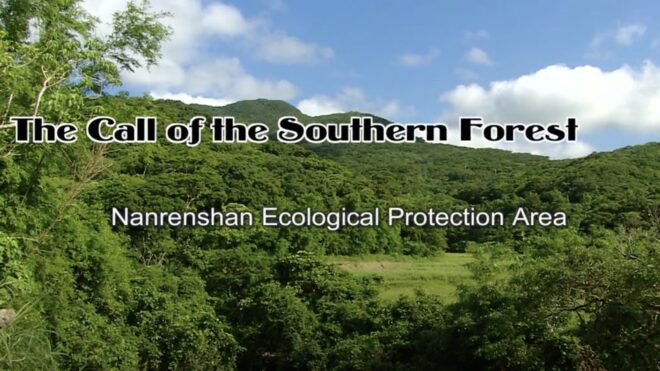
Ringed by hills and surrounded by verdant greenery. This is the beautiful, mysterious Nanren Lake, which the Michelin Green Guide to Taiwan rates as a three-star must-see destination. So just, what is so special about this area? And what kind of ecological treasure house is in Kenting’s Nanrenshan ecological protection area? Let us go on a journey of discovery together through this unspoiled natural forest with its wealth of ecological wonders.
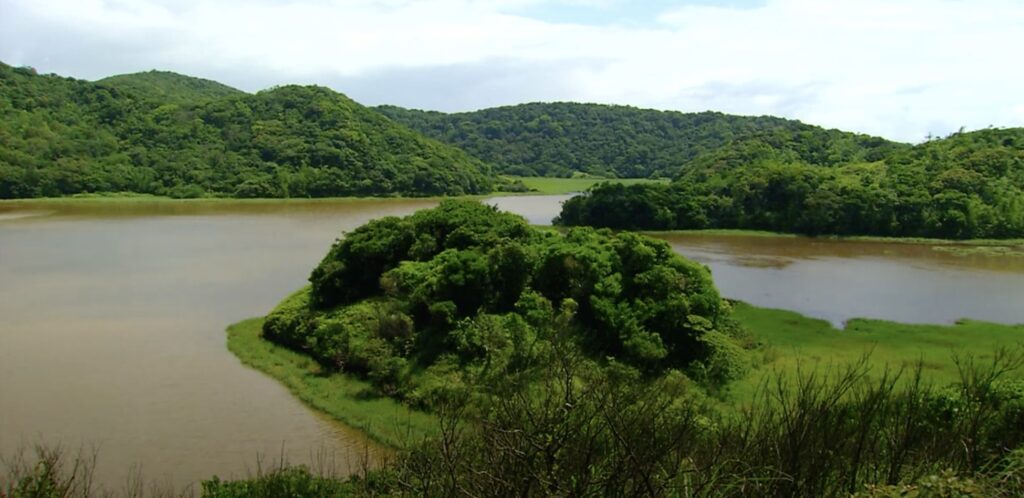
Ringed by hills and surrounded by verdant greenery!
The Nanrenshan Hills are located in the northeastern part of Kenting National Park, bounded by the Pacific Ocean to the east and by the Gangkou River to the west and south. The Northern Shan Ecological Protection area is more than 5000 hectares and it is the only surviving area of protected low elevation primary forest in Taiwan. In this area there are over 1200 species of native vascular plants, representing around one third of all vascular plant species found in Taiwan.
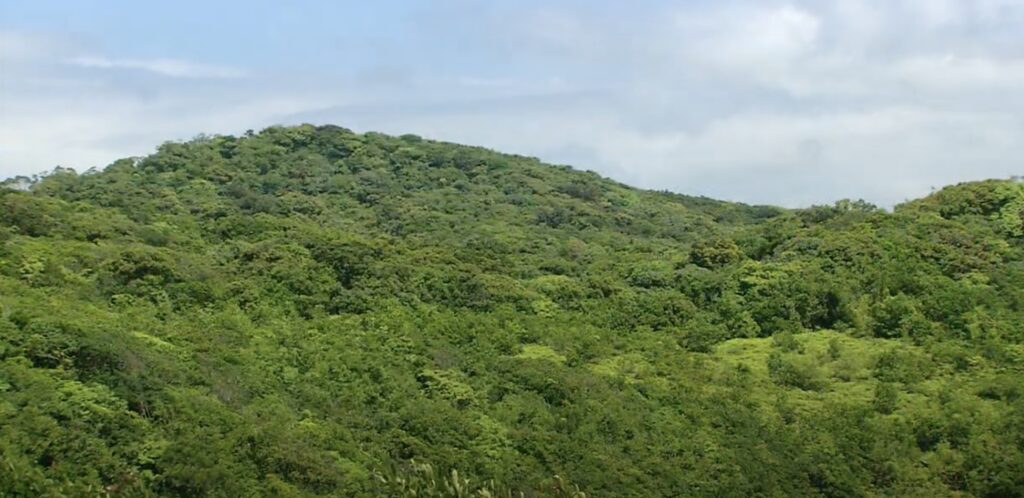
Low elevetation forest in Nanrenshan
This ecological richness is the reason why the area has been designated an ecological protection area within Kenting National Park. Kenting National Park contains some of Taiwan’s most important ecological, historical and cultural assets.
Kenting National Park contains some of Taiwan’s most important ecological, historical, and cultural assets. Nanrenshan Ecological Protection area is arguably the finest of these Nanrenshan’s unique topography and priceless ecological resources have made it an important site for scientific research.
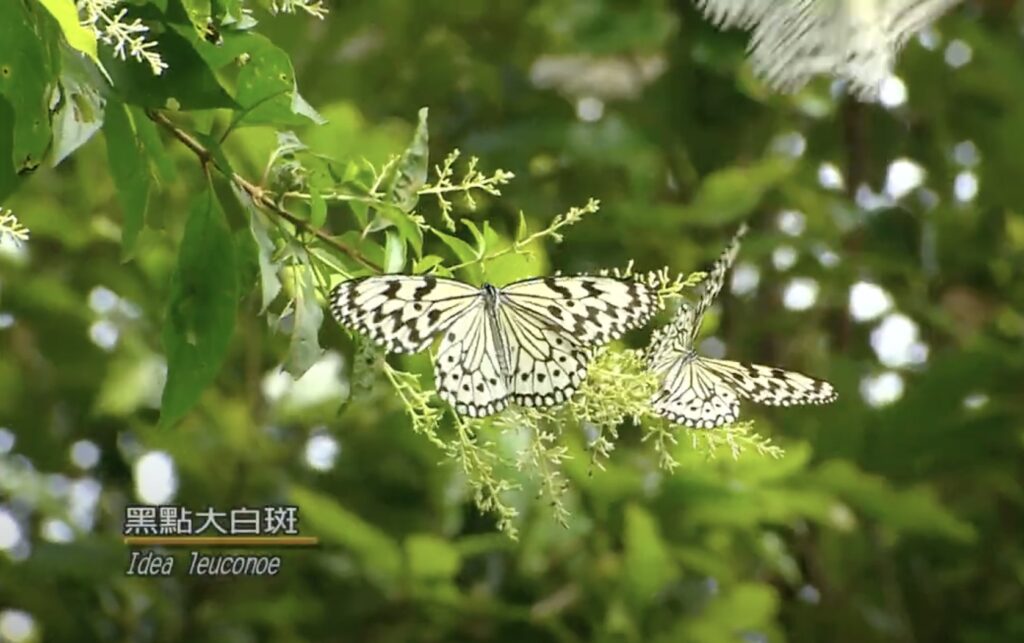
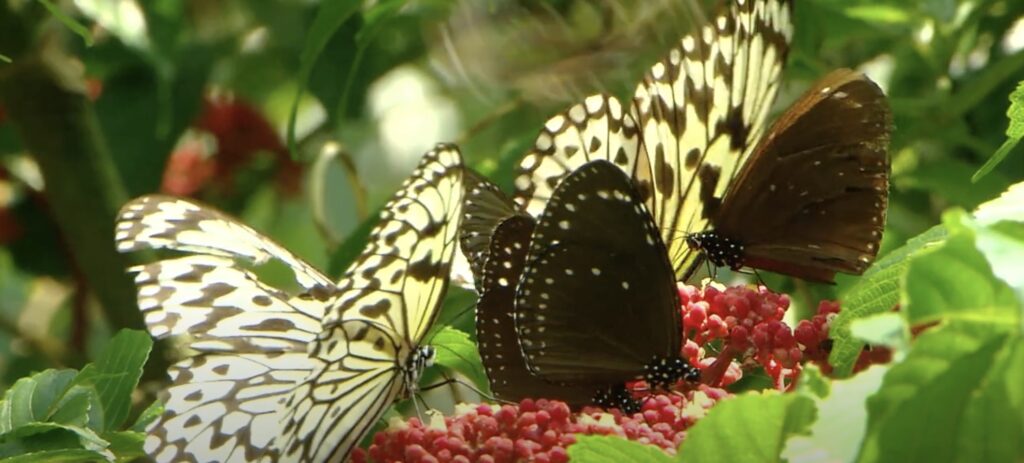
Idea leuconoe butterflies in Nanrenshan
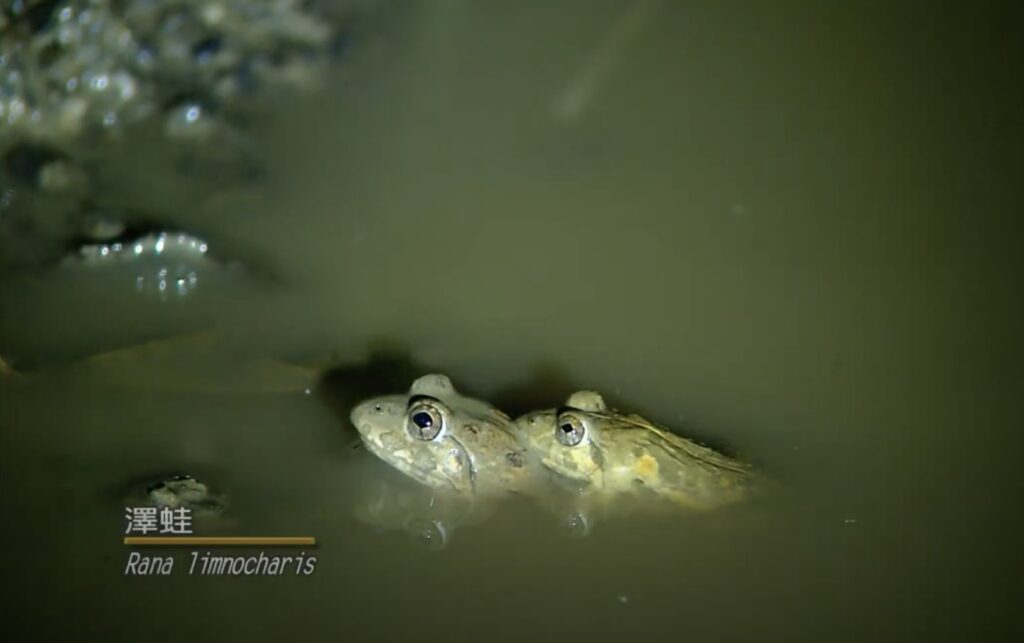
Rana Limnocharis in Nanrenshan Park
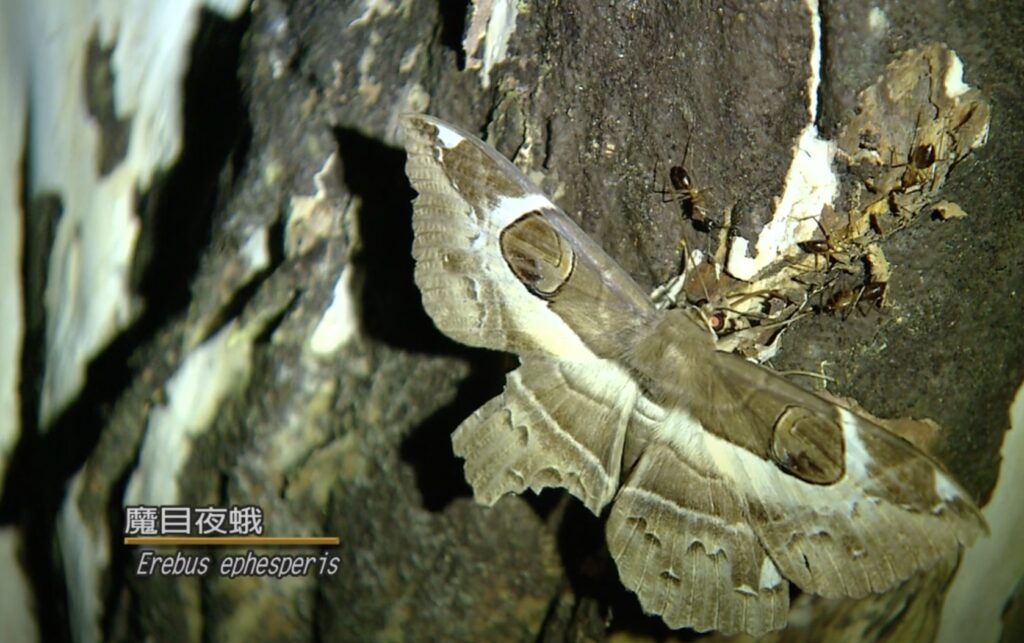
Erebus ephesperis in Nanrenshan
Many scientists and researchers have undertaken long-term ecological research here. Although the highest part of the Nanrenshan ecological protection area is only slightly over 500m above sea level, it exhibits a broad diversity of flora and fauna.
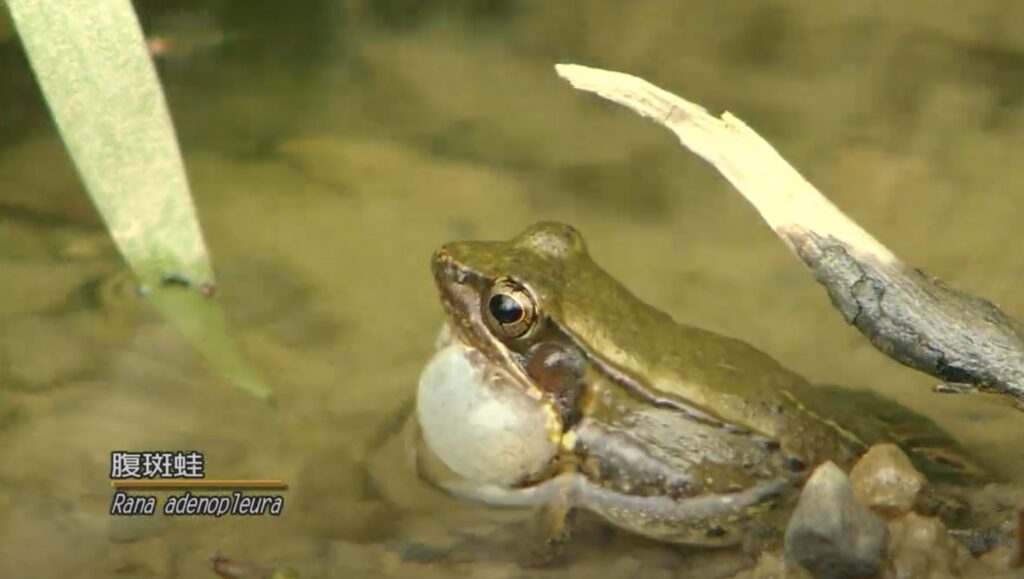
Rana adenopleura in Nanrenshan
This diversity is related to the varied topography of the area, which includes hills, gorges, marshes, streams, hill slopes, grasslands and Nanren Lake as well. The complex topography creates the conditions needed for many different kinds of plant species to grow and thrive.
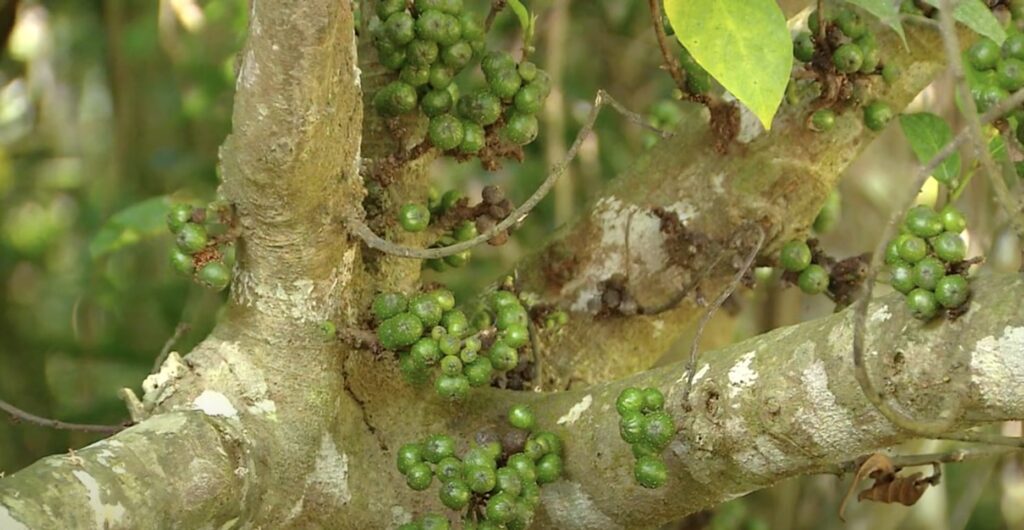
Cauliphlory phenomenon – means flowers and fruits are borne directly on the stems.
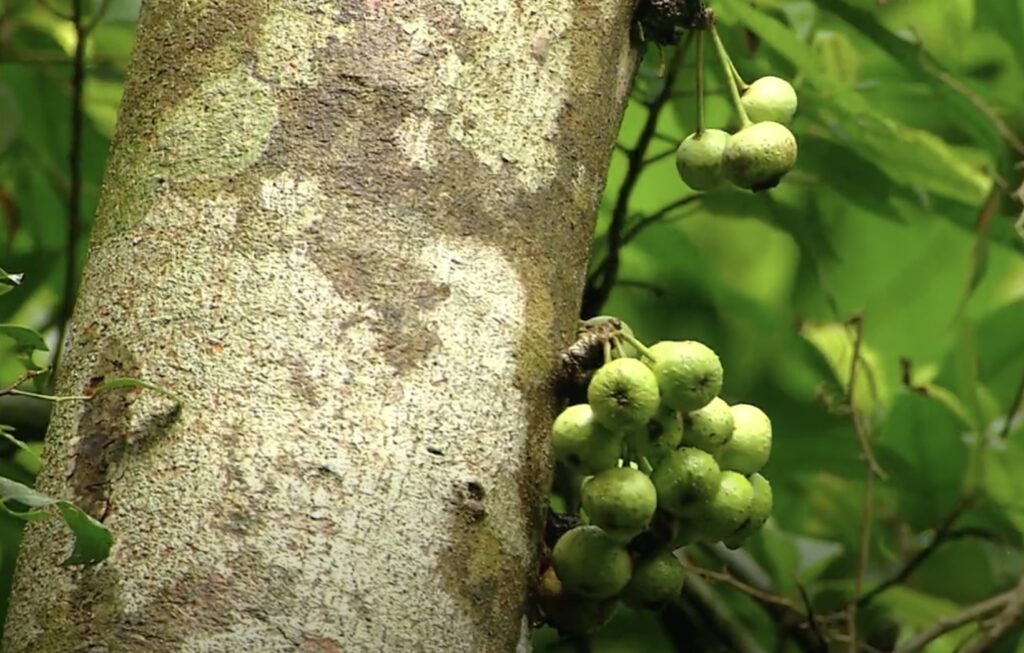
These fruits are important food for various animals and birds in the Nanrenshan park. Sometimes fig tree fruits from from the trees, and once it is getting rotten, there is a slightly rotten scent which attracts butterflies and beetles to come and eat them.
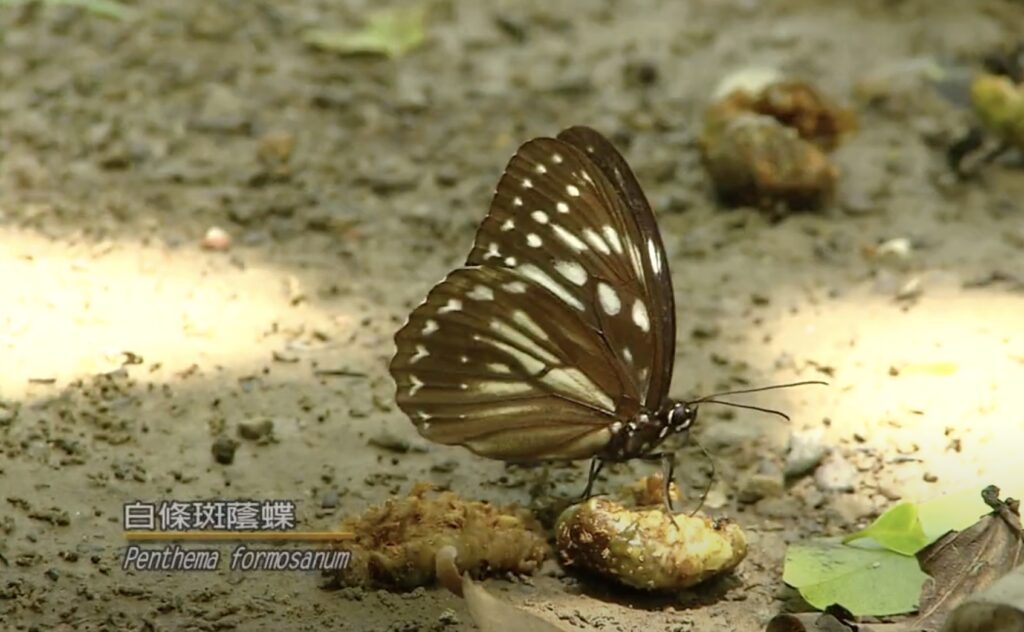
Penthem formosanum in Nanrenshan
Most people thought that butterflies could only drink nectar. Actually, butterflies consume a wide variety of different types of food.
Some butterfly species, such as the swallowtail butterflies, drink nectar, so they must find plants that secrete nectar.
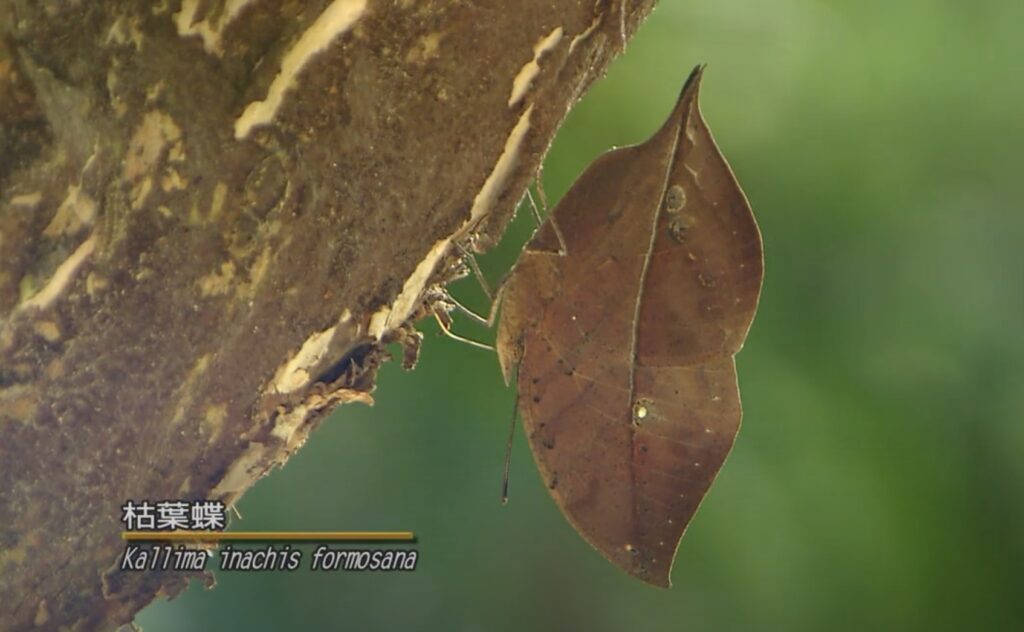
Kalima inachis formosana in Nanrenshan
While most of the brush-footed butterflies, including the famous oak leaf butterflies, subsist on tree sap and the juice of rotten fruit. And, therefore, this is an ideal place for observing oak leaf butterflies.
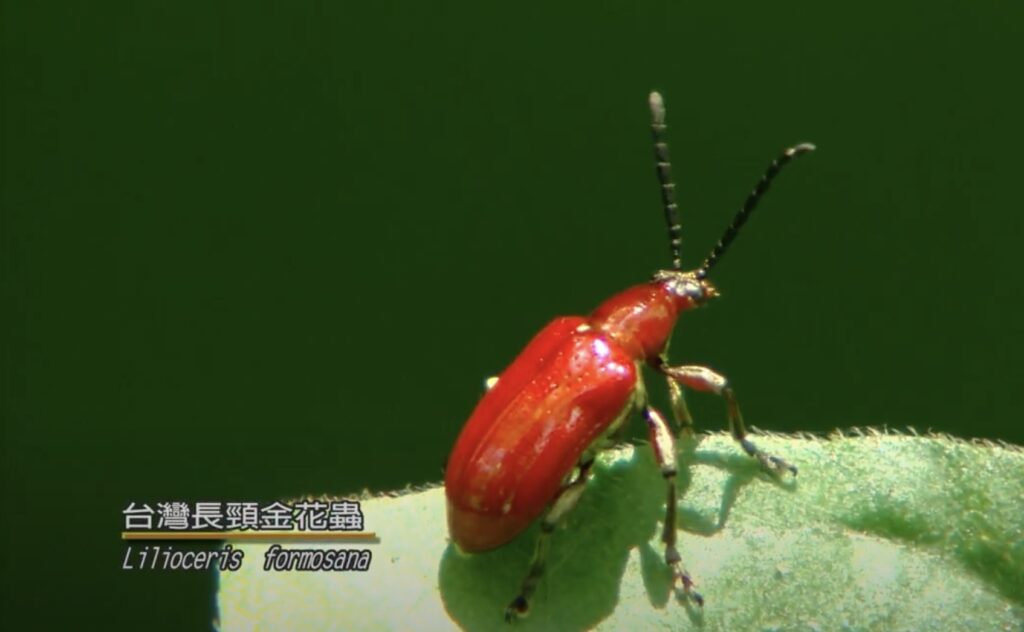
Lilioceris formosana in Nanrenshan
Besides the butterflies, myriads of insect species show impressive biodiversity and Nanrenshan ecological protection area. However, most of these insect species like to hide themselves in the environment.
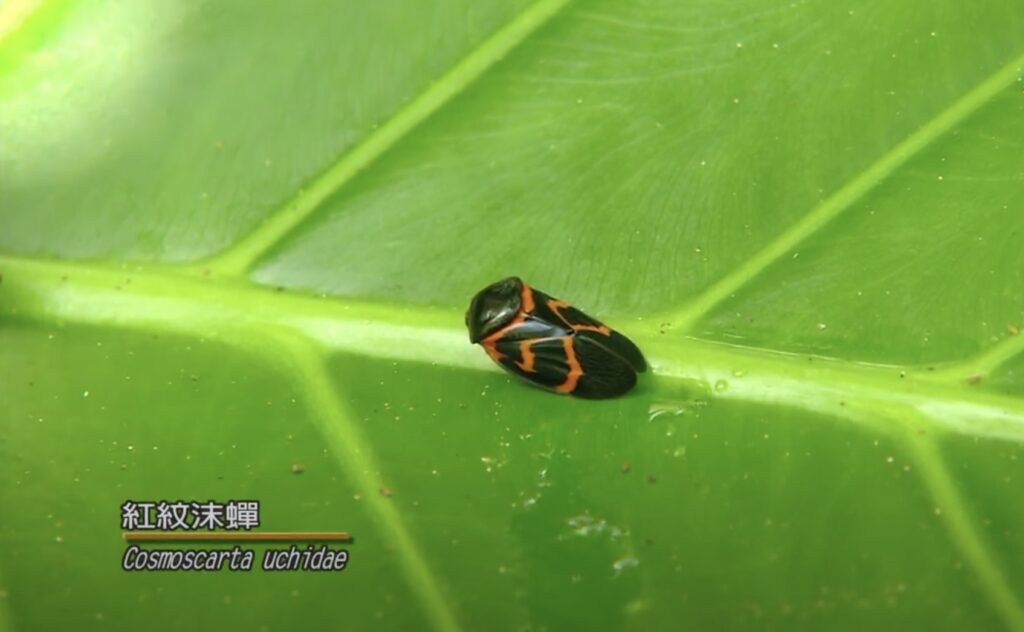
Cosmoscarta uchidae in Nanreshan
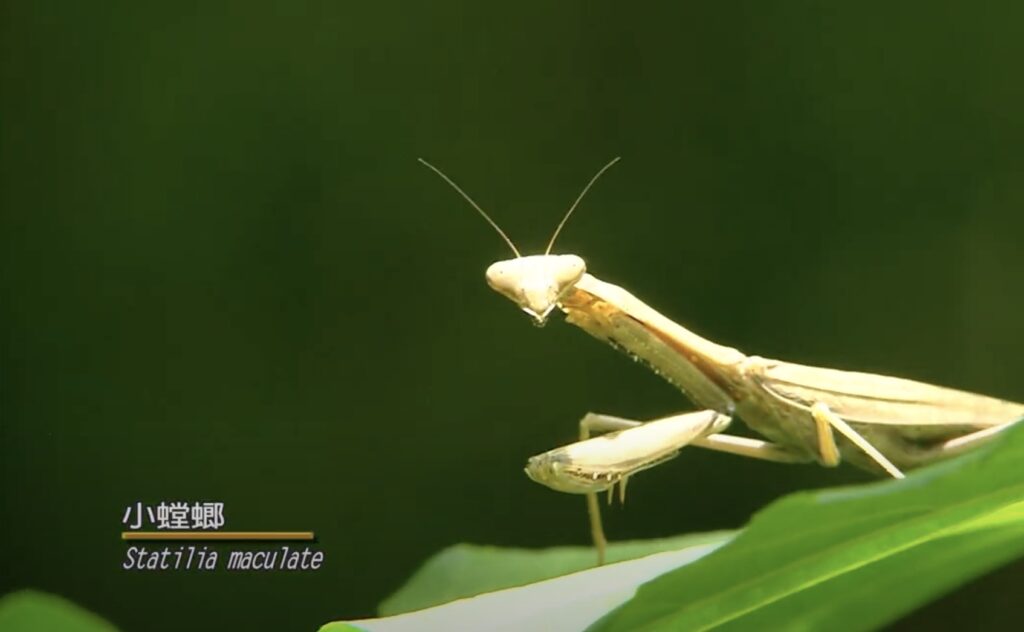
Statilia maculate in Nanrenshan
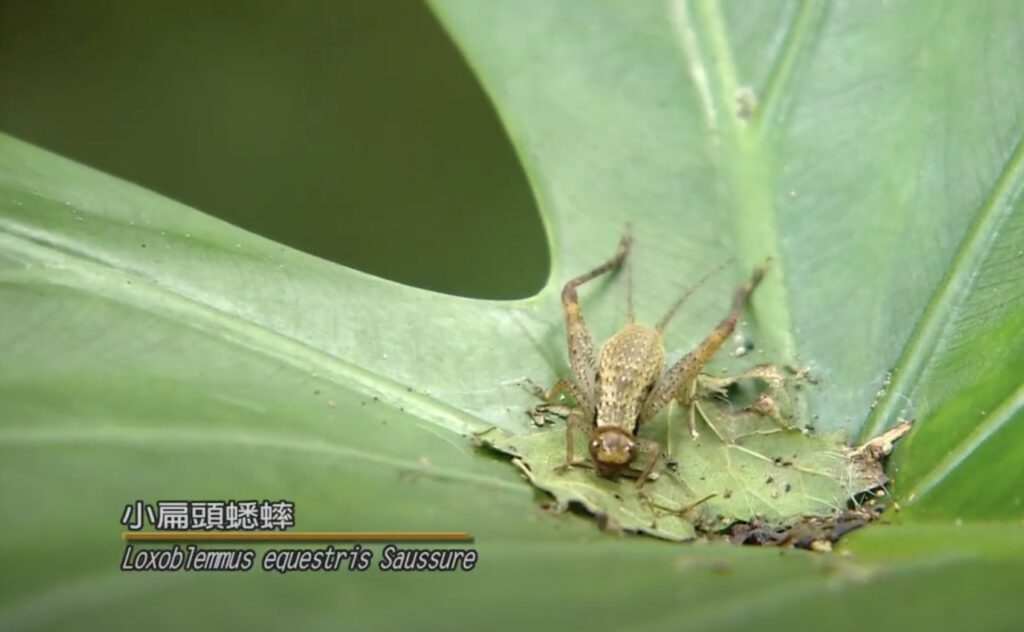
Loxoblemus equestris saussure in Nanrenshan
Most of them have their own unique behavioral traits. To observe them, you need to stay very quiet and be very careful not to alarm them.
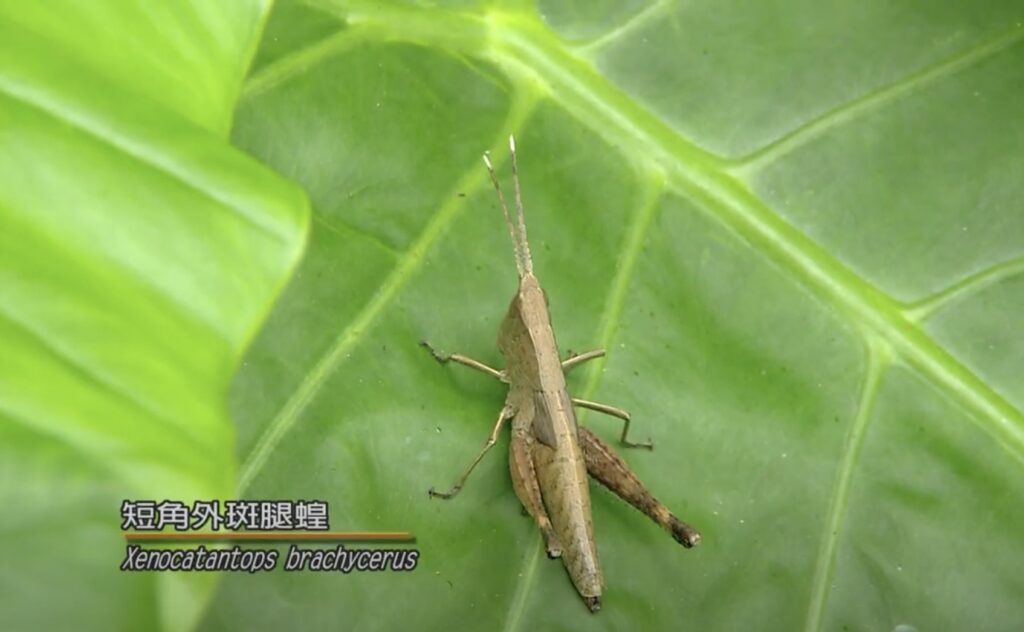
Xenotantops brachycerus in Nanrenshan
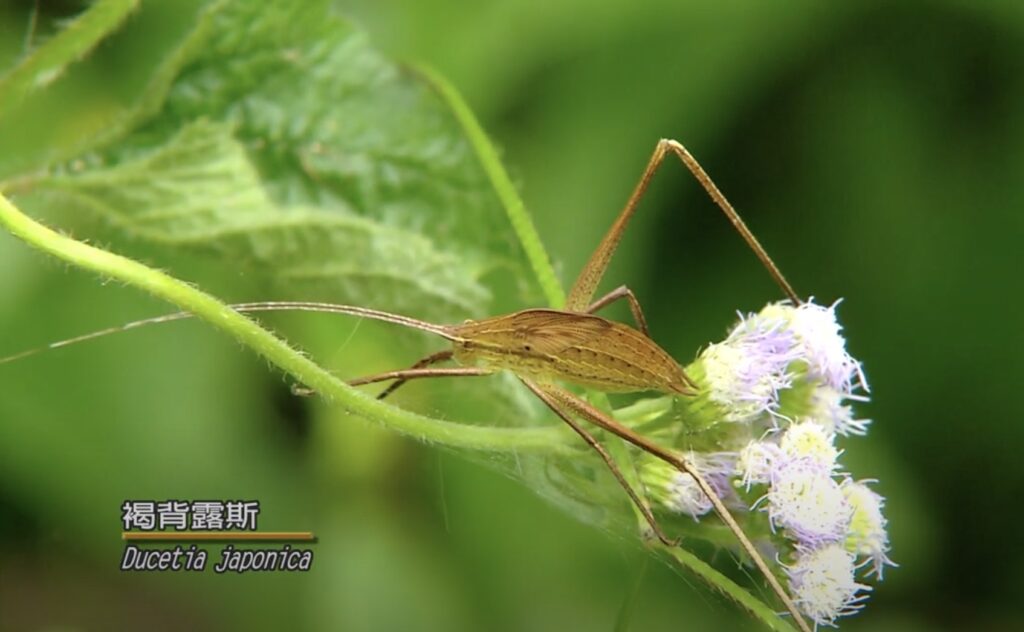
Ducetia Japonica in Nanrenshan
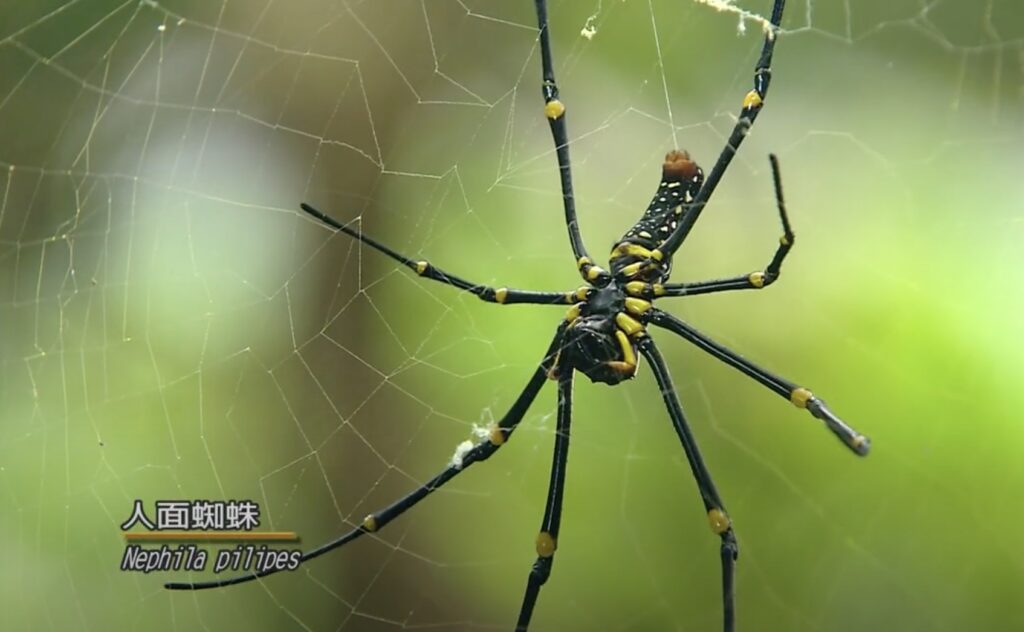
Nephila pilipes in Nanrenshan
These different types of insects make Nanrenshan forest full of vitality and vigor. Strangling plants are one of the best-known phenomena in the tropical rainforest.
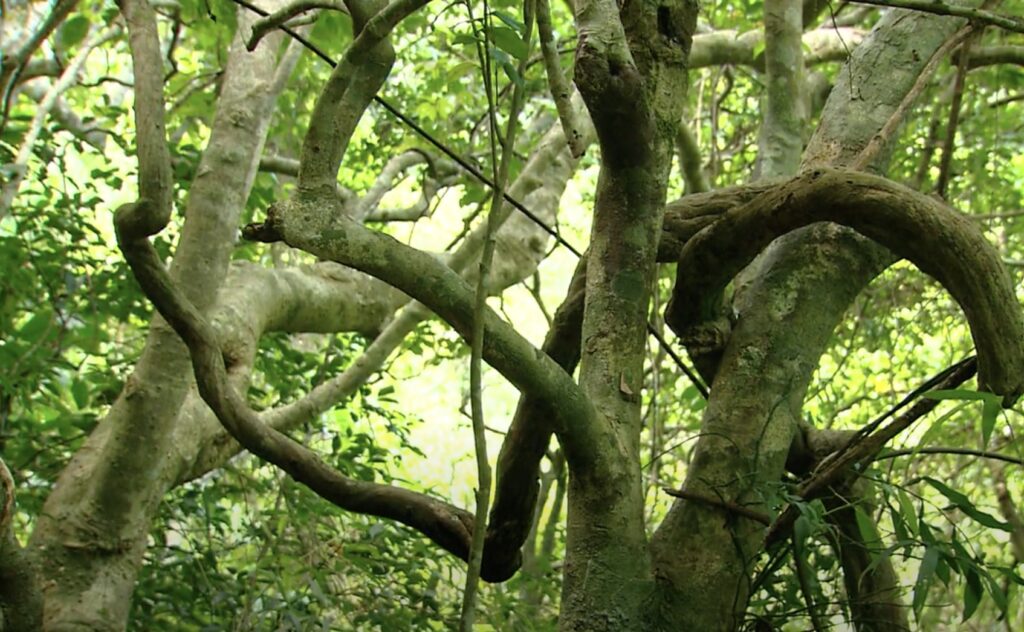
Strangling Plants in Nanrenshan Forest
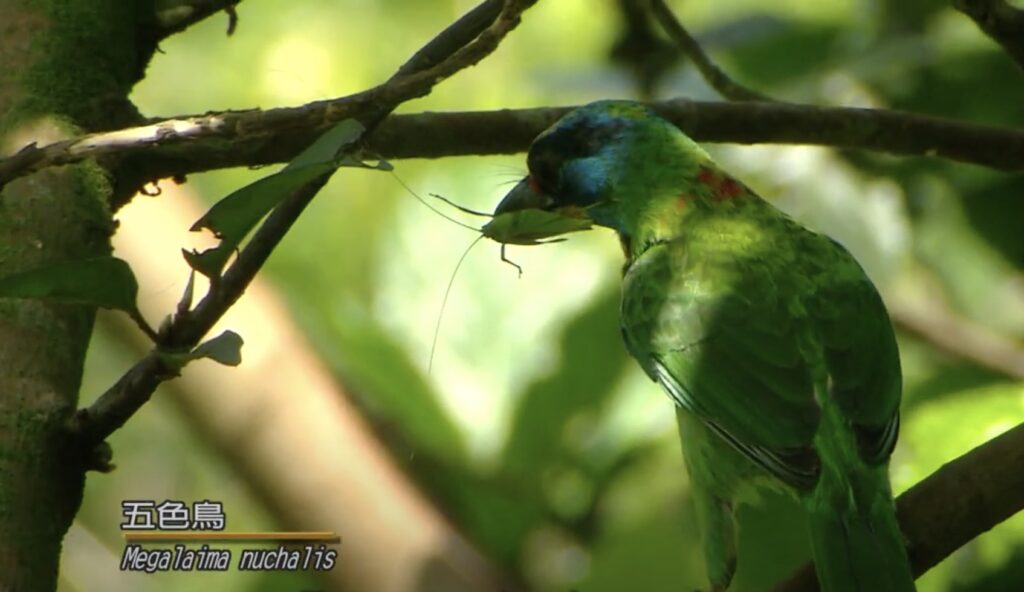
Megalaima Nuchalis in Nanrenshan
As this area is tropical monsoon rainforest. The humidity is very high, making it an ideal habitat for mollusks in Nanreanshan.
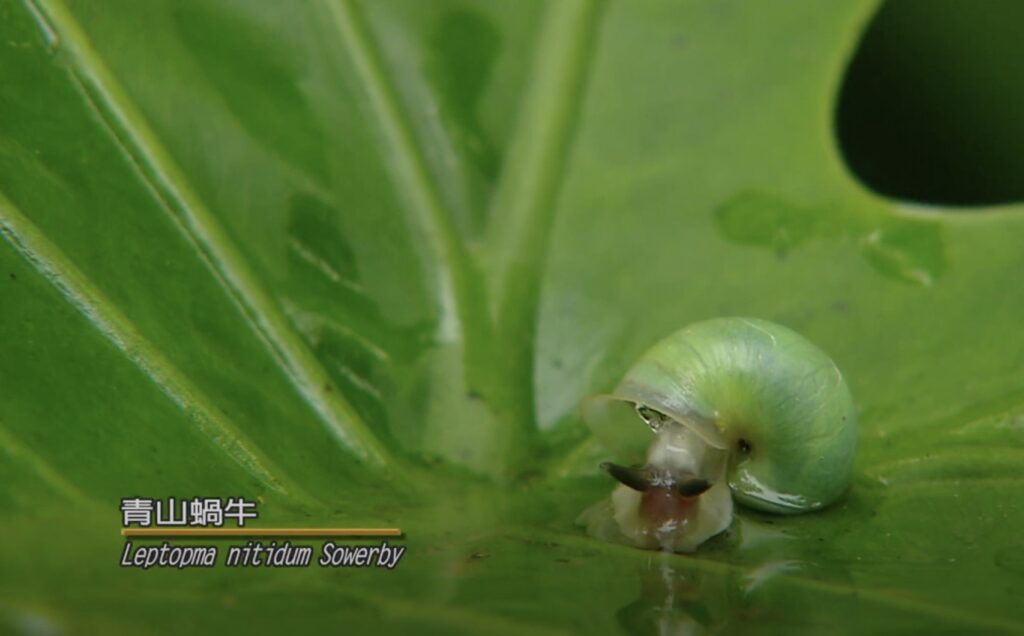
Leptoma Nitidum Sowerby in Nanrenshan
We often find Leptopoma Nitidum Snail, Satsuma albida snail and Pancala botanica snail, which are very rare even in the Hengchun Peninsula, both in terms of color and shape.
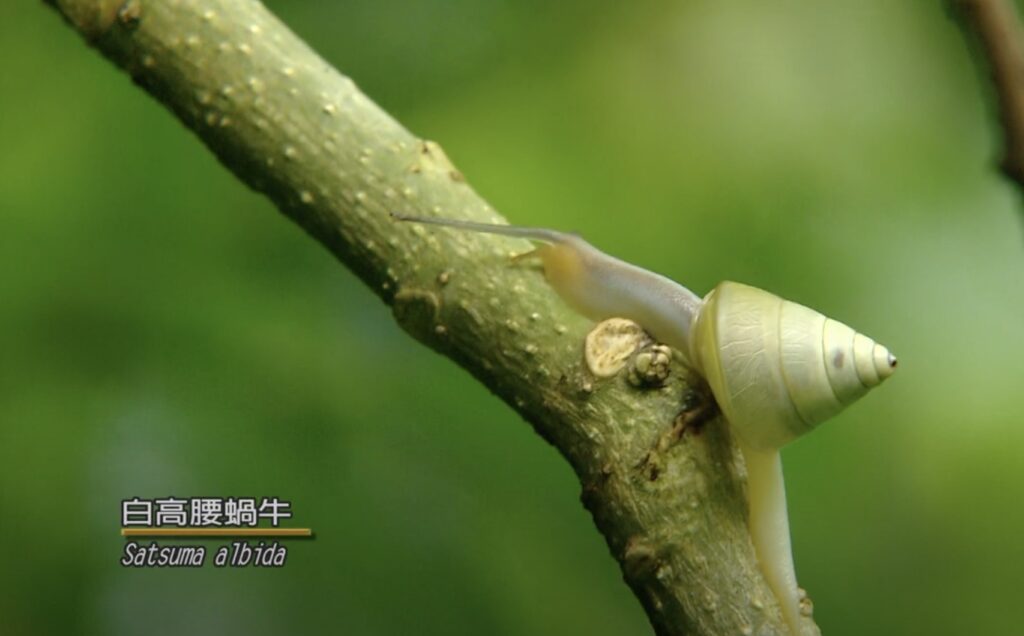
Satsuma Albida in Nanrenshan
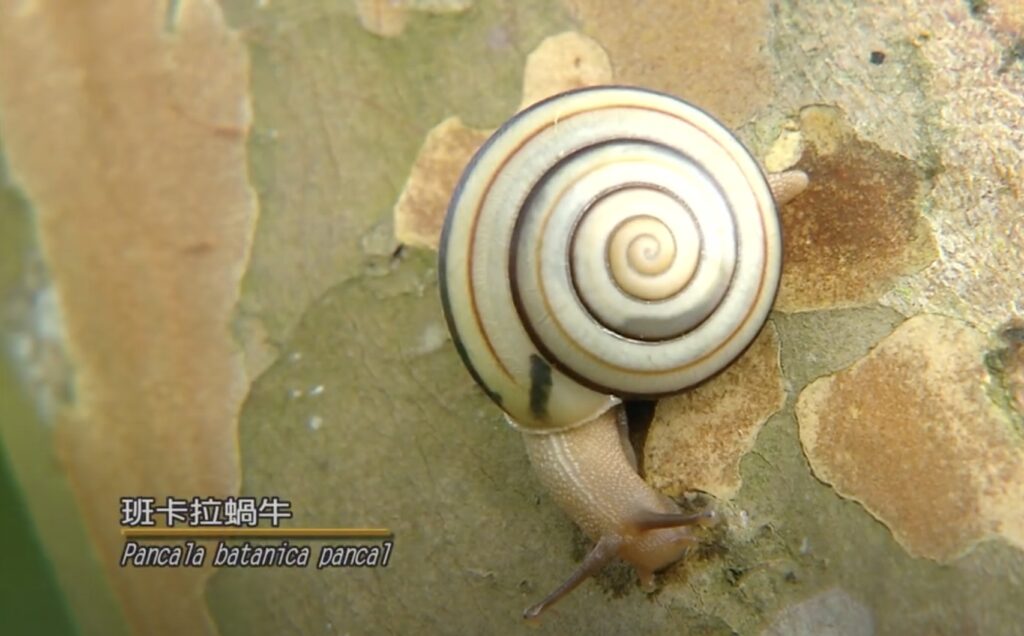
Pancala batanica snail in Nanrenshan
These snails are highly distinctive. During the daytime, they are resting and not easy to see. We usually can find them when the humidity is exceptionally high, such as in the evening or on rainy days. That’s when you have more chance to see them climbing around and looking for food.
Another distinctive feature of the Nanrenshan forest is the vegetation compression effect, with patches of temperate, subtropical and tropical forest all being found in the same area at low elevation.
For example, you can find plant species here at an elevation of around 500m that you would typically expect to find at 5000m.
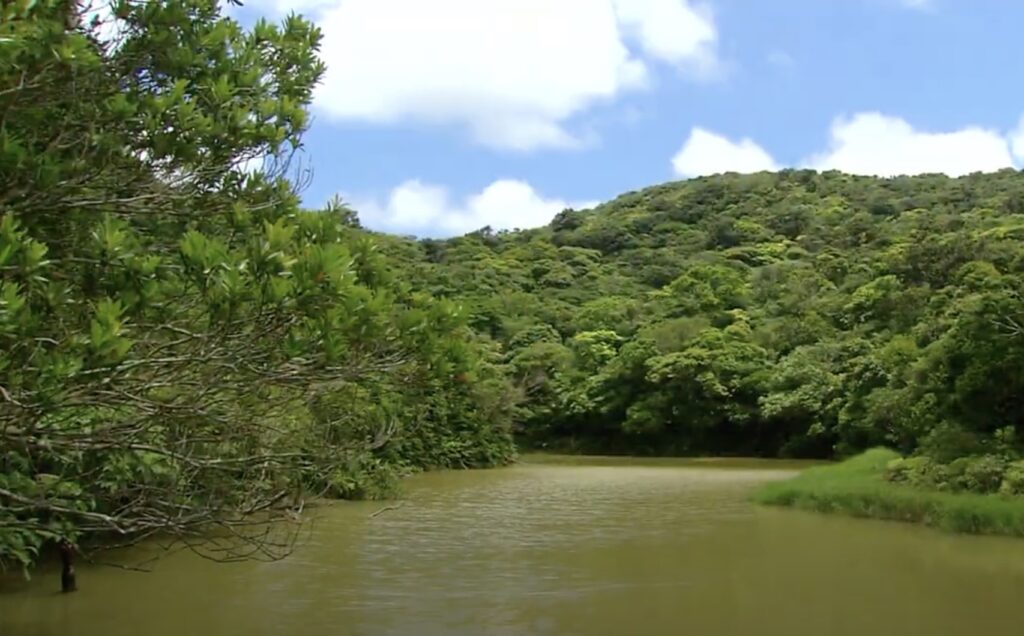
Nanren lake
On our way towards Nanren Lake, we pass a large area of marshland. This marsh is home for many aquatic plants and aquatic insects.
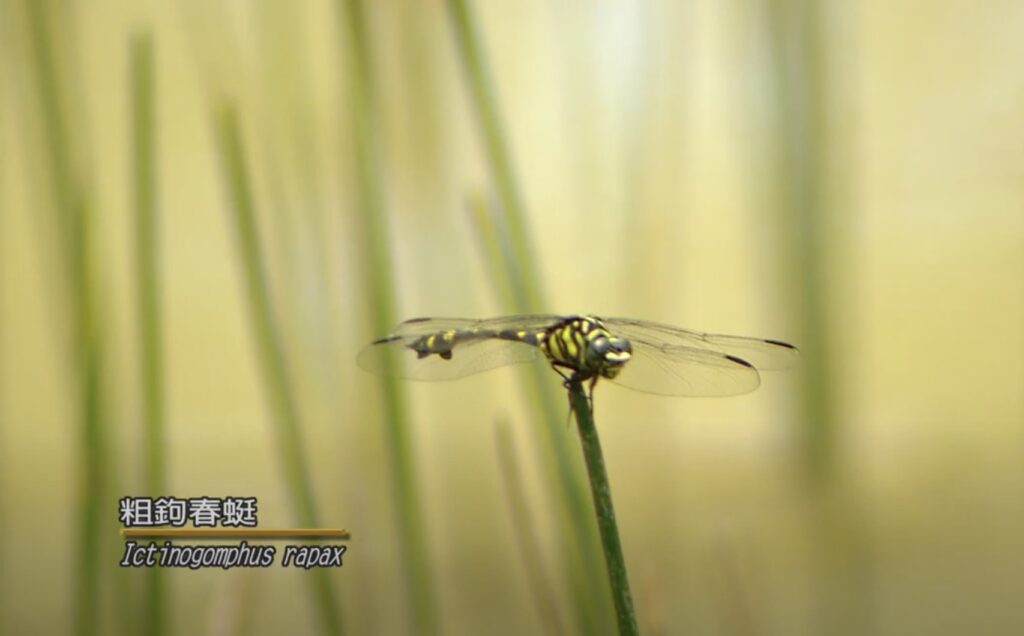
Ictinogpmphus rapax in Nanrenshan
The most commonly found aquatic insects are the Dragonfly and Damselfly. They are very easily found here, making it a marvelous place to observe these aquatic lives.
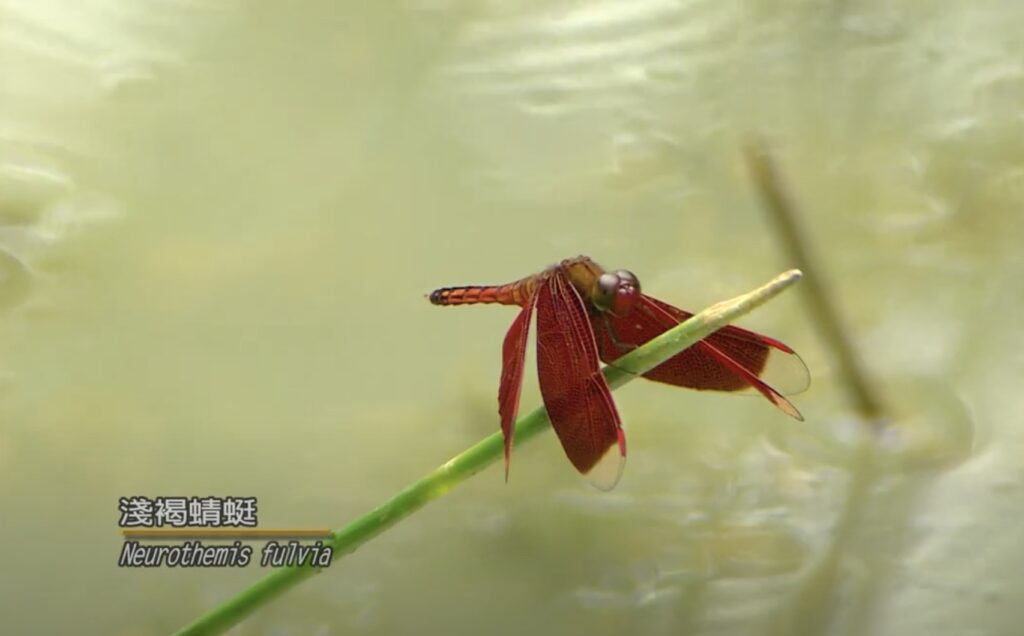
Neurothemis fulvia in Nanrenshan
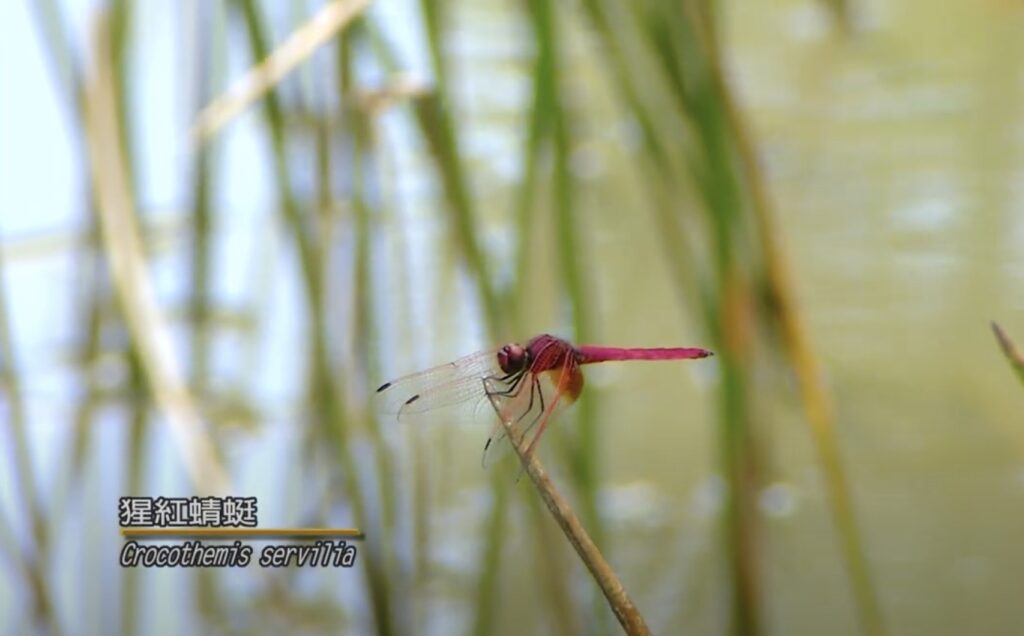
Crocothemis servilia in Nanrenshan
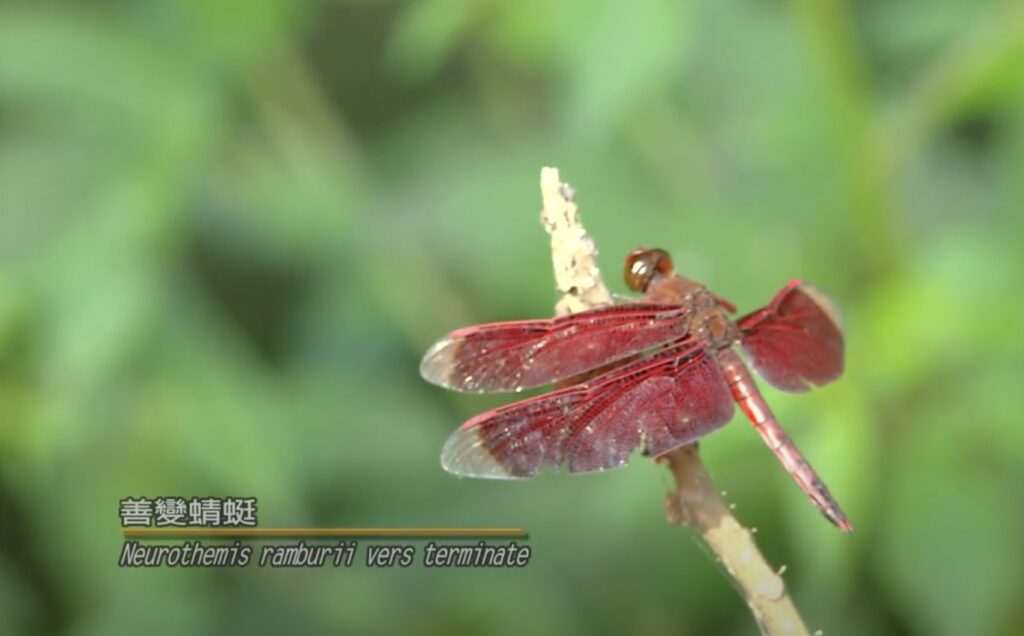
Neurothemis ramburii vers terminate in Nanrenshan
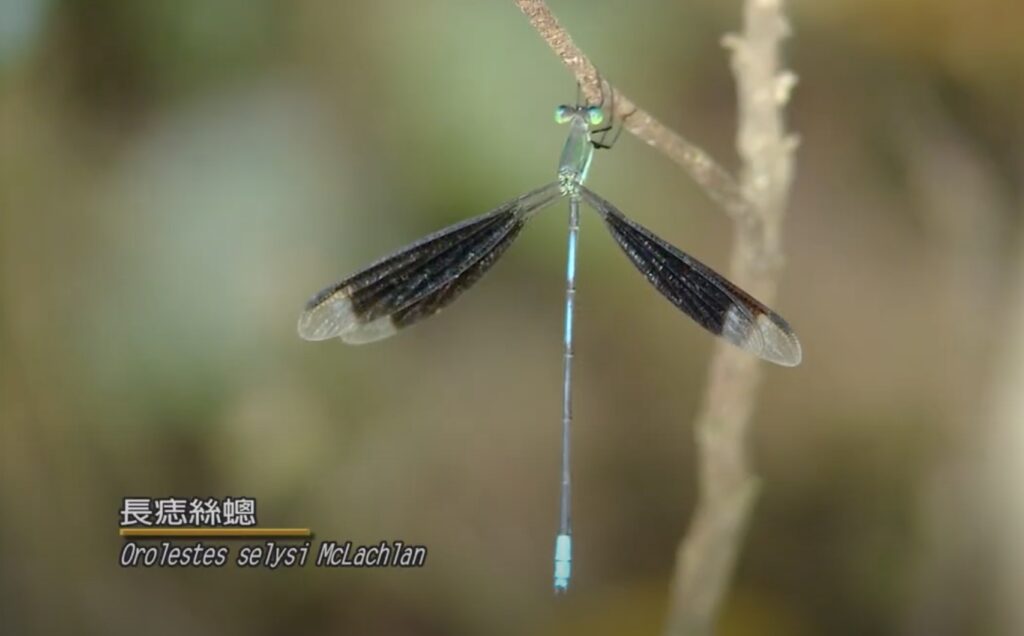
Orolestes selysi Mclachlan in Nanrenshan
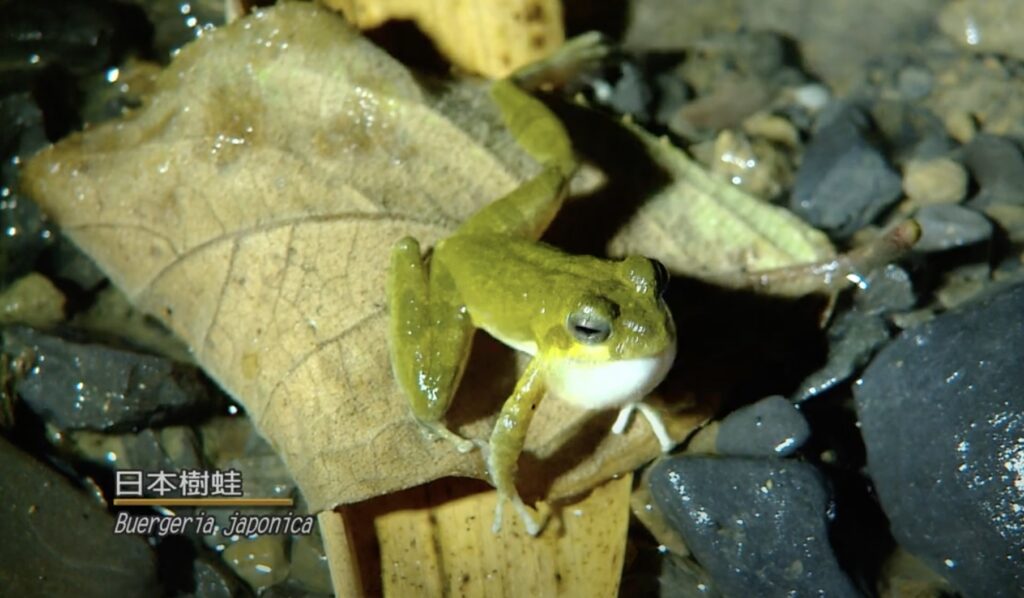
Because of the high humidity and broad expanses of water, abundant amphibian species live here. Even in the daytime, you can hear many different kinds of frogs calling.
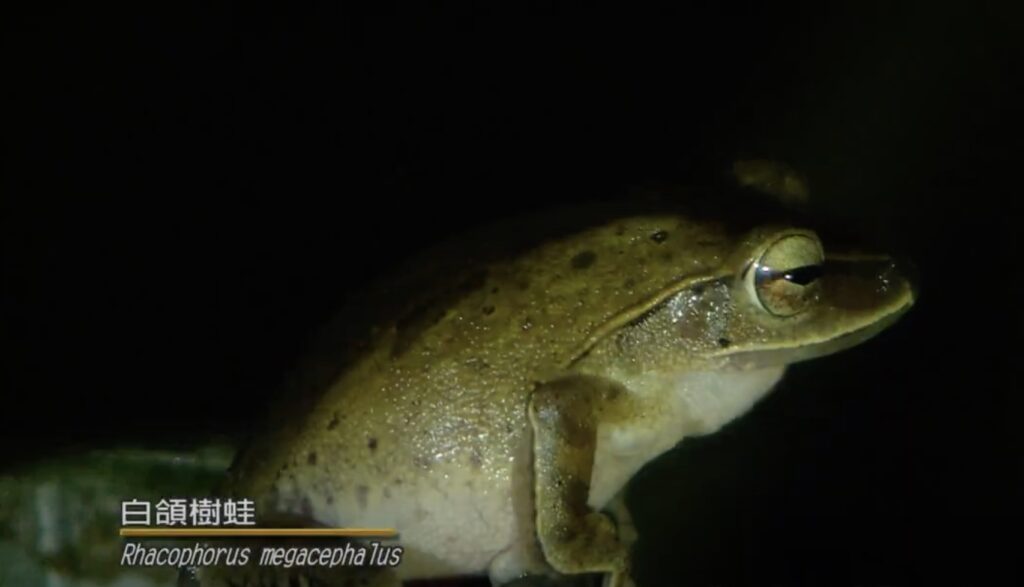
Rhacophorus megacephalus in Nanrenshan
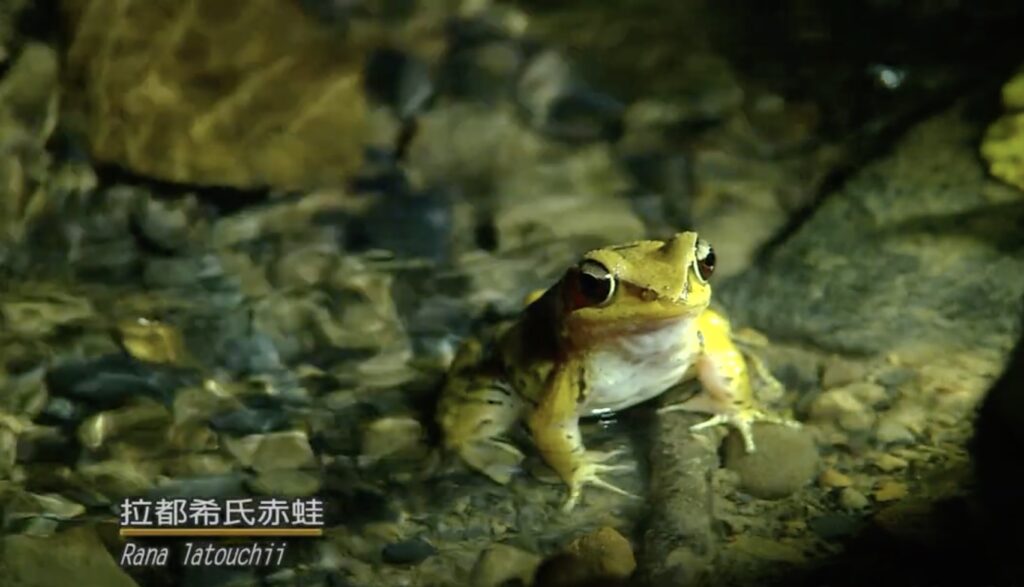
Rana latouchii in Nanrenshan
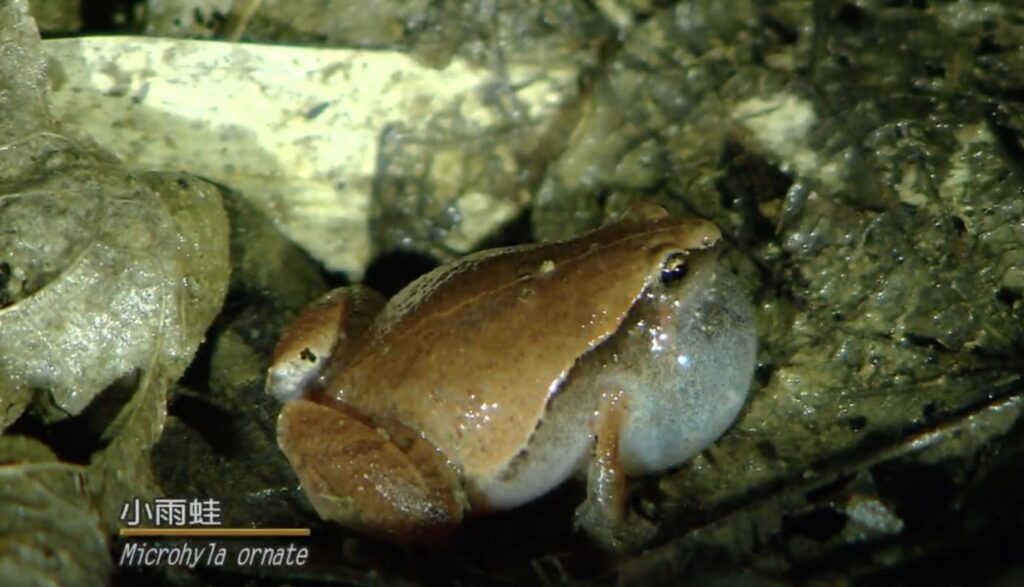
Microhyla ornate in Nanrenshan
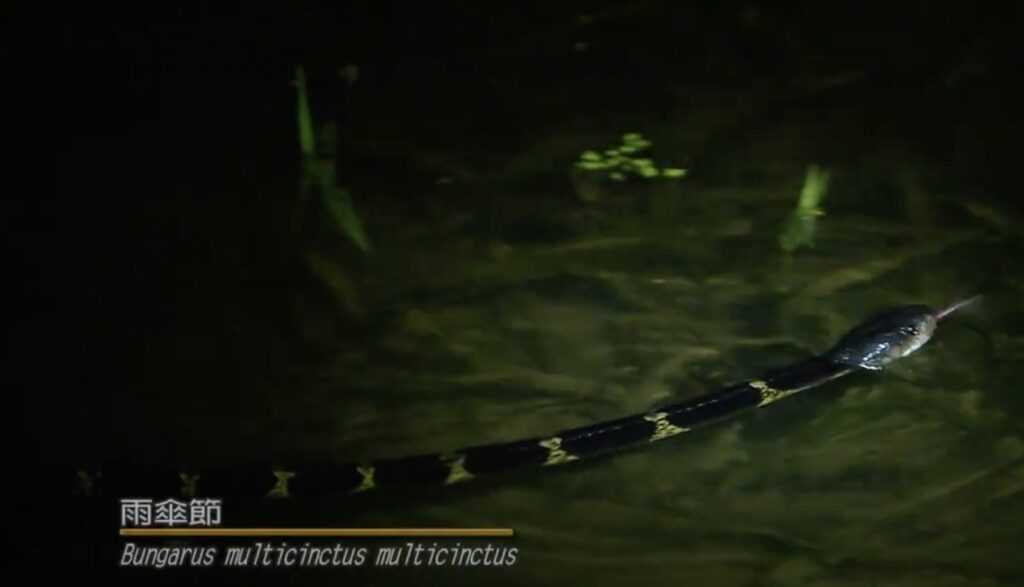
Bungarus multicinctus multicinctus in Nanrenshan
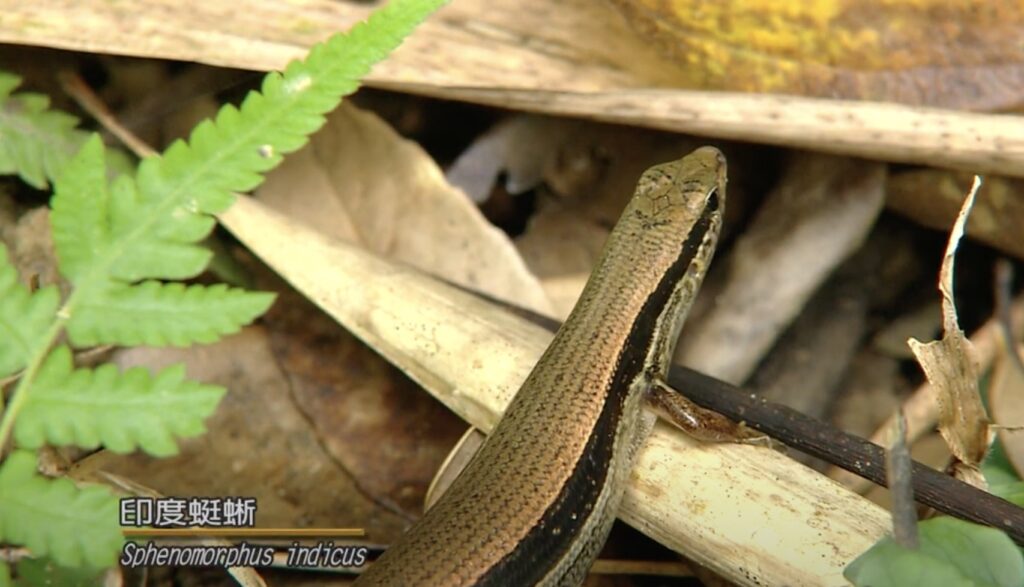
Sphenomorphus indicus in Nanrenshan
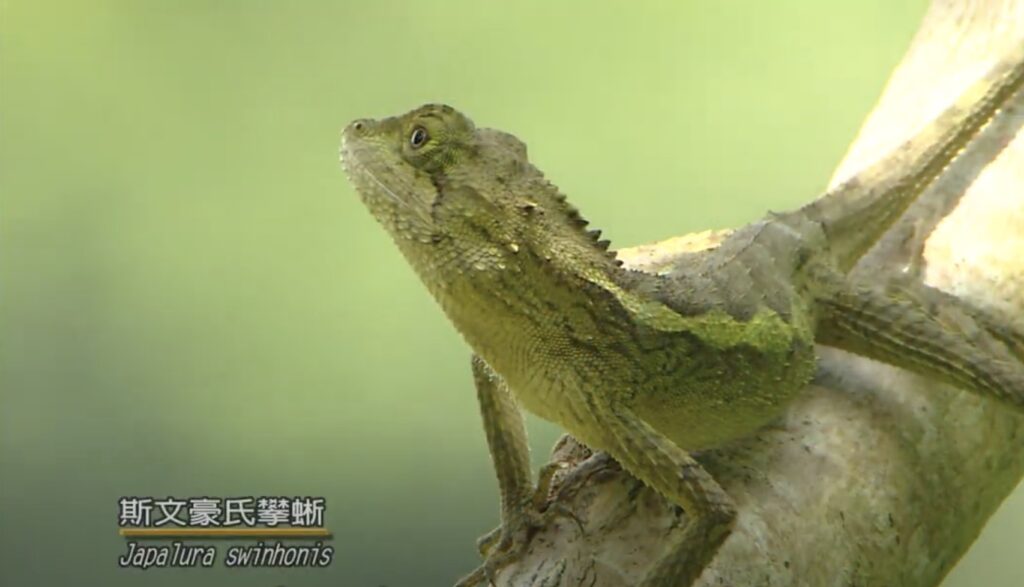
Japalura swinhonis in Nanrenshan
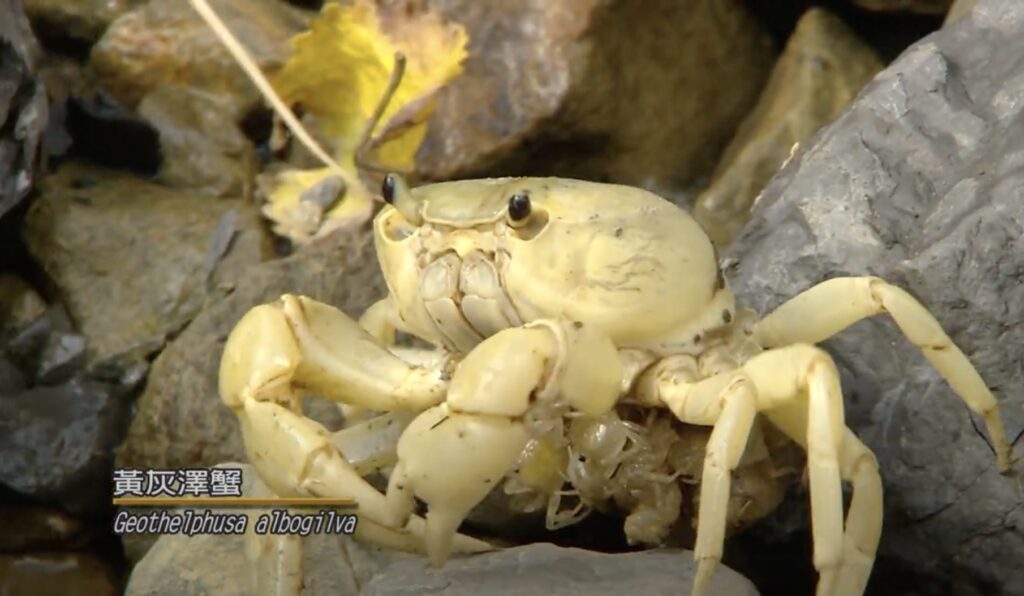
Geothelphusa albogilva in Nanrenshan
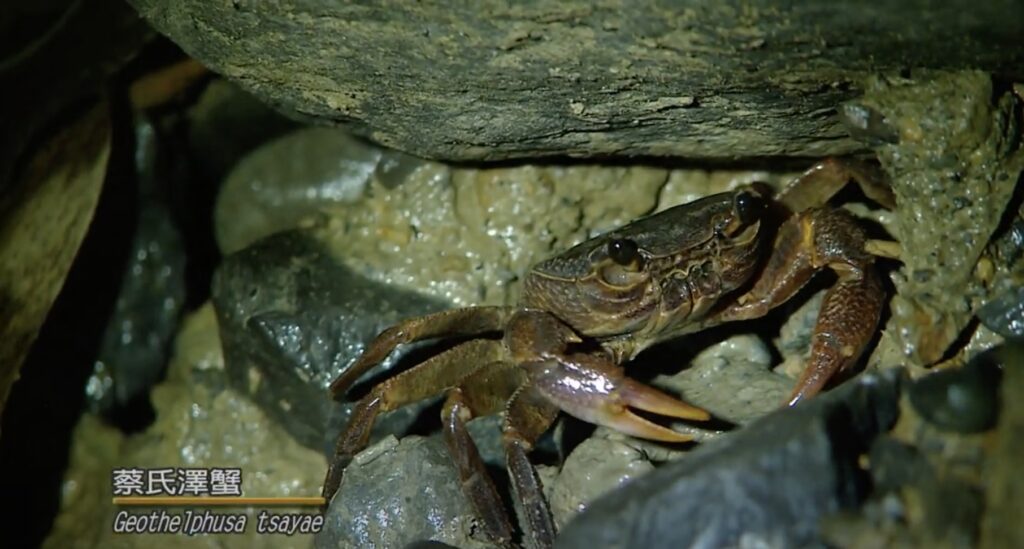
Geothelphusa Tsayae in Nanrenshan
At the end of the path, there is the Nanren Lake. It is situated in the valley bottom and surrounded by hills. Once, they were terraced rice fields in the valley. When the stream that carried water out of the valley silted up, a large lake was formed.
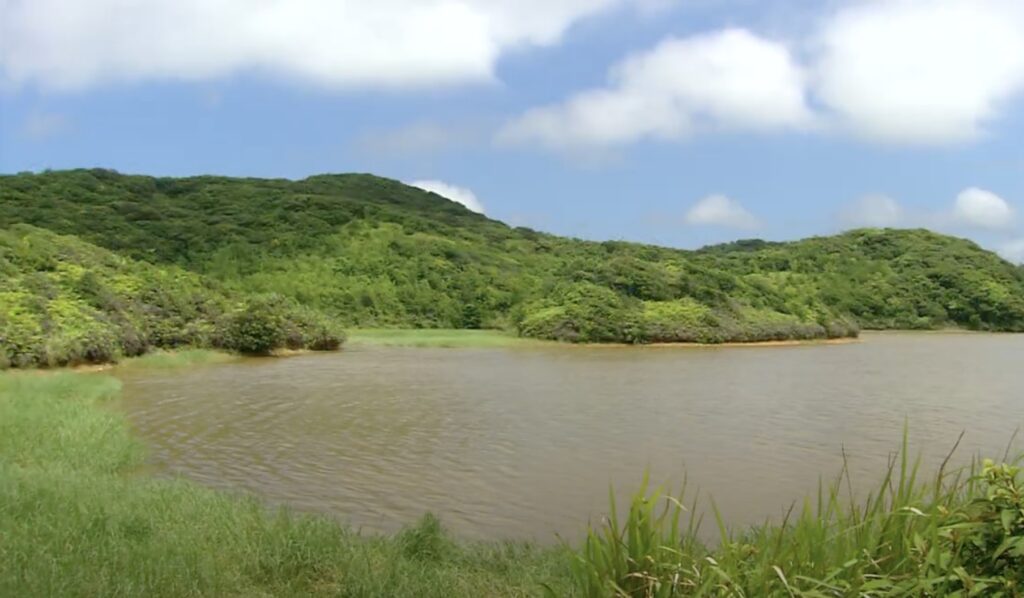
Nanren Lake
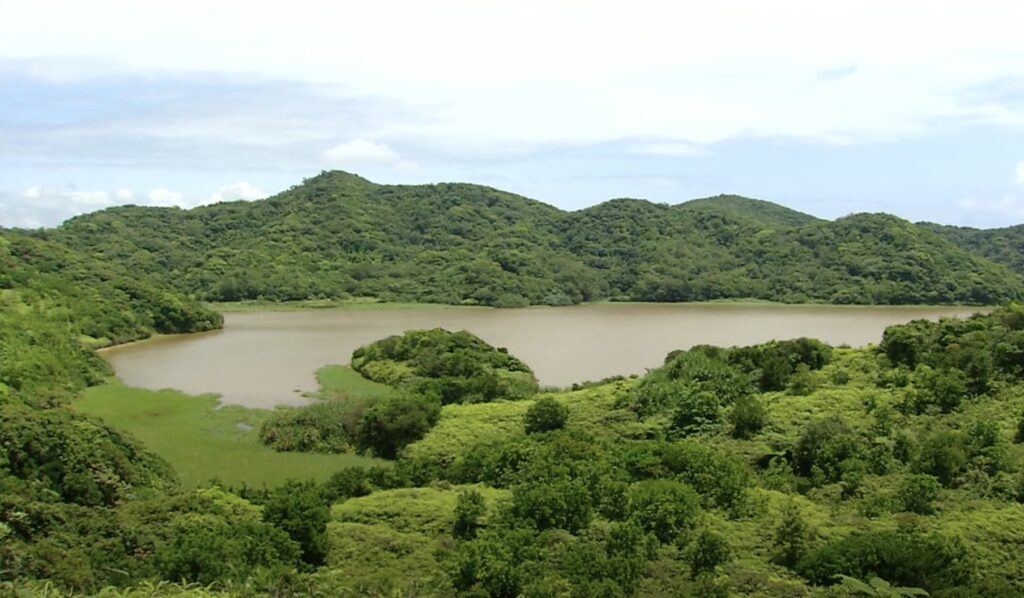
Nanren lake
Due to the strong northwest monsoon, the shrubs and bushes growing on exposed seaward-facing hilltops and ridges take the form of dwarfish or cushion plants adapting to the extreme climatic conditions.
So the plants in Nanshan ecological protection area are very tough in the natural world, preying on and being preyed upon is the most fundamental principle of existence.
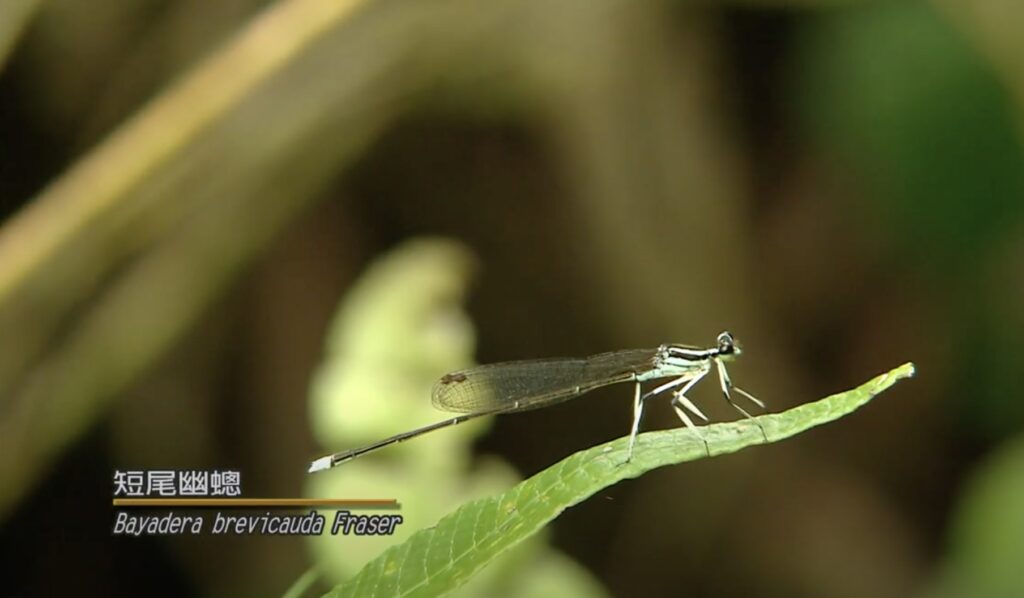
Bayadera brevicauda fraser in Nanrenshan
It happens all the time, and so it does in the grasslands and marshes around Nanrenshan Lake. In this world filled with life, we human beings who consider ourselves to be the soul of the universe should admire and ponder nature.
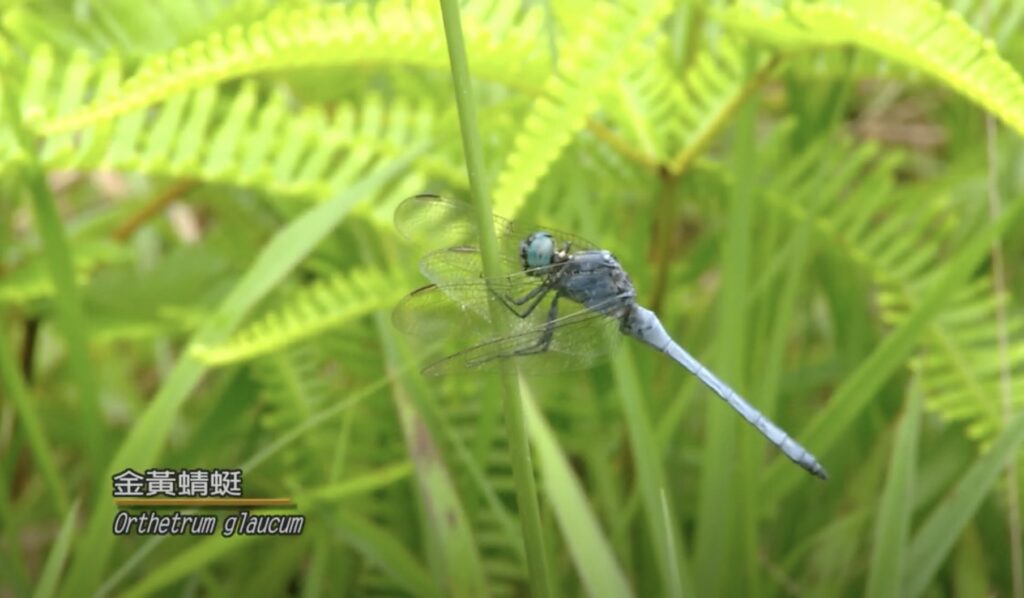
Orthetrum glaucum in Nanrenshan
The Nanshan ecological protection area is the most pristine, most carefully protected part of Kenting National Park. For this reason, visitors need to apply for permits via the Kenting National Park Administration website in advance.
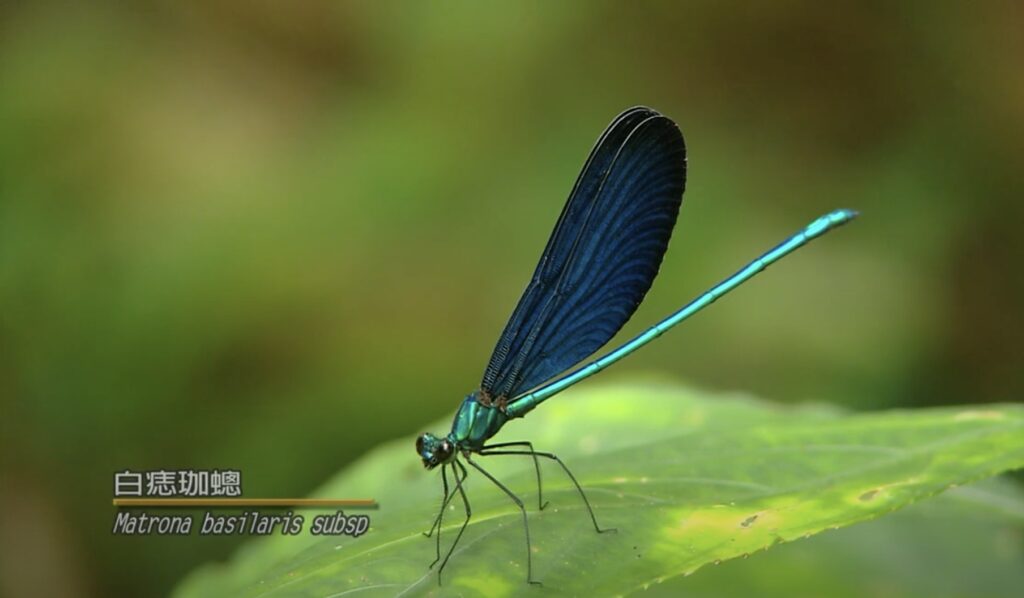
Matrona basilaris subsp
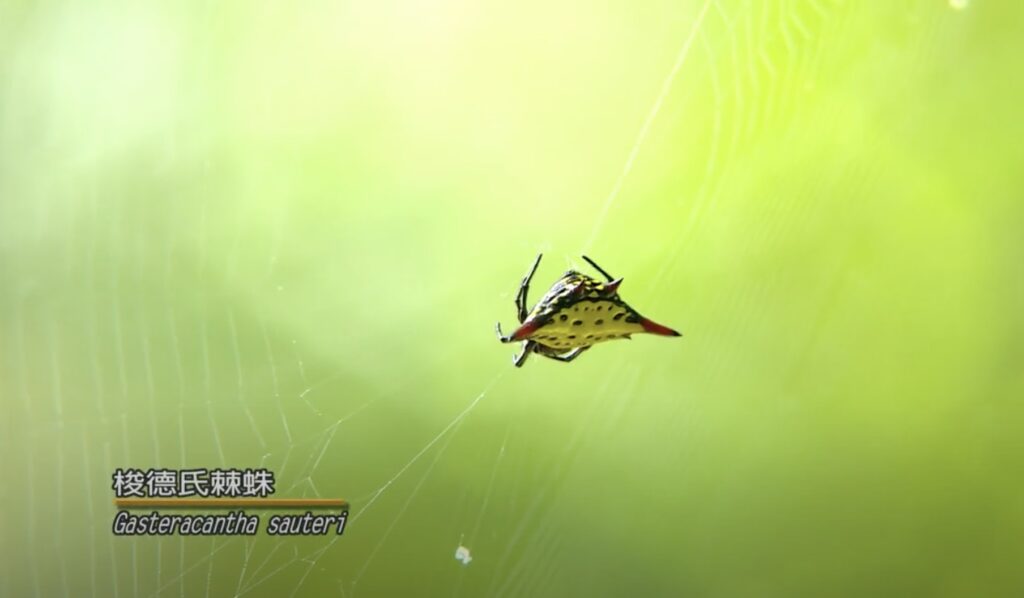
Gasteracantha sauteri in Nanrenshan
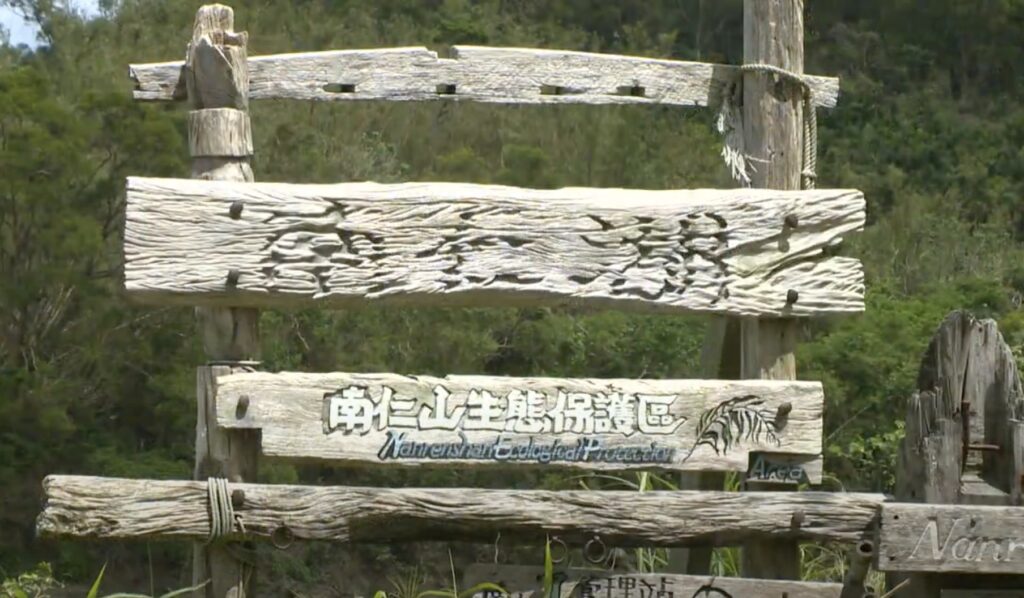
Nanrenshan ecological protection area
Before you enter the protection area, you have to watch a brief video introducing at the Visitor Center or Nanrenshan Research Station.
The Nanrenshan hiking trail is 8.6km in total and offers visitors a special opportunity to exercise the Nanrenshan ecological protection area contains priceless ecological treasures, so visitors need to follow certain rules.
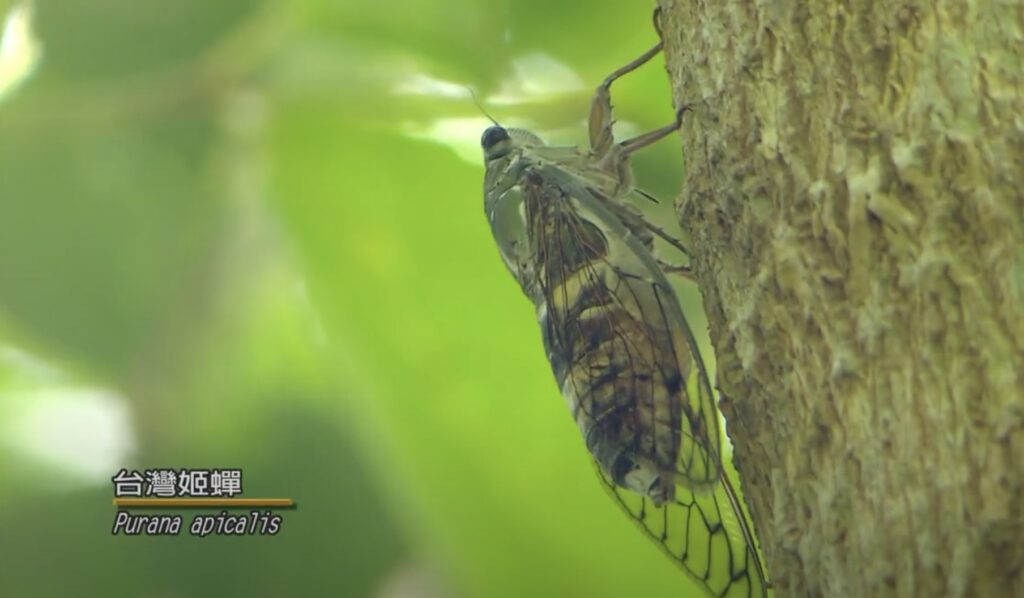
Purana apicalis
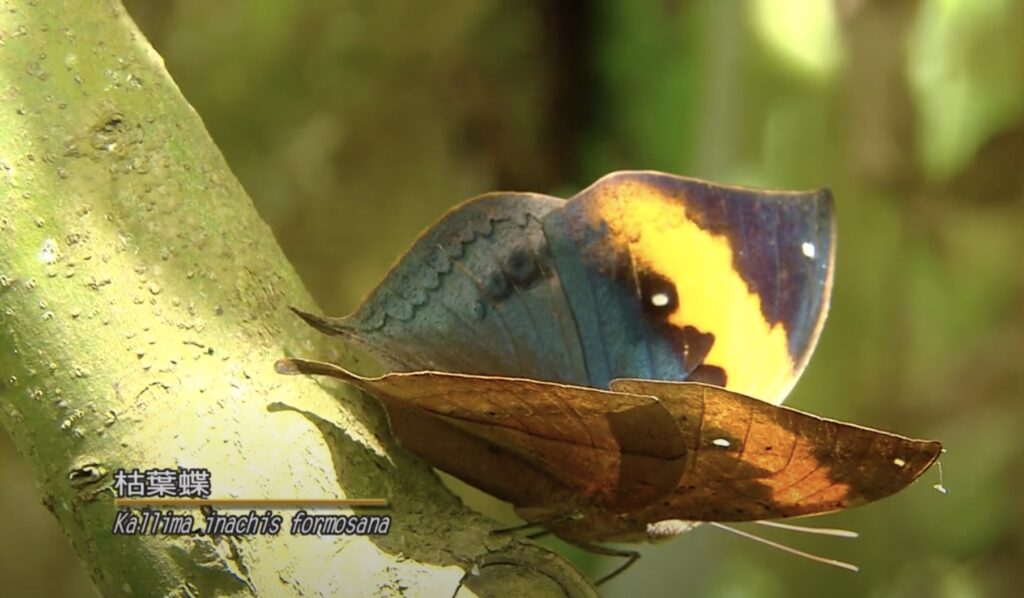
Kallima Innachis formosana in Nanrenshan
For your own safety, please do not leave the marked trail. Do not pick flowers or plants or disturb animals and birds.
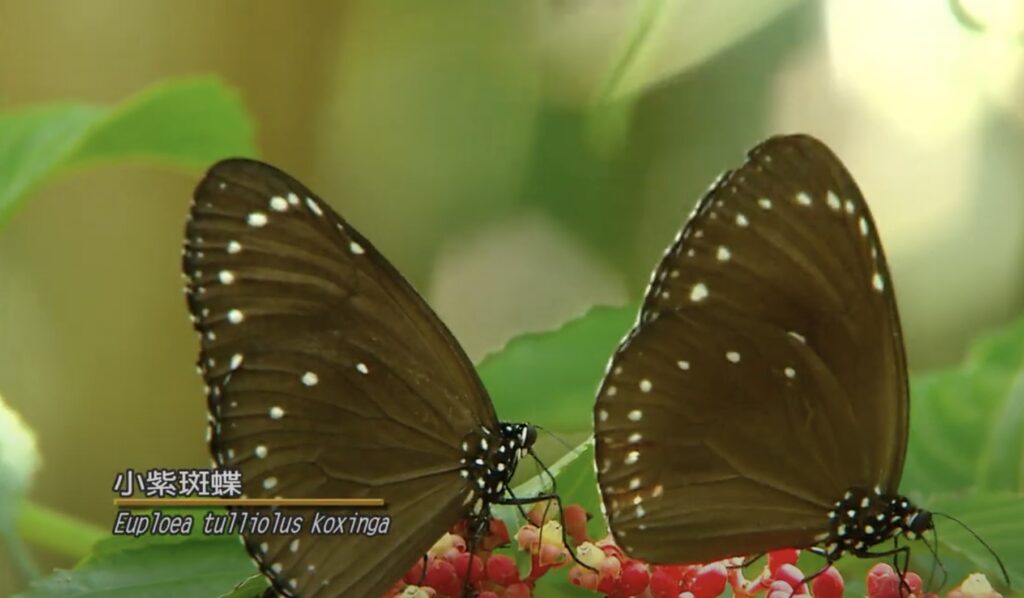
Euplohea tulliolus koxinga in Nanrenshan
The ecological wonder and beauty of Nanrenshan is waiting to be discovered as the sunlight illuminates each layer of the forest.
Let us listen to the myriad sounds of nature and reflect on the inherent value of every life. When we see the earth in a different way, you’ll find that you’ve become closer to nature.
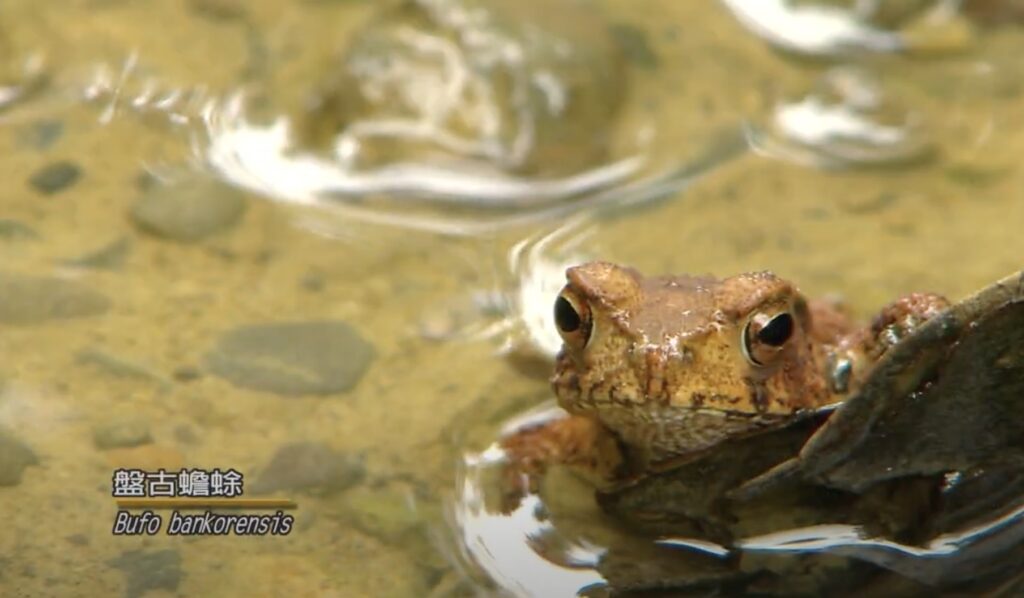
Bufo bankorensis in Nanrenshan
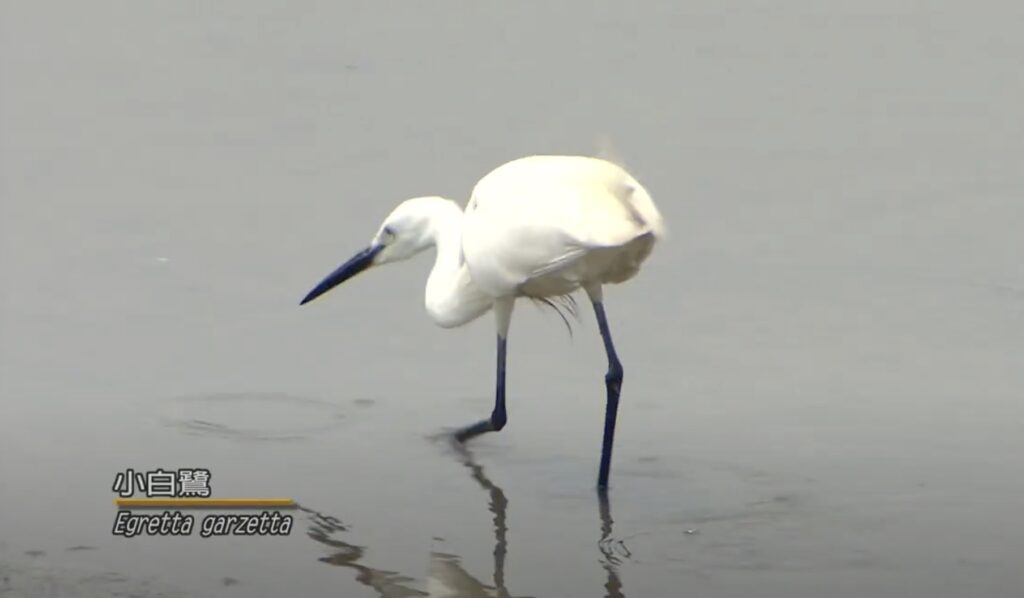
Egretta garzetta in Nanrenshan