
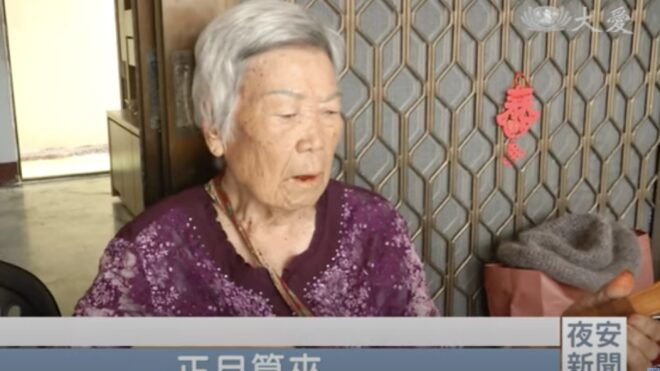
Manzhou Folk Songs, originating from the southernmost part of Taiwan, are sung by a group of grandmothers.
With seven different classic melodies, they infuse their life experiences with the lyrics. Grandma Zhang Rui-gui 張日貴, 91 years old, was recognized as an essential cultural and artistic preserver by the Ministry of Culture in 2012, and honored as a living national treasure.
Her singing has shaped the unique style of Manzhou Folk Songs and made a historical impact on the music scene in Taiwan.
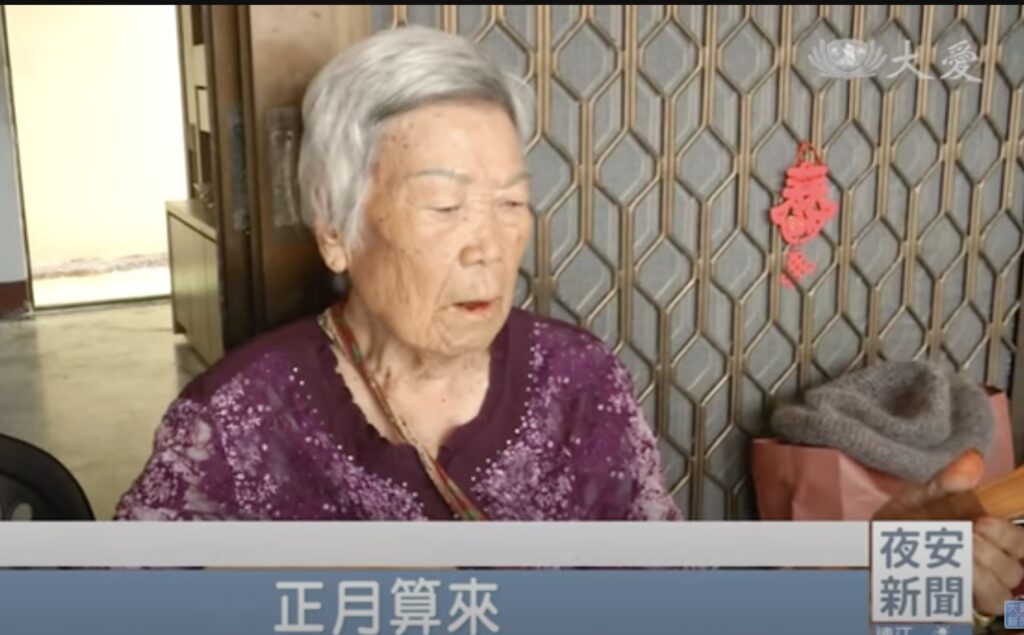
張日貴 Zhang Rui-Gui
Zhang Bi-ying, a graduate of Manzhou Folk Songs, said, “They would sing like this by the fields, tea gardens, or mountainside, to relieve stress.”
The sour, sweet, bitter, and spicy aspects of life are infused into the lyrics: Manzhou Folk Songs.
Song Fang-wen, a tea farmer from Manzhou Township, said, “Tea picking is tough, it makes you sweat until you have no more sweat.”
Zhang Bi-ying, a graduate of Manzhou Folk Songs, said, “Most of the songs have seven characters, but they also need to rhyme. The meaning of the sentences should be coherent from one to another.”
With a moon lute and two strings, they can play seven different tunes. Manzhou Folk Songs were initially sung by a group of farmwives.
One of the earliest singers, Grandma Zhang Rui-gui, 91 years old, has been singing folk songs for a century and has been recognized as a living national treasure by the Ministry of Culture.
Zhang Rui-gui, a national treasure and master of preserving Manzhou Folk Songs, said, “I was born with a talent for singing. They would tell me, ‘Ah Gui, you don’t need to work in the fields. Just sit by the fields and sing for us, and I’ll help you with the farming.’ They said that when they heard us sing, their whole body felt better.”
With her natural singing talent, Grandma Zhang’s voice carries the essence of the songs after years of practice and a deep understanding.
Zhang Rui-gui, a national treasure and master of preserving Manzhou Folk Songs, said, “During the first month of the lunar year, when I sing, I drag out the ending notes. Some people can’t do that. People start working.”
Xie Xue-feng, a student learning Manzhou Folk Songs, said, “Grandma is like the A-Mei of Manzhou Township. She doesn’t need a microphone, her voice can resonate through the valleys.”
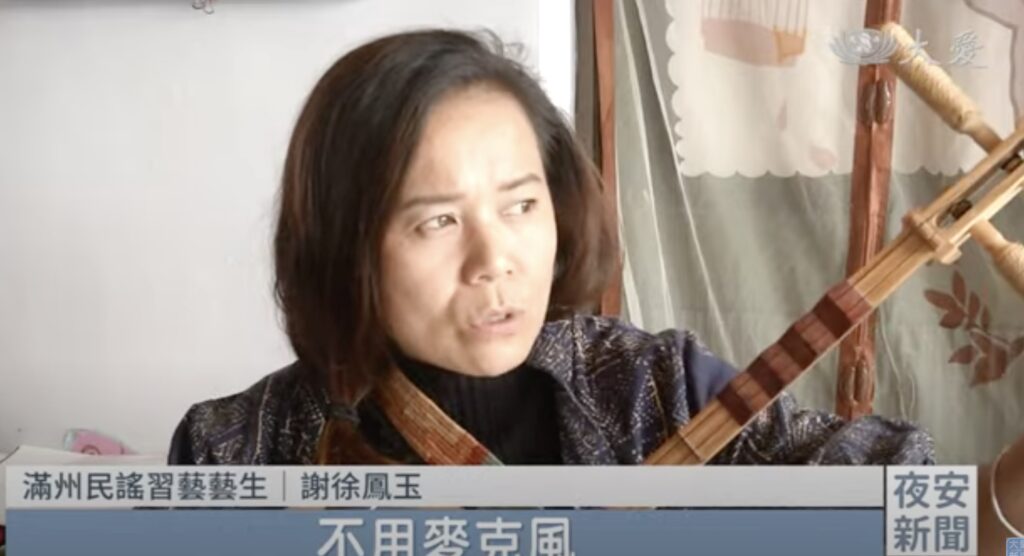
Xie Xue-feng, a student learning Manzhou Folk Songs
Born into poverty, losing her father at the age of three, there is one song that makes her cry every time she sings it.
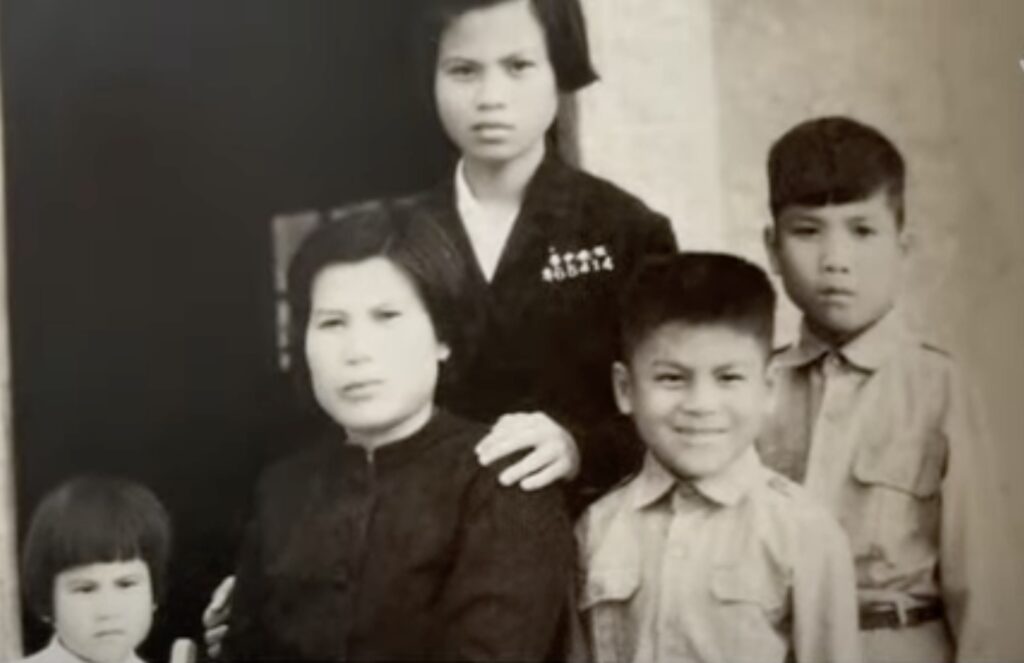
Zhang Rui-gui, a national treasure and master of preserving Manzhou Folk Songs, said, “If I sing a song about parents, I always cry. (You have a good life, don’t cry.) Because my life has been tough. I started weeding and transplanting rice seedlings when I was young. It was just my mom, my younger sister, and me.”
With a voice filled with life’s experiences, this sound comes from the southernmost part of Taiwan and has even graced international stages.
Xie Xue-feng, a student learning Manzhou Folk Songs, said, “She has made significant contributions to the local community, the preservation of folk songs, and her overall character and behavior.”
A living national treasure, a life dedicated to singing, Grandma Zhang passes down her knowledge, spreading the culture of her hometown far and wide.