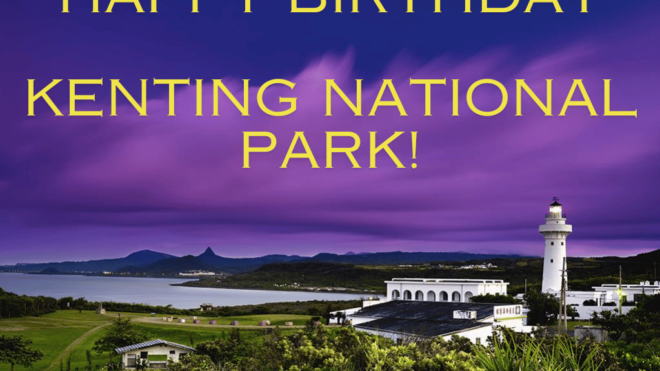

Kenting National Park, Taiwan’s first national park, celebrates its 40th anniversary this year. The park’s management office held a heartfelt ‘Forty Not Confused 四十不惑’ anniversary celebration, inviting previous directors to return ‘home.’ Retired National Taiwan Normal University Biology Professor Wang Ying, who led the Formosan sika deer restoration project, National Taiwan University Marine Institute Professor Dai Changfeng, who is dedicated to coral reef conservation, and Pingtung University of Science and Technology Forestry Professor Chen Mei-hui 陳美惠, who initiated community eco-tourism, shared their journey from humble beginnings to flourishing growth, looking forward to meeting again in the next decade.
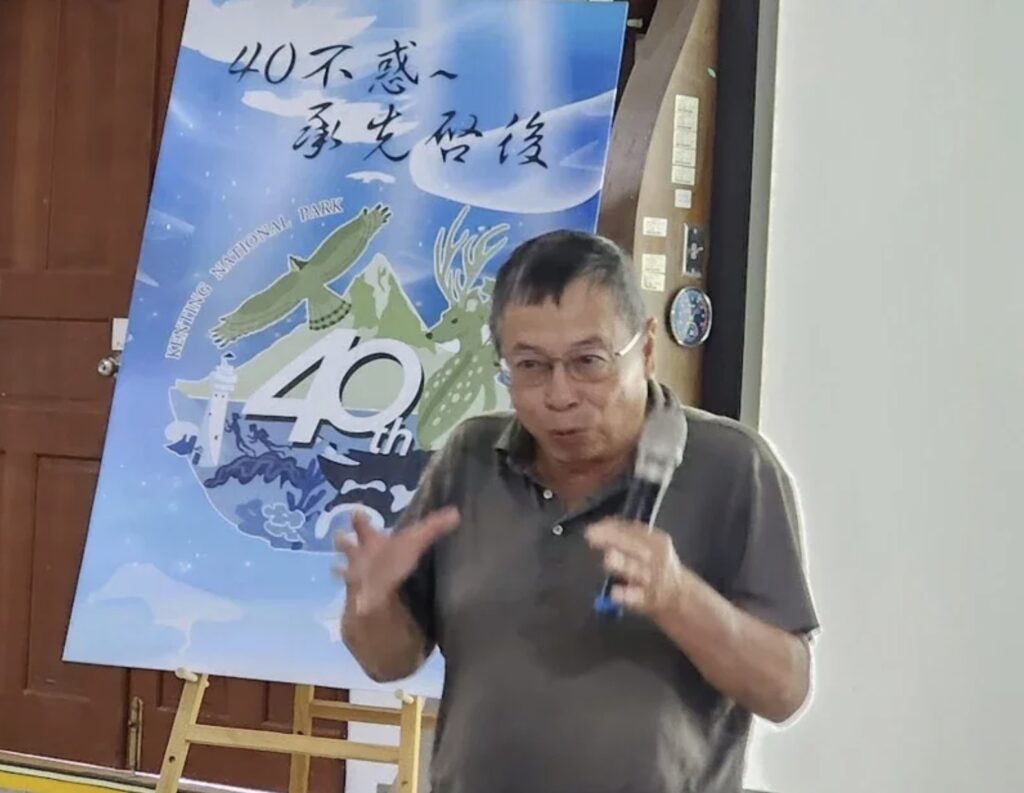
In the early years, retired professor Wang Ying 王穎 from the Department of Biology at the Normal University, who headed the Formosan Sika Deer restoration project, shared snippets of his feelings and experiences from that time.
Chen Qianlong 陳乾隆, the director of the management office, emotionally stated that internally, the office is aware of its responsibilities, and externally, it keeps in touch with societal trends to maintain the pristine natural environment of the land, ensuring the well-being of the sky, sea, plants, animals, and residents.
He expressed gratitude to all the predecessors and partners who have protected the area and looked forward to creating a bright future together. He believes that with 40 years of accumulated experience and wisdom, the park is not only a pioneer among Taiwan’s national parks but also a model for environmental protection in Taiwan.
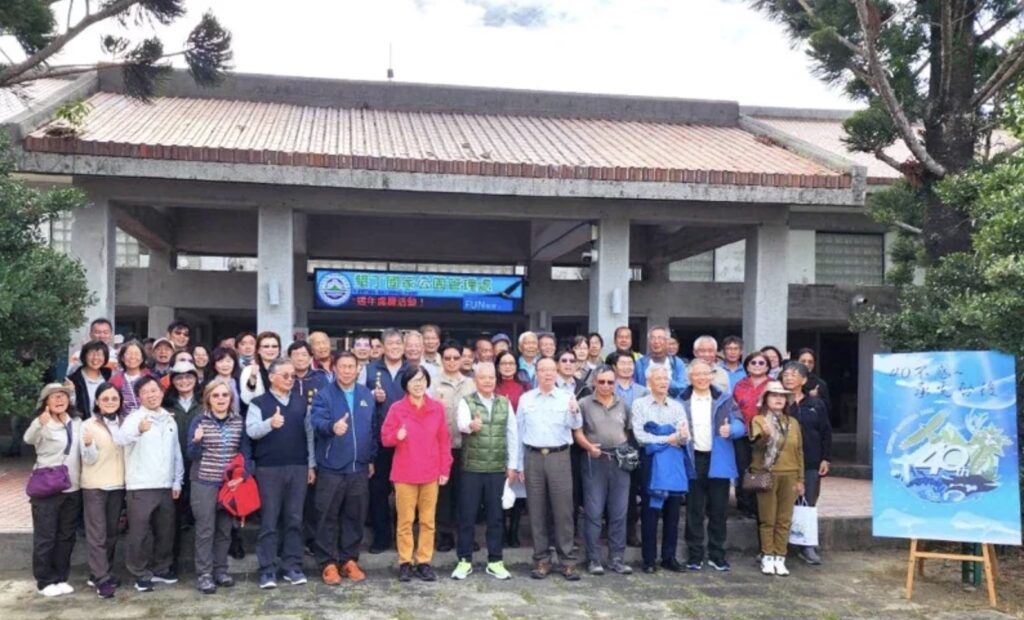
Kenting National Park Administration held a warm ‘Confident at Forty’ anniversary celebration, inviting former directors and scholars who participated in environmental and ecological surveys in the early years to return to their alma mater.
The sharing session was divided into ‘Moving Towards Conservation-Based Management’ and ‘Entering the Era of Industry-Government-Academia and Local Prosperity.’ Regarding conservation, the Formosan sika deer restoration in Kenting has propagated nearly 2000 deer over 30 years, bringing tourism revenue and becoming a proud example of successful restoration.
Early project lead Wang Ying jokingly remarked that he never expected Kenting to develop beyond expectations, leading to conflicts between deer, humans, and the ecosystem (nothing much to joke about, check our series of articles about Sika Deer overpopulation in Kenting). The management office has adopted suggestions to annually reduce the environmental burden through deer relocation and external gifting.
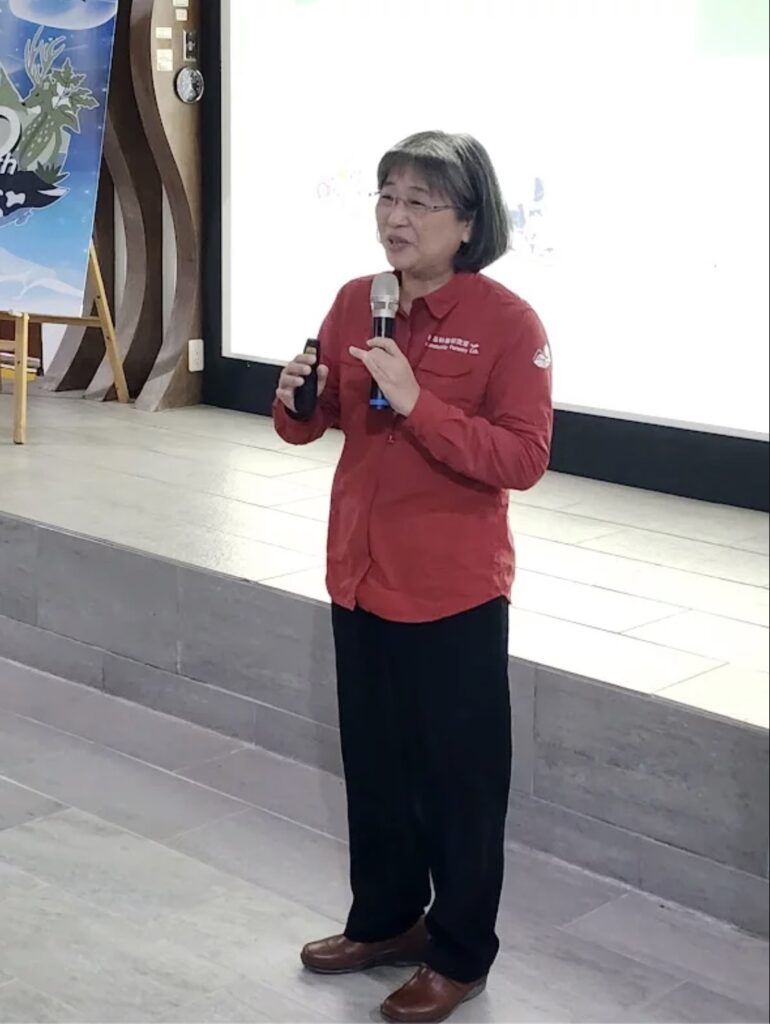
Chen Mei-hui 陳美惠
Dai Changfeng 戴昌鳳, one of the first involved in the Kenting National Park Coral Reef Ecological Survey, reminisced about his youth and the abundance of coral reefs and fish species then. Due to excessive recreational pressure, development, and climate change, the glory days are gone. The management office established the Houbihu Marine Resource Conservation Area. Recently, while diving at the nuclear power plant’s outlet, he was delighted to see the return of the parrotfish, a sign of conservation success.
In contrast to the traditional ‘superficial tourism’ model, Chen Mei-hui 陳美惠 initiated eco-tourism in the She Ding tribe 20 years ago, balancing environmental conservation and the local economy. The project has now expanded to 12 communities. She recalled regular meetings with residents, continuously communicating concepts, and training locals to patrol the environment and guide tourists, helping outsiders appreciate the deep cultural and ecological beauty. This approach not only became a popular new itinerary in Kenting but also a national exemplar.