
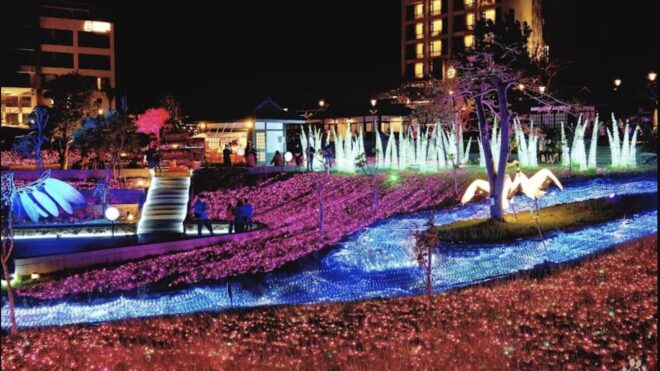
Sihchongxi Hot Springs are located in the Wenquan Village of Checheng Township, covering an area of about 350 hectares. By taking County Road 199 from Checheng, you can reach the hot spring area surrounded by mountains in about 5 kilometers.
Upon entering the county road, you are greeted by Casuarina trees on both sides, with fields stretching out on either side. In the autumn, onions are deeply planted, and by March of the following year, the aroma of ripe onions fills the air, with onions resembling golden balls lying in rows in the fields. Don’t forget – Checheng Township is a Taiwan Onion Kingdom!

It’s worth stopping to appreciate the rural scenery; beneath the shaded forest path, you can see farmers irrigating and tending to their fields, presenting a picturesque rural scene. Sihchong Creek is the gateway to Mudan Township.
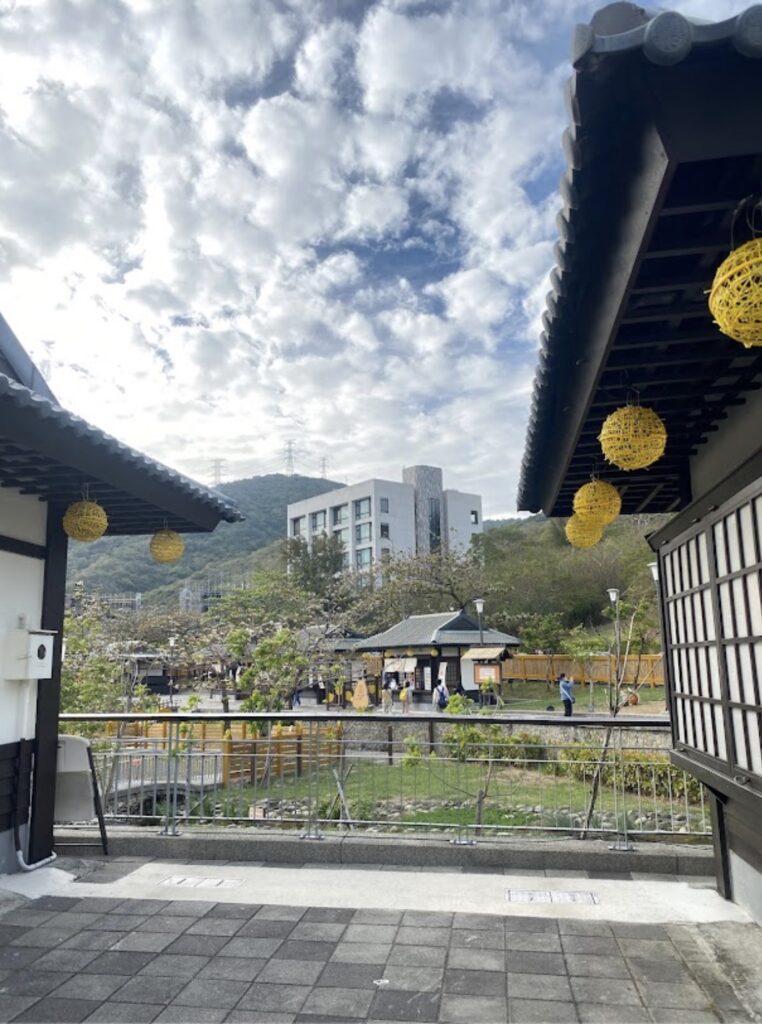
Due to the natural hot springs that gush from the ground, it was historically called “Chu Tang” (出湯 – emerging hot water). Because of its location in a basin surrounded by mountains with rivers running through, early residents had to wade through the rivers, walking the winding paths of the Sihchong Creek, hence the colloquial name “Sihchong Creek”. In 1950, Sihchong Creek was renamed “Hot Spring Village”, or Wenquan Village.
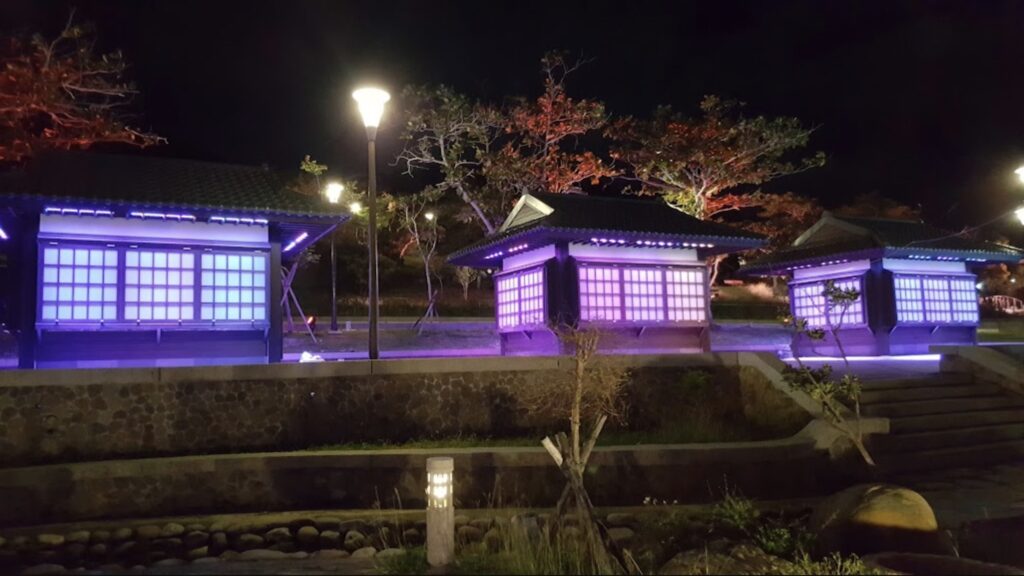
During the Japanese colonial period, it was ranked alongside Beitou, Yangmingshan, and Guanziling as one of Taiwan’s four major hot springs. The spring water originates from the foothills and is a sodium bicarbonate alkaline spring, different from the sulfur springs of Yangmingshan. The spring water gushes from the crevices of the Shizai Mountain, with a flow rate of about 150 liters per minute.
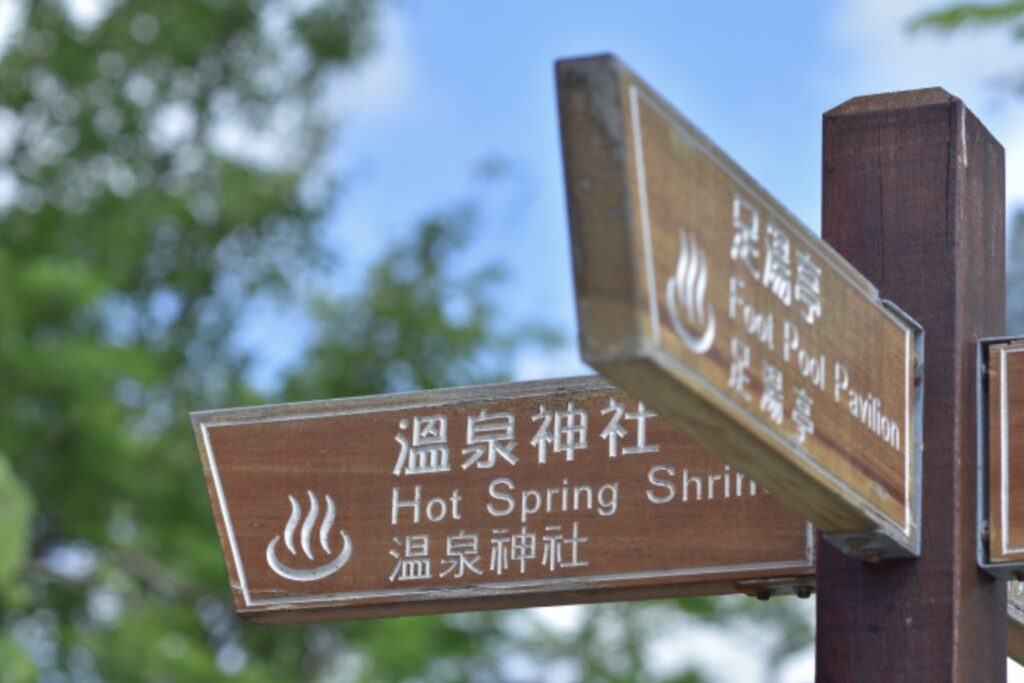
The water temperature is moderate, ranging between 50 to 60 degrees Celsius, with a pH level between 7.9 and 8. The water quality is a saline carbonic acid spring, clear, colorless, and odorless. Apart from bathing, it is also drinkable. It has therapeutic effects on chronic digestive organs, arthritis, nerves, etc., unlike general sulfur springs which only treat skin diseases.
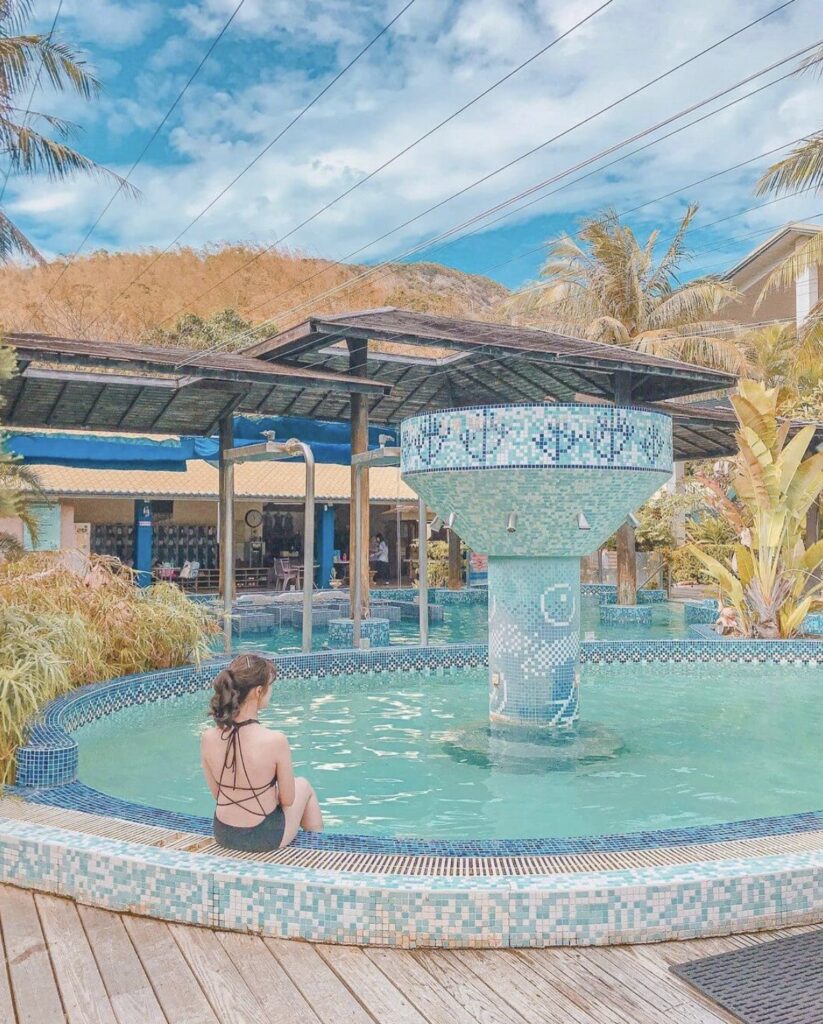
The hot springs here were discovered during the Qing Dynasty’s Guangxu period. In the late Taisho period of Japan, the then Crown Prince Hirohito (later Emperor Showa of Japan) passed by and stayed here. In 1932 (Showa 7), Prince Nobuhito of Japan, the younger brother of Emperor Showa, specifically came here for his honeymoon, staying at the Yamaguchi Hotel (now known as Qingquan Resort). He praised the local hot springs, and the bathhouse he used is still preserved today, becoming a must-visit attraction for tourists.
In 1954, President Chiang Kai-shek also came here for a vacation and summer retreat, making it a renowned spot for a time. The renovated public bathhouse of Sihchong Creek Hot Springs is an emerging important tourist spot on the Hengchun Peninsula, with numerous scenic spots in its vicinity, each with its unique features. These include the Mudan Incident Shimen Ancient Battlefield, Mudan Reservoir, Dongyuan Recreation Area, Xuhai Sunrise, Xuhai Prairie, Gangzai Desert, etc.

Especially after the removal of the military checkpoint in Mudan Township, the area’s pristine beauty was unveiled, adding an intellectual, emotional, fitness, educational, and health tourism route to the Hengchun Peninsula. When you come to Sihchongxi, you will first be attracted by the signs of hot spring hotels on the streets. In addition to several hot spring hotels available for accommodation, a public bathhouse is set up by the township office, located on Culture Road in the Hot Spring Village (near Qingquan Hotel), just a few tens of meters away from the Wenquan Elementary School.

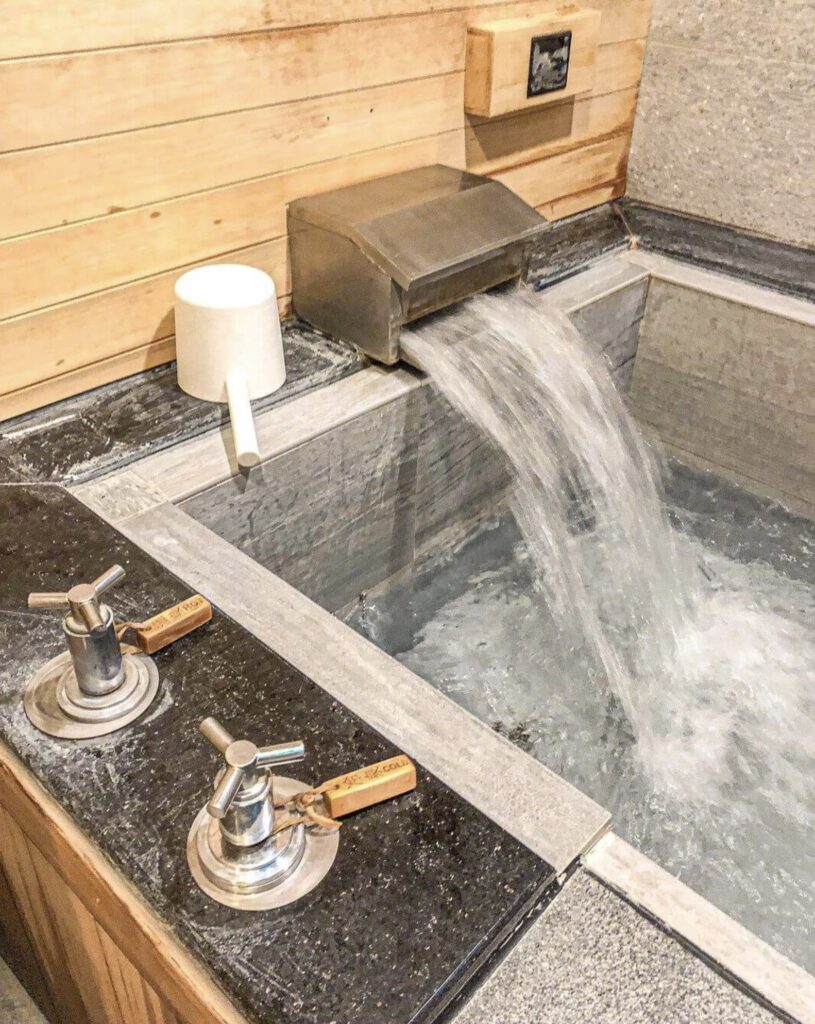
It has separate baths for men and women and has existed since the Japanese colonial period. Local residents, regardless of gender or age, love to come here for a soak. In the early 2001, it was renovated again, and to maintain the bathing quality, it underwent internal maintenance in March 2009 and was reopened to the public in late June after the renovation was completed.

For those seeking a Japanese-inspired hot spring experience without leaving Taiwan, especially during times when traveling to Japan might not be feasible, Sichongxi offers an enchanting alternative. It’s a place where visitors can immerse themselves in nature, history, and the therapeutic waters, making it a must-visit destination in Taiwan’s south.