
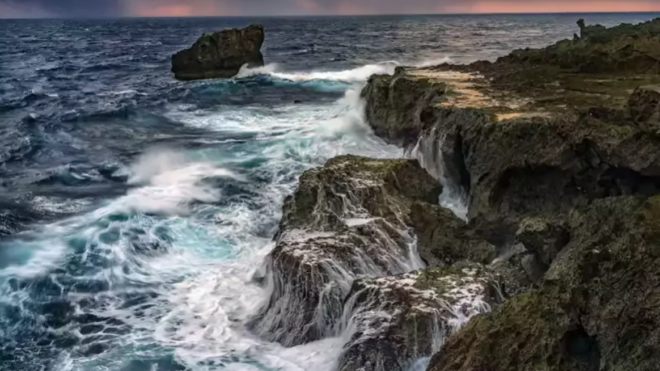
The geological landscape of Kenting National Park is diverse and rich, differing from the one-way outdoor activities led by interpreters. The Kenting Management Office attempts to immerse visitors in the natural landscape through a “reading the landscape” approach involving observation, reading, writing, and recording. This year’s first event is held in the Longkeng Ecological Protection Area, known for its extraordinary geological formations. Through “reading the landscape,” people can profoundly appreciate the grandeur of Longkeng’s cliffs and reefs, especially with the winter’s strong winds and waves, enhancing their spiritual energy.
The Taiwan Geopark Society has been promoting “reading the landscape” to raise public awareness about Taiwan’s geological parks and landscape conservation. This involves reading, writing, photographing, and depicting landscapes, documenting Taiwan’s unique geological features, including geology, topography, climate, hydrology, ecology, and the human activities and phenomena such as economy, society, culture, and settlements that interact with them.
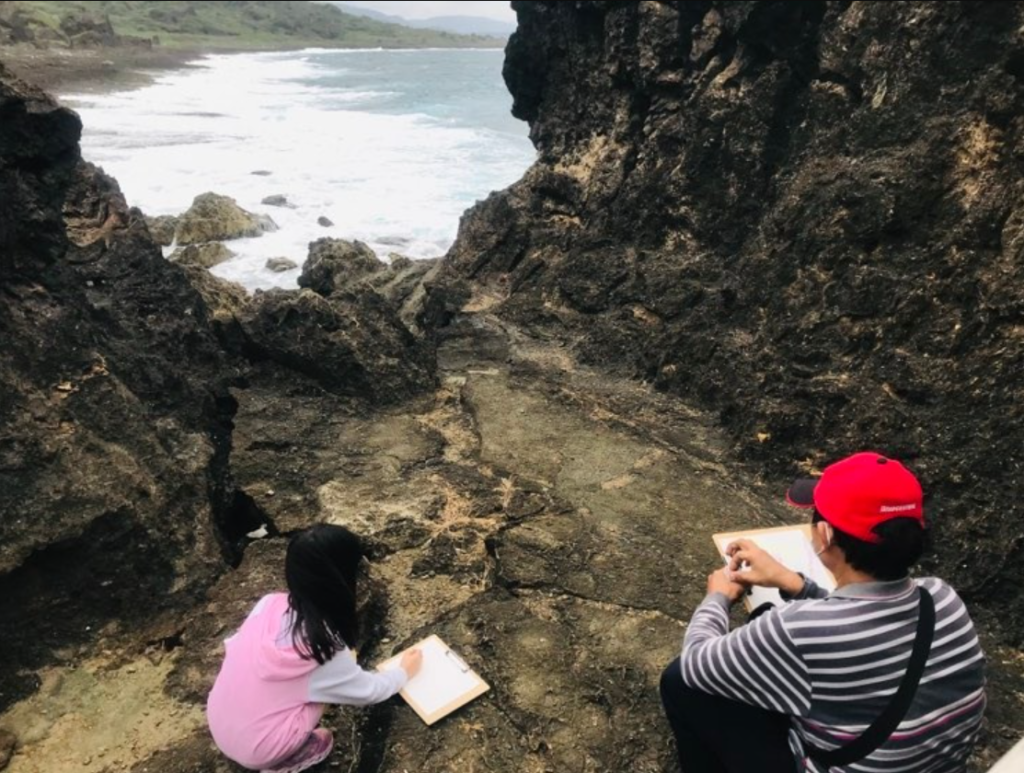
The Interpretation and Education Section of the Kenting Management Office says that in the past, people couldn’t deeply engage with natural landscapes after walking in nature and listening to guided tours. “Reading the landscape” allows for a deeper understanding through direct observation and recording, internalizing and sharing scientific knowledge, and enhancing sensitivity to the ecological environment.

This year’s first event is in the Longkeng Ecological Protection Area, which features dense coastal forests, low and creeping beach plants, and spectacular coastal coral reef landscapes, along with the waves generated by the winter’s down-mountain winds, making it an ideal site for the activity.
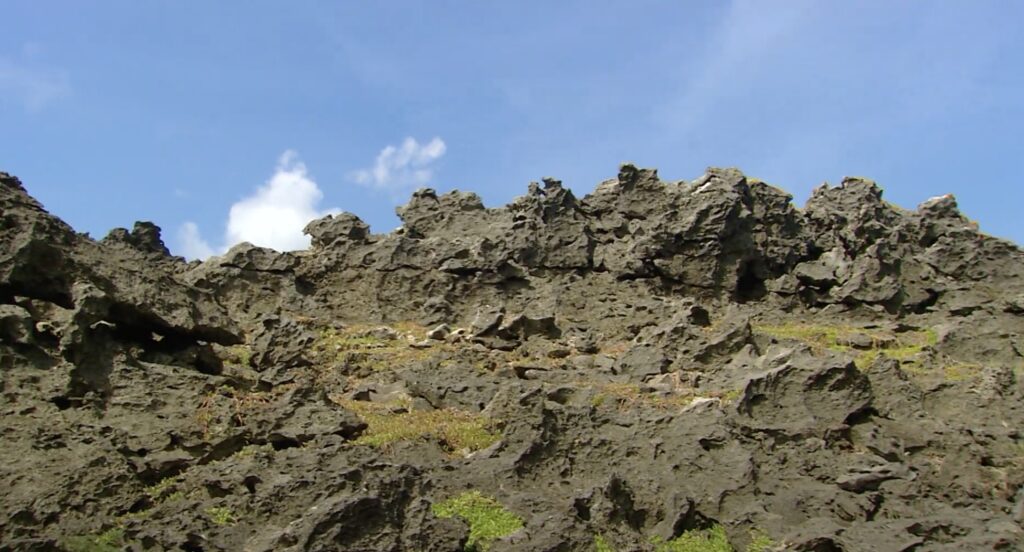
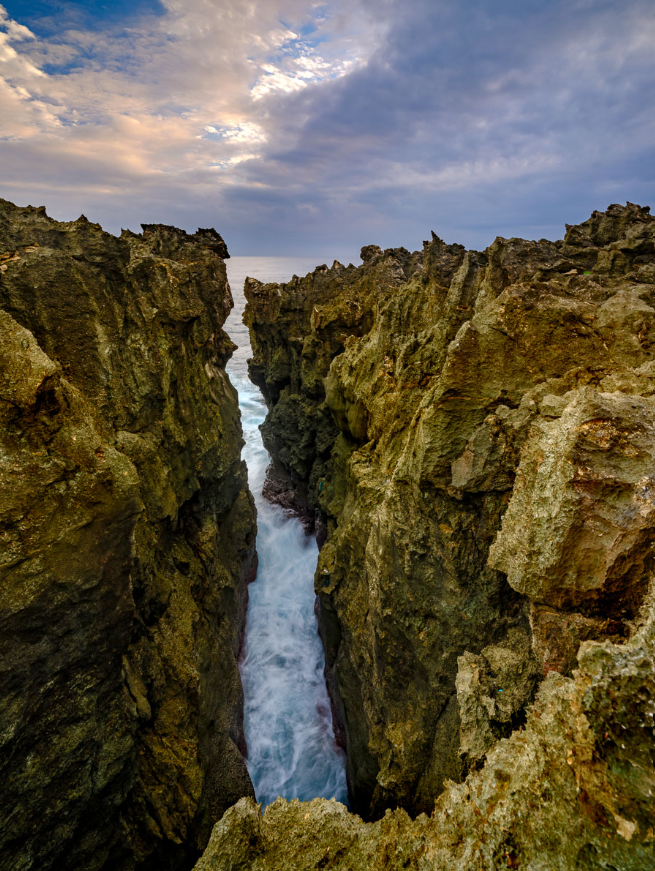
The Longkeng Ecological Protection Area, located at the southern cape near Eluanbi Park and the southernmost point of Taiwan, is known for its coral reef terrain, continuous fringing reefs, towering coral reef limestone platforms, and cliff landscapes, formed under the influence of wind, waves, and other external forces.
Visiting Longkeng in winter is especially spectacular, with the northeast monsoon downslope winds stirring up huge waves, giving a sense of awe. The coastal plants here, adapted to bare rocks, sea salt, strong winds, drought, and temperature variations, include species like Lumnitzera racemosa, Osmanthus insularis, and the white-haired coastal plant Tournefortia argentea.
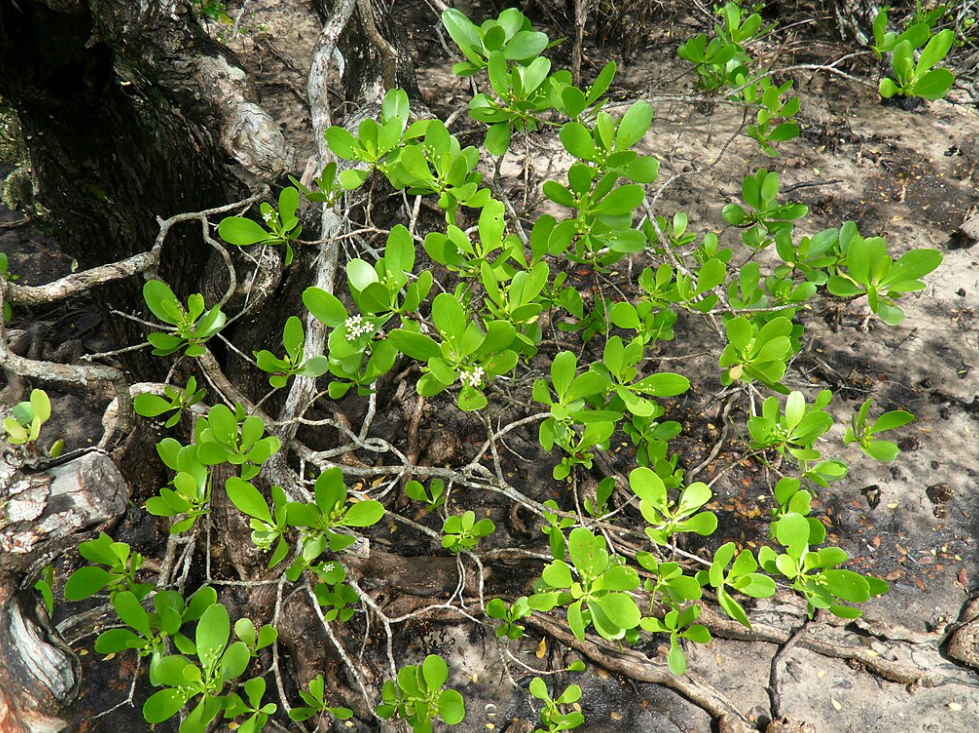
Lumnitzera racemosa (Black Mangrove)
Lumnitzera racemosa (Black Mangrove): This species is a mangrove tree found in coastal and mangrove environments, characterized by its dense, dark green foliage. It typically has thick, leathery leaves and may produce clusters of small, white flowers. Lumnitzera racemosa is adapted to saline conditions and often found in coastal regions of the Indo-Pacific, and in Kenting National Park.
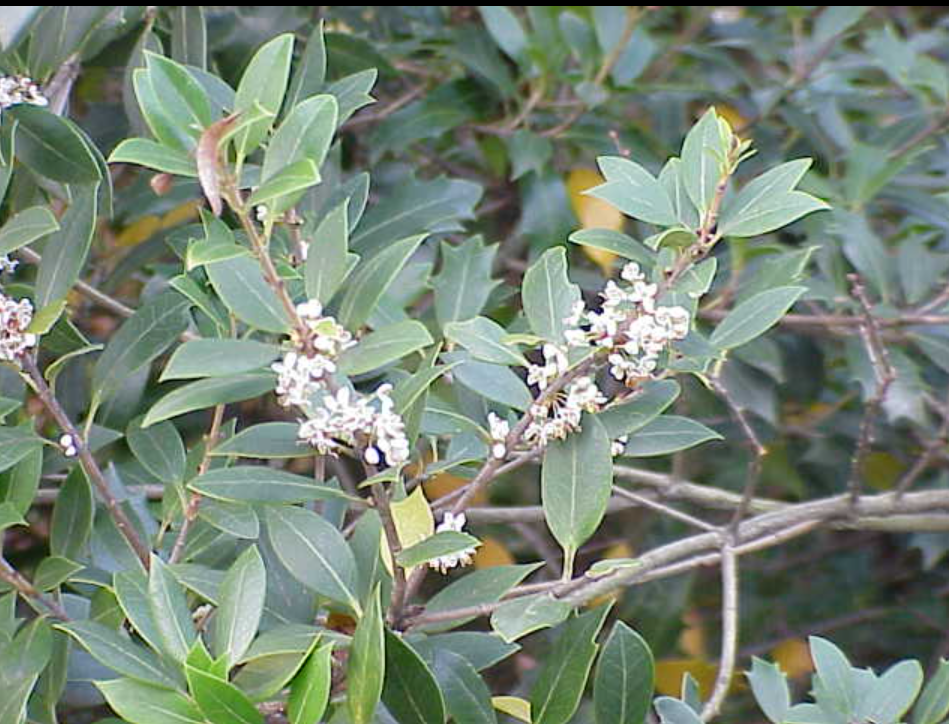
Osmanthus insularis
Osmanthus insularis, a species native to Taiwan, is part of the Oleaceae family, which also includes olives and jasmines. This plant is particularly noteworthy for its resilience and adaptability to harsh coastal environments in Southern Taiwan.
In its native habitats along the coastlines of Southern Taiwan, this plant plays a significant role in preventing soil erosion and providing habitat for various local fauna. Its ability to thrive in salty and dry conditions makes it a key component in stabilizing the coastal ecosystems.
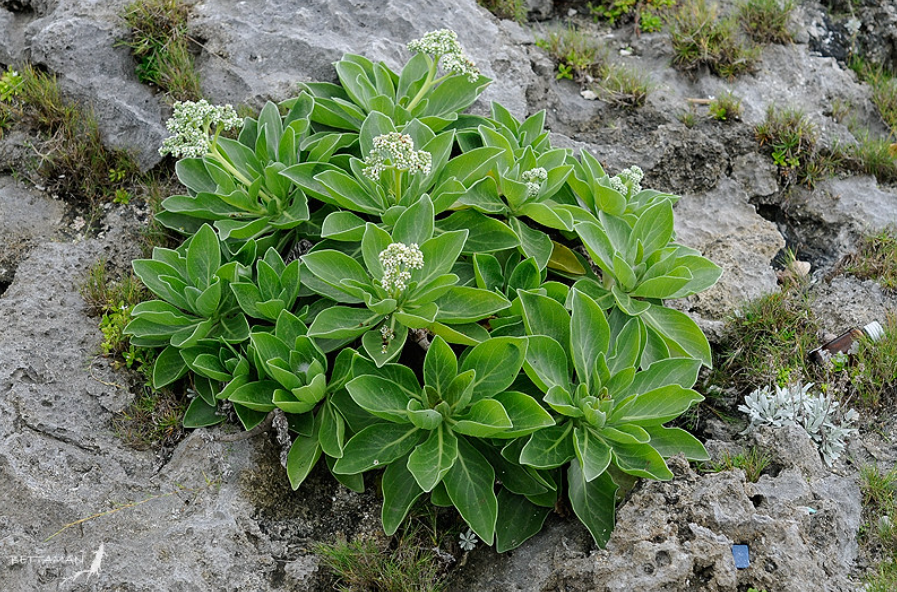
Tournefortia argentea, commonly known as sea heliotrope or tree heliotrope, thrives in the coastal regions of Southern Taiwan. Adapted to withstand harsh seaside conditions, it often grows in sandy soils, tolerating high salinity, strong winds, and intense sunlight. This hardy shrub is characterized by its silver-gray foliage, which helps reflect sunlight and conserve water in its arid environment. Its presence along the coastline plays a crucial role in stabilizing sand dunes and providing habitat for local wildlife.
At the event site, paper, crayons, and clipboards are provided. After observing, participants draw the landscape before them. Upon completion, they enjoy a local-flavored afternoon tea prepared with community ingredients. Those who can analyze the landscape based on their drawings and the information from the guided tour will receive a small gift. The event has two sessions on January 27th and February 24th, and registration is available on the official website.