
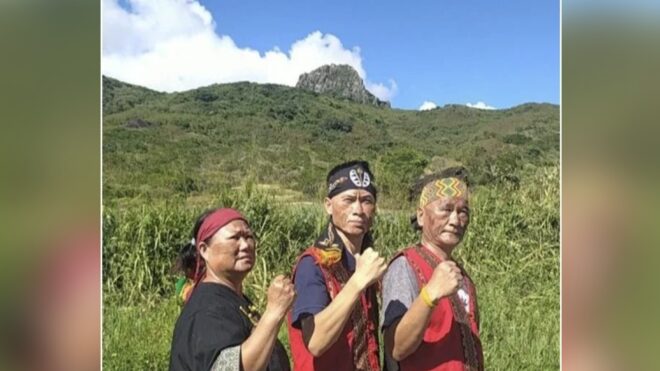
The descendants of the Pingtung Kenting Sheding Paiwan Tribe’s Gueizai Lushe have missed the government’s four announcements for registering as flatland mountain compatriots, making it impossible to regain their indigenous status. They’ve been living as “fake Han Chinese.” Fortunately, the Constitutional Court ruled it unconstitutional at the end of last year and mandated changes to be made within three years. While achieving justice for their identity, local historians and cultural workers are now launching a cultural revival campaign. The newly formed Native Language Revival Association will incorporate elements of cultural innovation, offering programs tailored to modern audiences, introducing the nearly forgotten “Red-Faced Warriors” to the world.
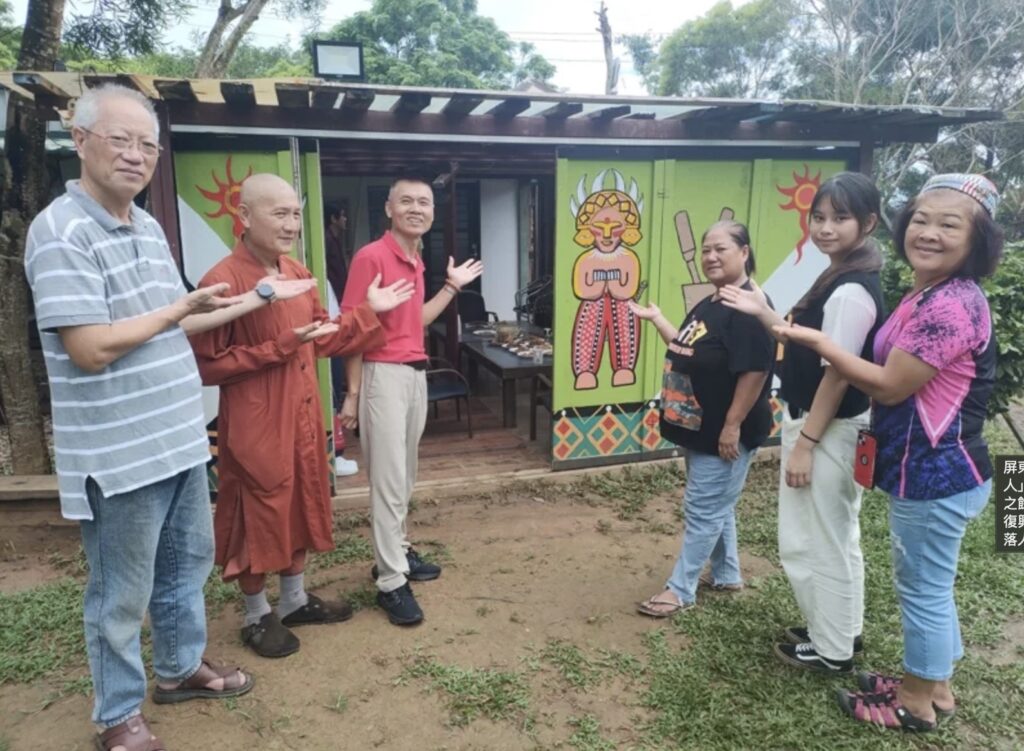
Located at the southernmost tip of Taiwan, the descendants of the Kenting Sheding Paiwan Tribe’s Gueizai Lushe once held household registrations as “settled indigenous people” during the Japanese colonial era. Some of their descendants missed the government’s four announcements for registering as flatland mountain compatriots between 1956 and 1963.
Due to the registration-based system under the Indigenous Peoples Basic Act, they were denied registration at the Hengchun Household Registration Office three years ago. Frustrated by the restrictive use of bloodline for registration, pro bono lawyer Chen Wuzhang filed a lawsuit with the Kaohsiung High Administrative Court to restore their indigenous status, which was rejected.
It wasn’t until the Constitutional Court ruled it unconstitutional in October last year that justice was achieved, along with a three-year period for legislative amendment.
Even though our ancestors were Paiwan, we were legally categorized as Han Chinese!” said 92-year-old Pan Laihua from the Gueizai Lushe. Some people may think they are pursuing specific indigenous benefits such as elderly pensions available from the age of 55. In reality, their desire to reconnect with their roots is simple.
They don’t want to carry the regret of being labeled as “fake Han Chinese” to their graves, which would be a great disrespect to their parents and an act of filial impiety. As for 52-year-old Zhang Xiaofeng, he carries Paiwan blood in his veins but lost his indigenous status due to missed registration deadlines. Even within a single family, different legal statuses among members don’t make sense. Currently, there are approximately 70 people in the area seeking to restore their indigenous identity.
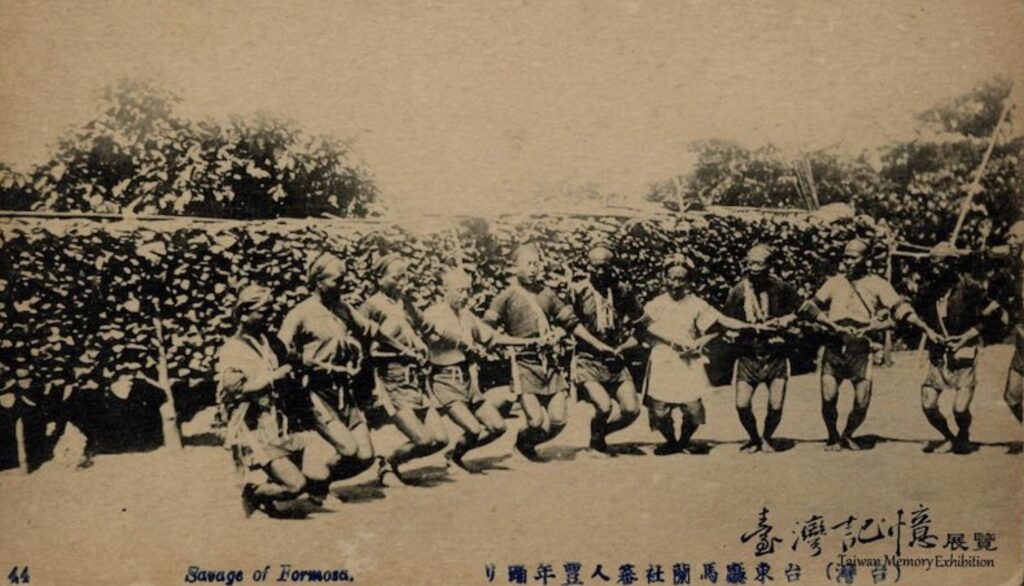
The dance of the Gueizai Lushe Paiwan Tribe circa 1910 (source)
Zhang said that while achieving justice for their identity, they have also embarked on a mission to reclaim their ancestral culture. With the enthusiastic support of local cultural and historical workers like Nianji, they have been gradually recovering long-lost cultural artifacts such as totems, stone coffins, red stones, and more. Since two years ago, they have revived their ancestors’ most important Turtle-Headed Ritual. Due to the long-term influence of Han culture, their descendants no longer speak their native language. Last month, the Society for the Revival and Development of the Indigenous Language in Sheding was established, and they have started offering courses while developing tribal tours. During a visit by Japanese entrepreneur Okawara yesterday, he suggested incorporating elements of cultural and creative industries and launching new and appealing travel experiences for modern people.
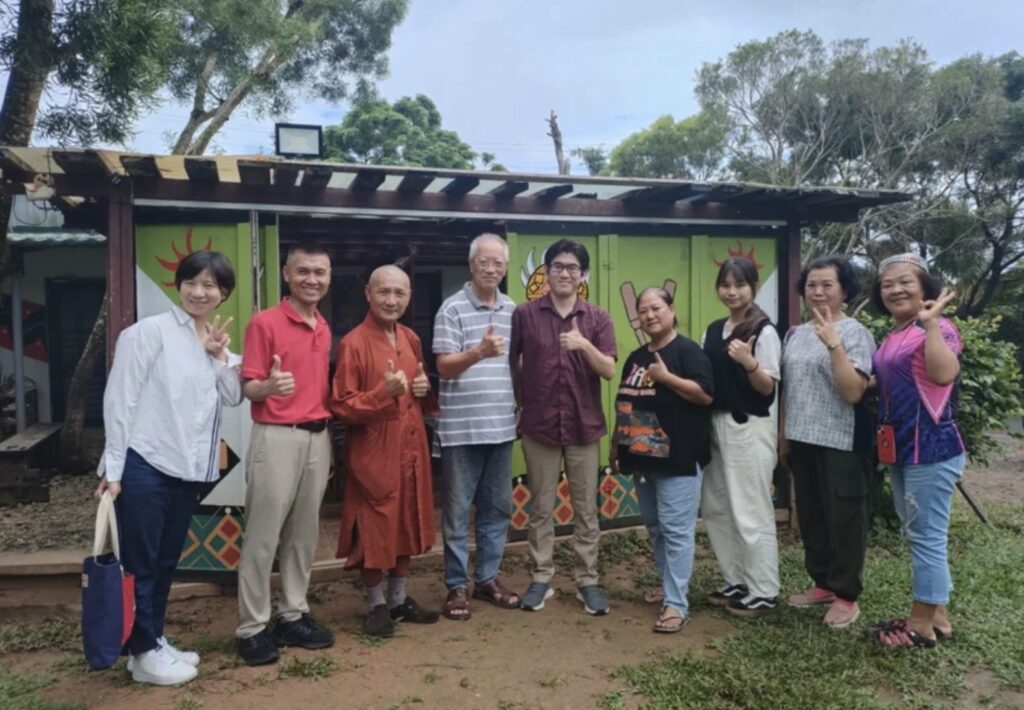
Nian Jicheng stated that the Public Television Service (PTS), through its program “Seqalu” released two years before the 1867 “Rover Incident” on the Pingtung Hengchun Peninsula, sparked interest in exploring the cultural history and geographical landscapes of the Hengchun Peninsula.
According to historical records, the Kucapungane Society was responsible for killing American sailors, which later led to the signing of the “Southern Cape Alliance” by indigenous tribes under threat of American military action.
The expedition’s American general described them as awe-inspiring “Red-Faced Warriors.” The conflict was a result of the closed societal context of the time. At its peak, the Kucapungane Society had five communities and played a significant role in modern Taiwanese history, but it was engulfed by the tides of history and faced the threat of disappearing.