
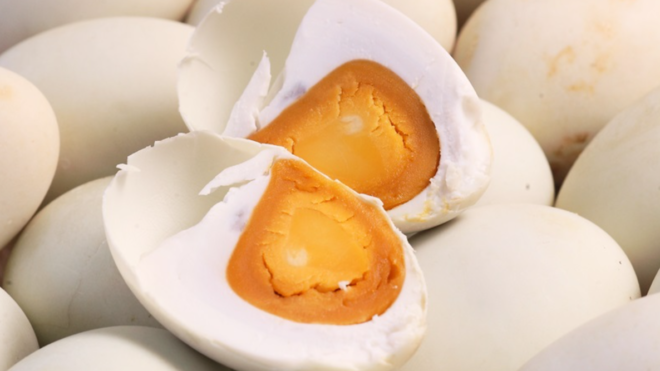
“In the early days around Hengchun and Checheng, rice was widely cultivated. After harvesting, farmers raised ducks to eat pests in the rice fields. Duck eggs were a ‘byproduct’ of this pest control method. People from the olden times would preserve them by making salted duck eggs. Checheng’s Pan Family Farm 潘氏農場 retained the free-range breeding method, gaining a notable reputation. The sweet and savory taste of their products is unforgettable.
Pan’s Farm was established in 1974 and is the pioneer of Sichong Creek’s Hongren duck eggs. After 30 years of expansion, the farm now produces Hongren duck eggs, hot spring preserved eggs, and hot spring salted eggs. The farm also offers related products such as Acerola cherry juice, jam, and fruit wine. In collaboration with the National Marine Biology Museum, they have introduced ecological explanations of the farm and DIY tutorials for making hot spring salted eggs.

The Hongren duck eggs produced by Pan Family Farm are a very famous souvenir from Checheng, Pingtung. They are renowned because they are cultivated and made in a traditional way, resulting in a fragrant yolk.
At 3:30 in the morning, before dawn, the owners of the Pan Family duck farm, Pan Xuhuang and Zheng Xiuhui, have to get up in the dark to collect eggs from the duck house. The brown ducks they raise mostly start laying eggs around midnight. If they don’t collect the eggs during the early morning hours, by 4 a.m., when the ducks become active, they can easily step on and break the fresh duck eggs. Cleaning up the duck house would then become a tedious task.

However, shortly after collecting the duck eggs and catching up on some sleep, by 8:30 a.m., it’s almost time for the ducks to go out and move around again. Pan Xuhuang opens the duck house, and the highly gregarious ducks, in groups, head towards their usual activity spot at the confluence of Damei Stream and Sichong Stream. As they waddle into the water, they seem as joyful as if they’ve found a treasure, frolicking happily.
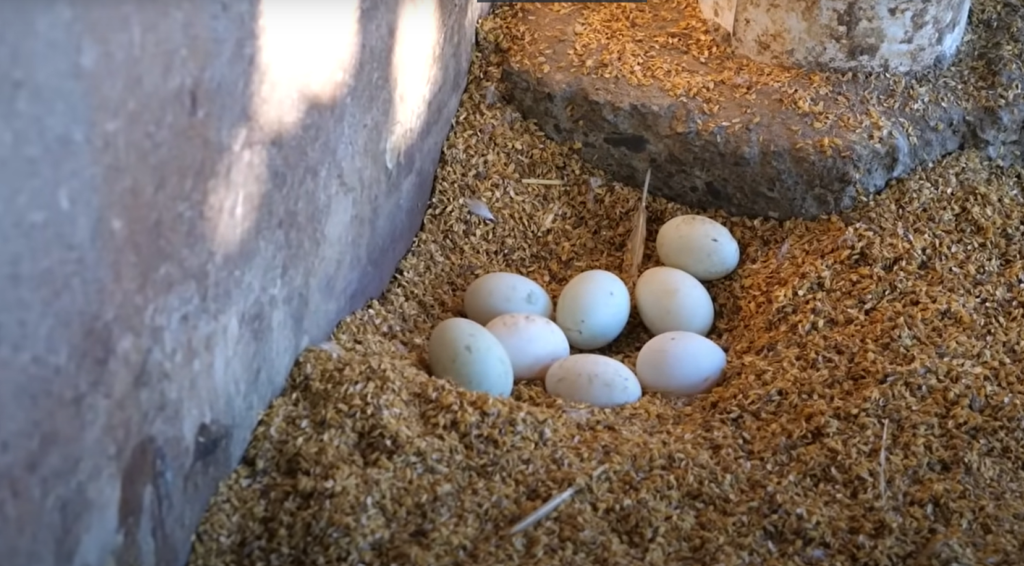
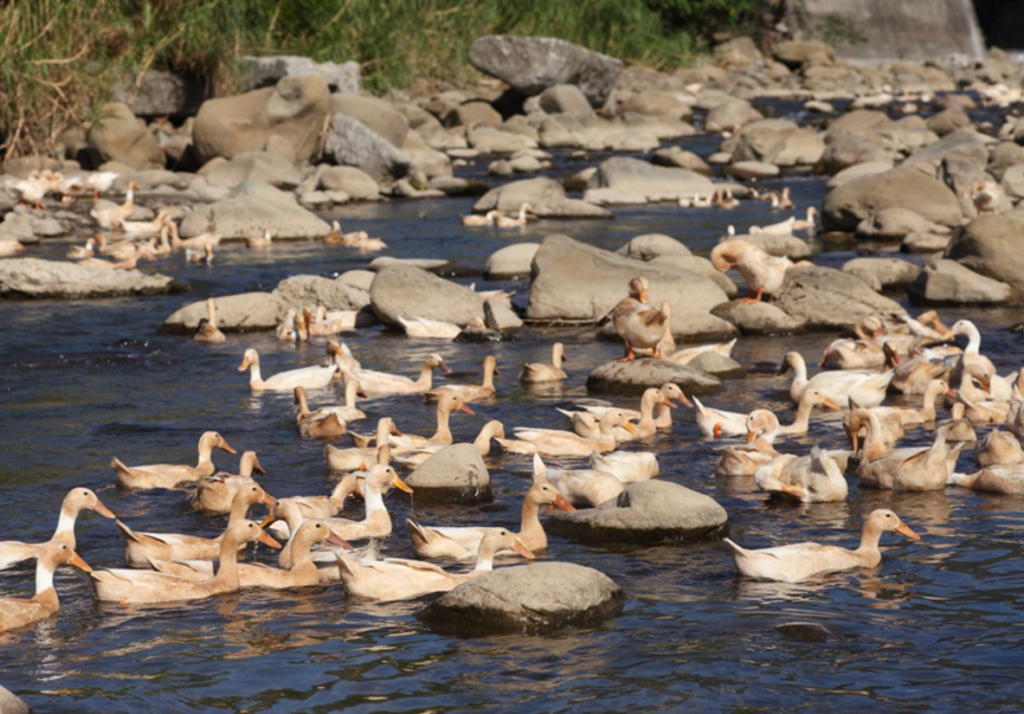
While most ducks are raised in still waters of ponds, the brown mallards of Pan’s farm are raised freely in streams.
Pan Xuhuang’s family began raising ducks in 1974 (Year 63 of the Republic of China). About twenty years ago, considering his aging parents and being the only son, he decided to quit his job in the north and return to his hometown with his wife.
In order to happily raise ducks and minimize pollution to the water sources, he keeps the number of ducks at around 1,500 and lets them roam freely in the streams every day.
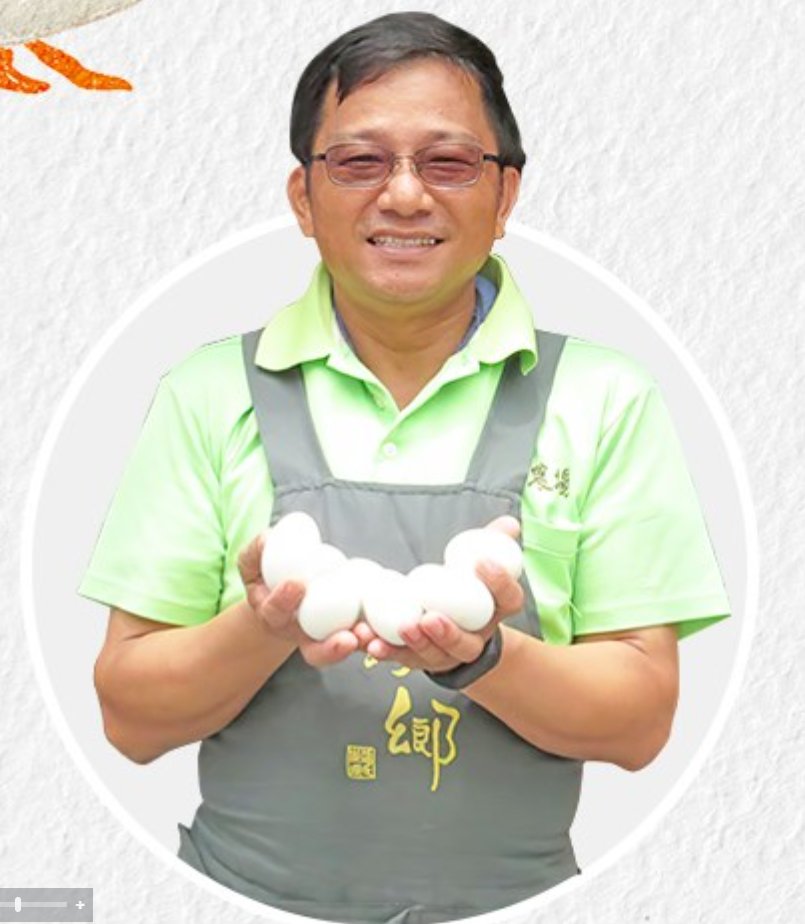
潘旭煌 Pan Xuhuang
In the past, ducks were raised through natural free-range methods. Ducks, being clean-loving and omnivorous birds, would bathe themselves and forage for natural green algae, mollusks, and surrounding grasses in the streams. Due to the natural β-carotene present in green plants, coupled with fibers not found in regular feed, the duck eggs produced by these free-range ducks would take on a natural orange-red hue.
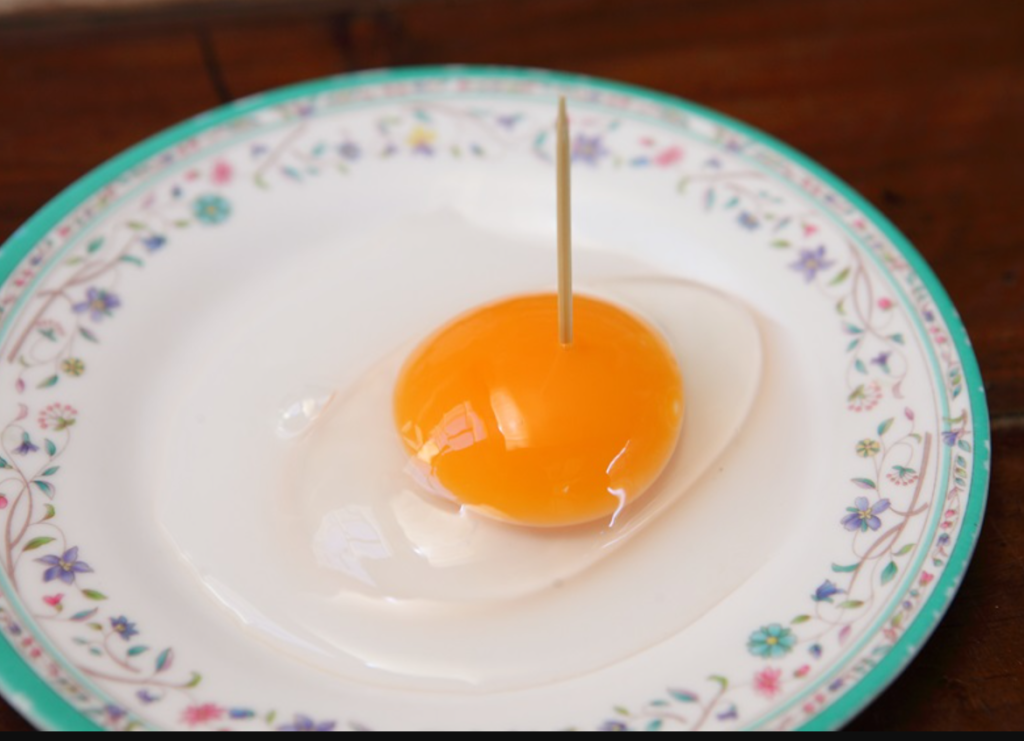
Natural free-range duck eggs have high protein content and the yolk is thick, so even when poked with a toothpick, it doesn’t immediately break apart.
At that time, he named the duck eggs from his farm ‘Hongren Duck Eggs’. Furthermore, the Sihchong Creek’s hot spring water is low in bacteria and rich in trace elements and minerals. The red soil in the area is semi-sandy, slightly sticky but not overly so, and unlike clay, it doesn’t have too much organic matter, making it suitable for coating and curing the duck eggs.
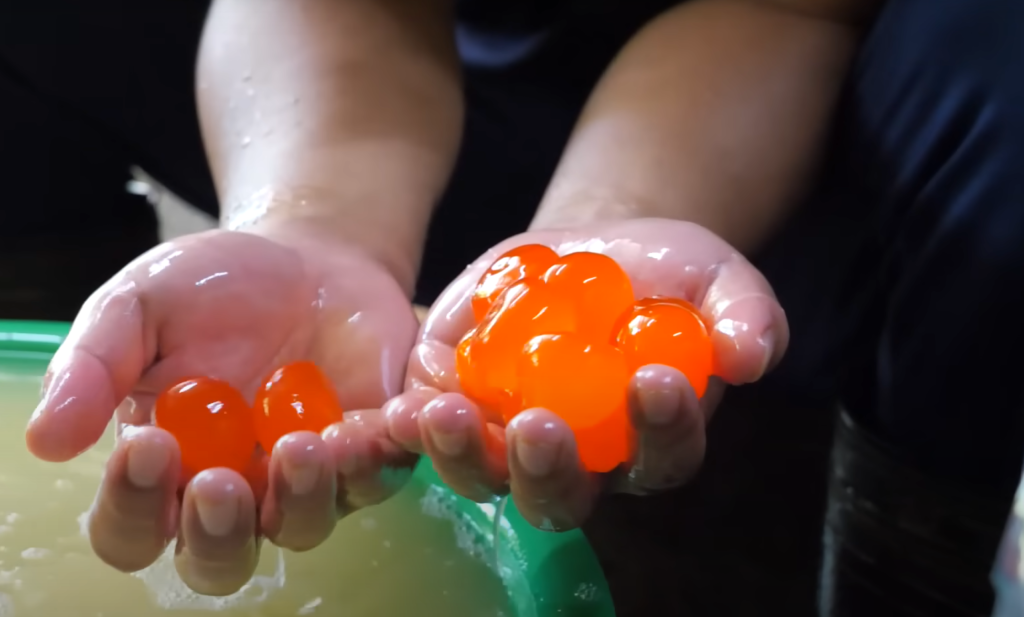
Pan Xuhuang says that for duck eggs to be delicious and nutritious, they should be raised in a natural free-range environment, allowing them to exercise and forage for natural food. This way, there’s no need to use antibiotics. Nowadays, many processing factories produce salted duck eggs by soaking them directly in salt water for about twelve days as a quick method. Although this shortens the curing time, the taste is overly salty.
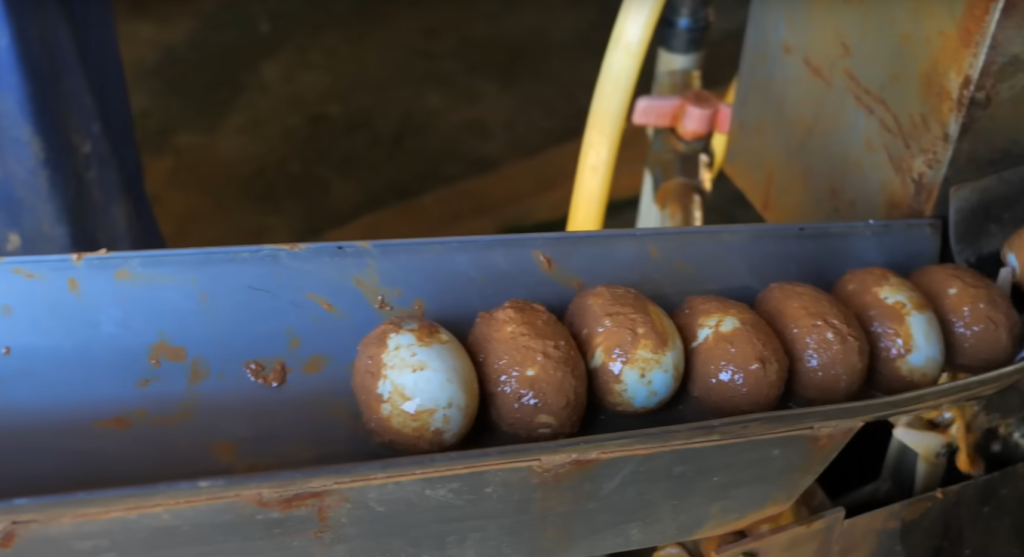
herefore, they still maintain the traditional method of curing by wrapping the eggs in red clay mixed with saltwater. The salting process takes longer, but the flavor and texture are much better. As a result, Checheng’s Hongren salted duck eggs have become widely popular and are now a major local specialty.
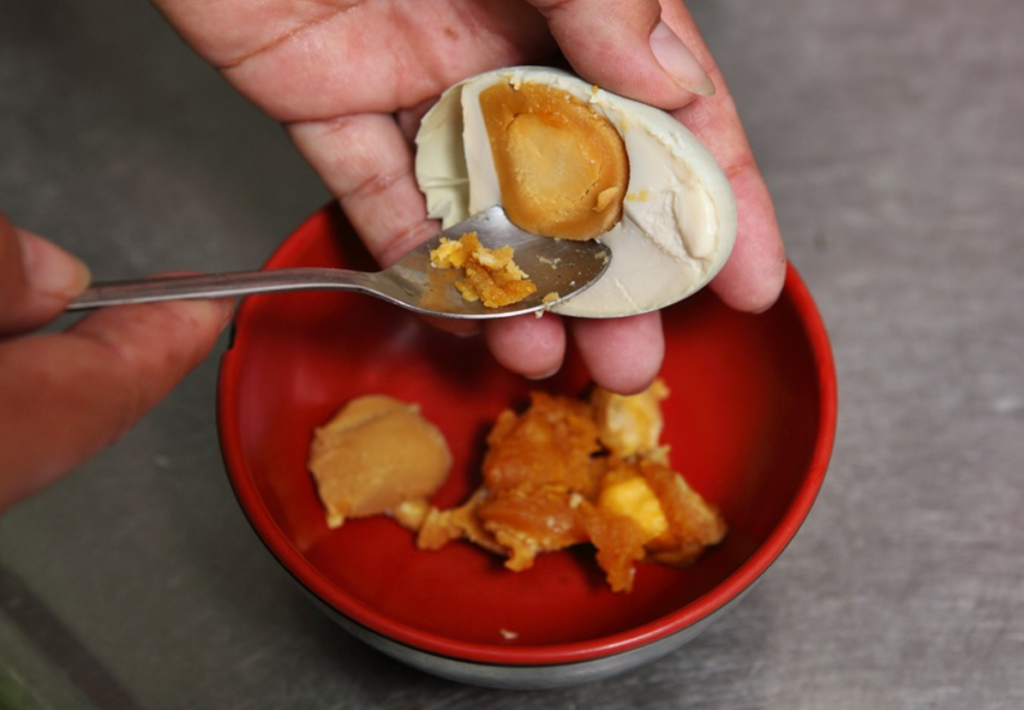
Process of preparation
STEP 1
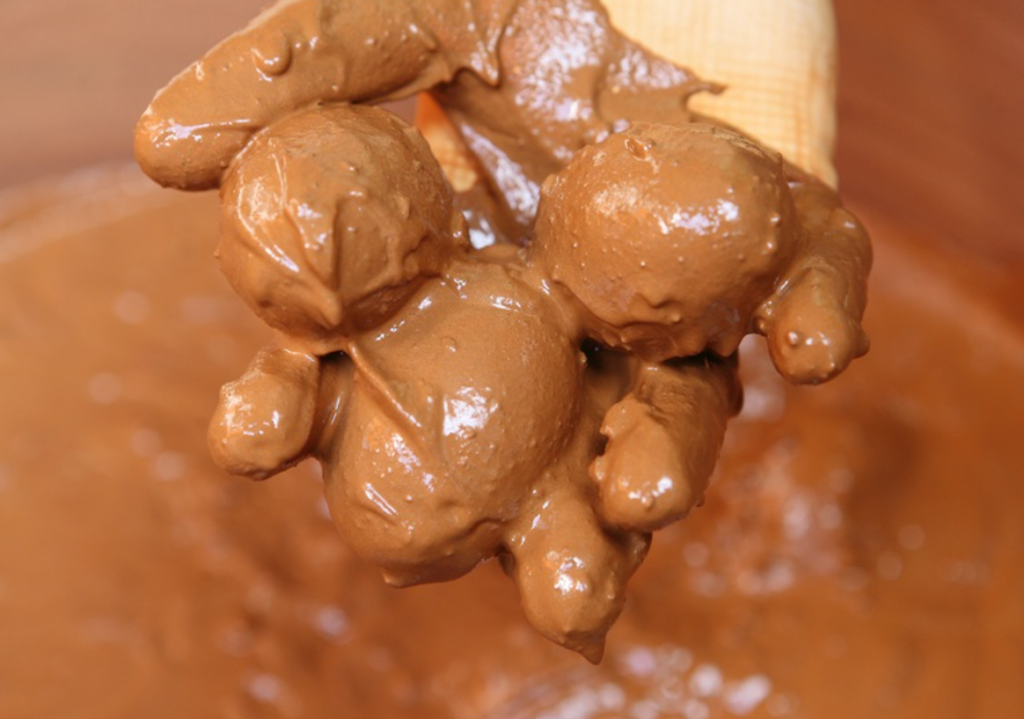
Place fresh duck eggs in a mud mixture prepared with salt, red clay, and spring water. Evenly coat the eggs and let them sit for 20-25 days to allow the salty flavor to permeate, resulting in raw salted duck eggs. They can also be pre-ordered from regular markets and stores.
STEP 2
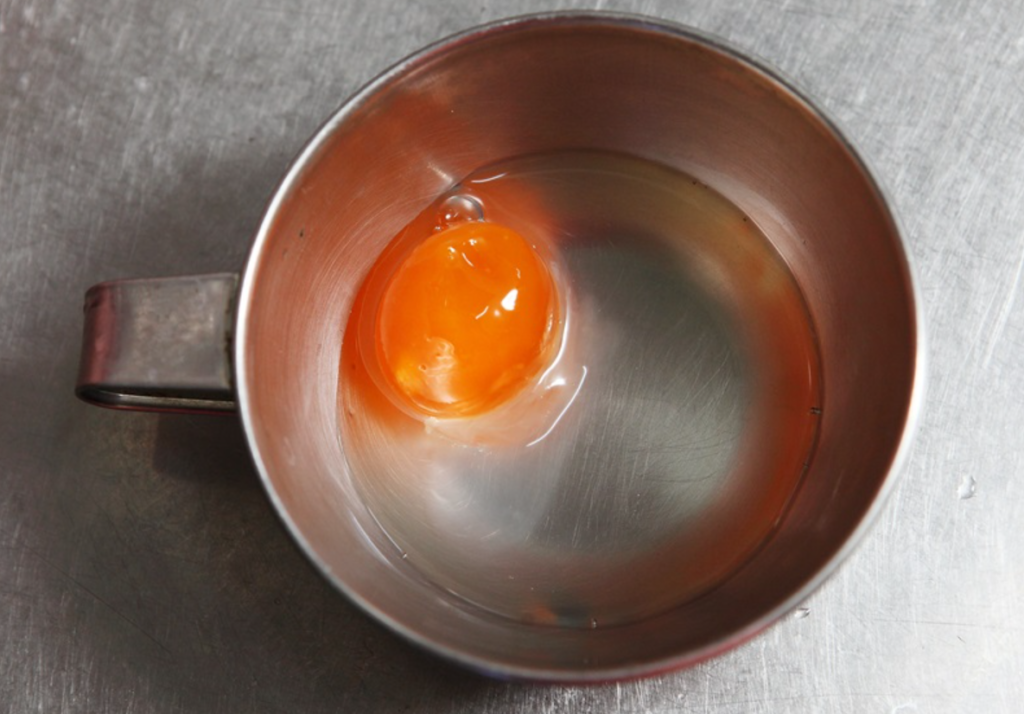
During the pickling process, the sodium in the salt causes the egg yolk and egg white to release water. As a result, the pickled egg yolk becomes solid due to dehydration, while the egg white turns liquid. The solidified egg yolk is then directly used as salted egg yolk in pastries available in the market.
STEP 3
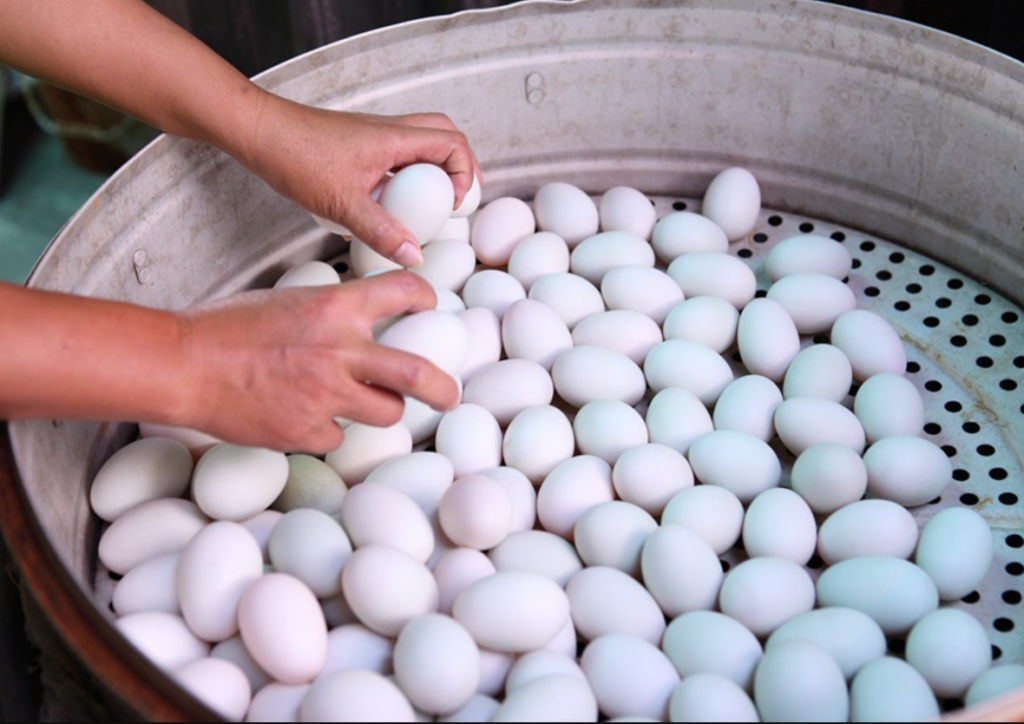
The pickled salted duck eggs are still raw. After washing off the red clay, place them in a large steaming basket and steam for about two hours to get the salted duck eggs we commonly eat.
Where to eat & buy these eggs while in Checheng?
One of the ways would be to stop in the Checheng’s Fuan Village, and find a Fu’an temple, and park nearby. Then, you will see a big local delicacy market, which besides the Hongren Duck Eggs sells also another local delicacy called Green Been Ice (綠豆蒜), and a selection of locally grown fruit.
However, if you want directly explore the farm, and learn more about process of growing ducks, and by directly – go visit the farm directly, here is the map:
Visit Pan’s Farm in Sihchong Creek for authentic Hongren duck eggs. See ducks roam freely and enjoy natural salted eggs. Try their famous cherry products and cool workshops. A true taste of local life!