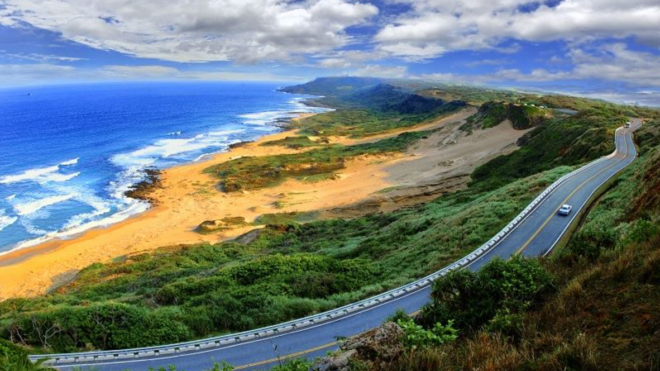
The nearby areas are predominantly coral reefs. However, uniquely at this location, the geological strata consist of a mixture of red soil and sand. Over time, this has been eroded by rain and wind, serving as a source of sand. During the summer rainy season, rainwater collects in depressions, carrying sand along the terrain and flowing towards the ocean, forming sandy rivers. The white sand slides vertically from the plateau edge, dropping about 70 meters to the coast to form sand waterfalls.

In winter, when the northeast monsoon prevails, the sand is blown up the cliff slope to the top of the cliff. This counteractive transport action results in the unique landscape of Fengchuisha. The sand dunes in this area stretch continuously for a total length of 1,500 meters and are about 200 meters wide.
They are divided into two strips, north and south, developing in a belt-like manner, extending from northeast to southwest, and distributed along a narrow and long depression reaching the plateau behind the Sail Rock.
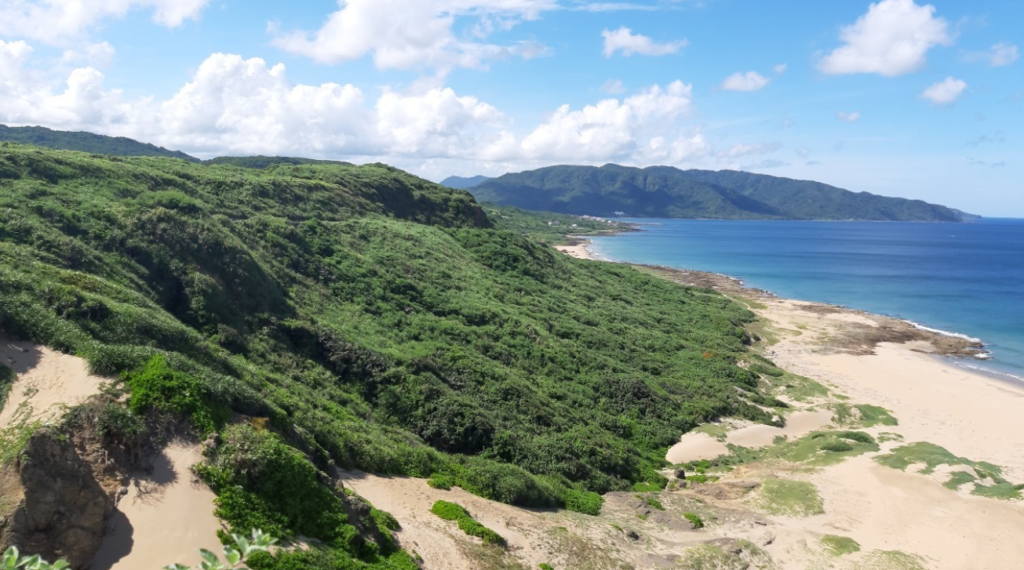
Due to the opening of the Jia-E highway and the afforestation efforts of the Forestry Bureau, which involved planting Casuarina trees, the flow of the sand source has been obstructed. Gradually, creeping plants have covered the area.
The scenes from the past, where sand and gravel filled the air, reminiscent of being in the vast Gobi Desert, are no longer seen.

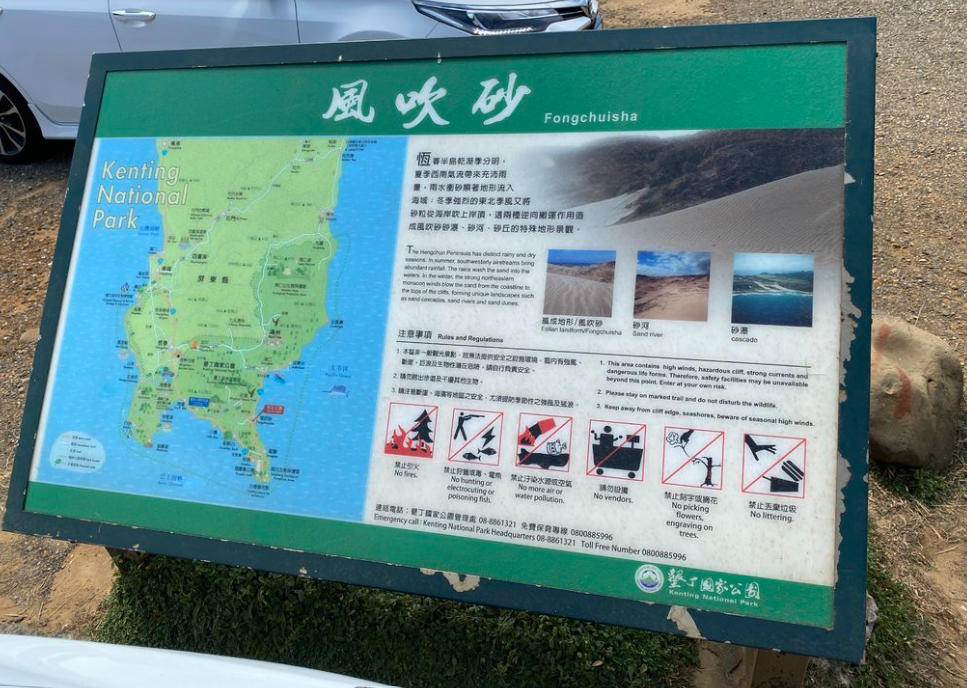
Fengchuisha may seem deceiving at first glance, but its ever-changing landscapes are truly a miracle. The Hengchun Peninsula has a clear distinction between wet and dry seasons. During the summer, the southwest airflow brings abundant rainfall, which erodes the terrain and marine areas.
In winter, the strong northeast monsoon blows the sand grains from the coast to the top of the cliffs, forming the unique landscapes of Fengchuisha, such as sand waterfalls, sandy rivers, and sand dunes. Wind and rain foster this peculiar love affair, where the wind and sand play their parts, witnessing a beauty that’s both simple and profound.
Sand, with the restless nature of a gypsy, leaves a daunting impression as it drifts away from the Longpan grasslands and the towering cliffs.
Yet, Fengchuisha, with its gentle sandy terrain, soothes the traveler’s heart. The sand that flows with the wind sketches the softest of lines. The wind captures the tales of mountains and seas in the ripples of the sand.
As you walk step by step towards the sea and your feet sink into the sand grains, you realize the resilience behind its gentle touch. While it may sway with the wind, it never dances at the whim of any passerby. Each step is an effort.
Legends say that to master lightness in martial arts, one must constantly walk on sandy ground. Perhaps only by truly understanding the texture of the sand can one harness its enveloping force!
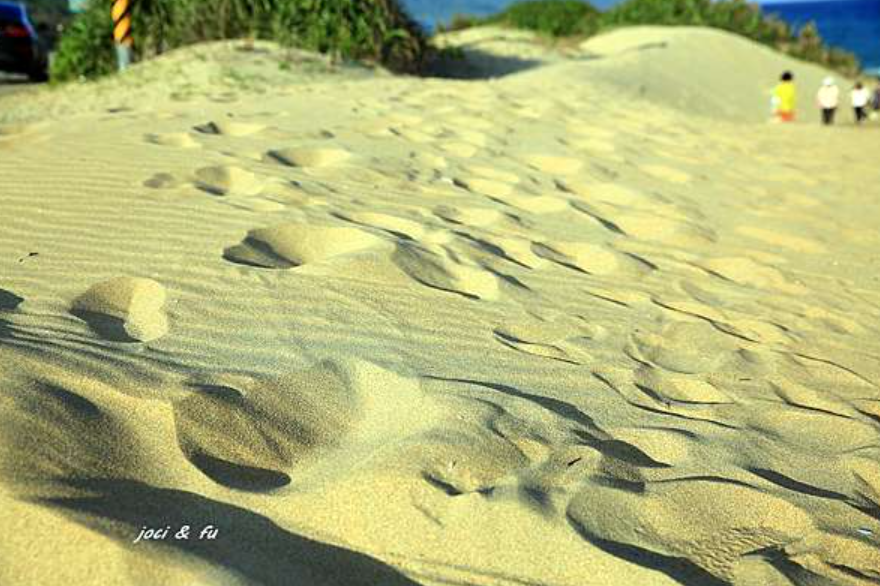
The landscape here is a masterpiece of nature. Wind and water interact, moving sand grains back and forth. Water directs the sand into the vast ocean, and during the northeast monsoon, the ocean returns the sand.
The sand is an adaptable traveler, leading to the unique spectacle of a desert by the sea. Regrettably, the construction of roads has severely disrupted the natural balance of wind and sand, diminishing its former grandeur.
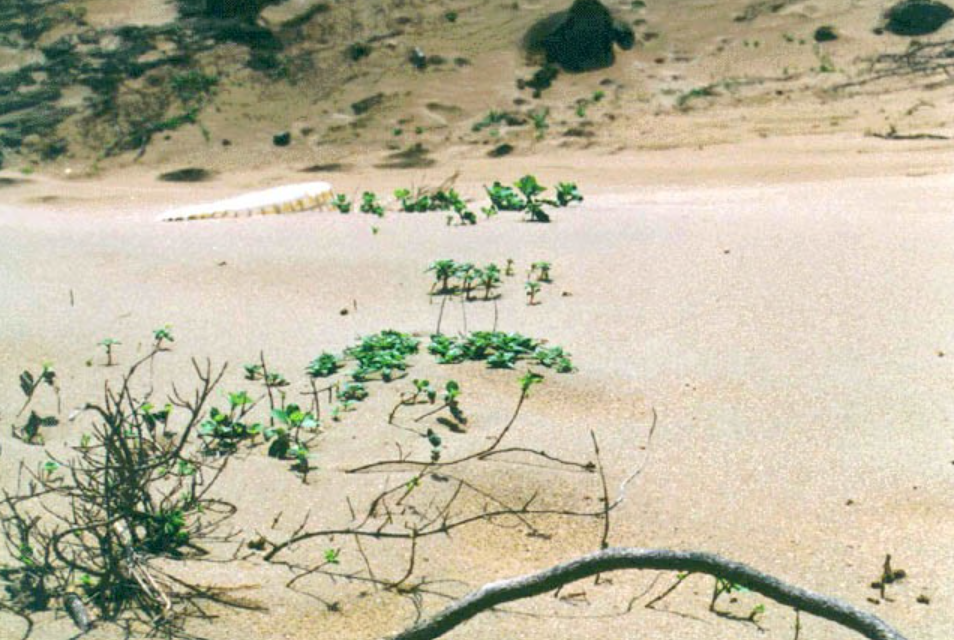
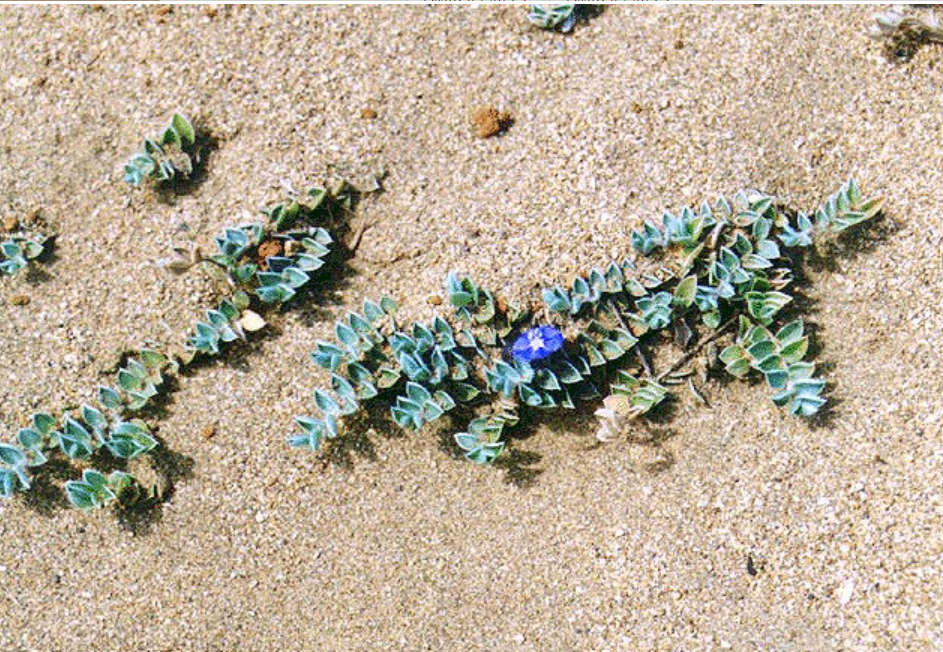
In such a harsh environment, the Morning Glory vine is ever-present, with each segment sprouting roots, its tool for territorial expansion. Seaside plants like bindweed and sea thistle also contribute to a vibrant coastal garden. The beauty of seaside flora is best appreciated with the backdrop of the sound of the waves.
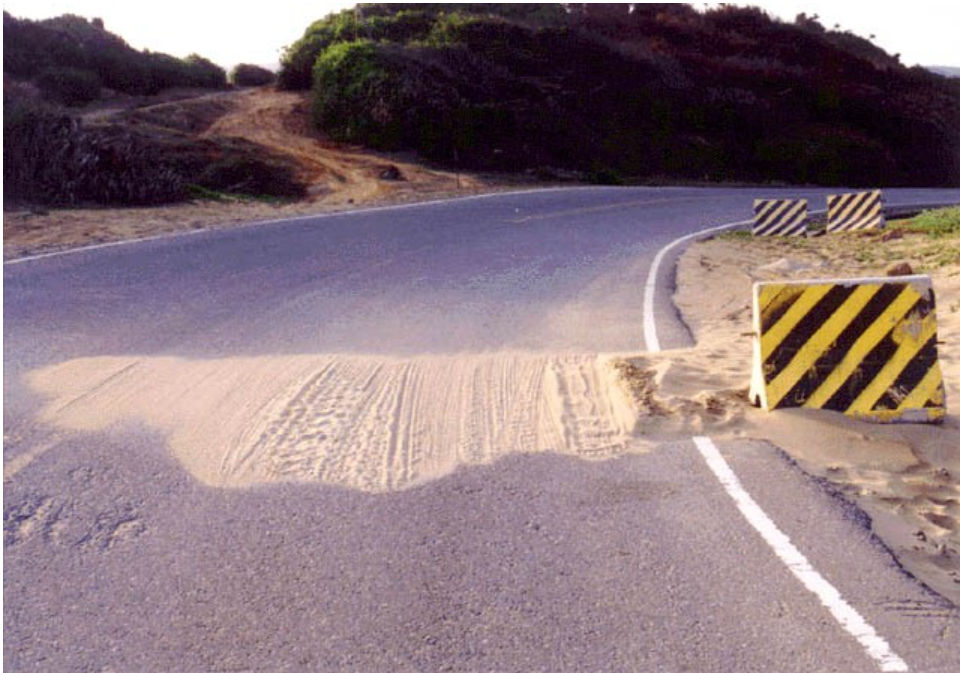
On this apparently, old photo from this source, we can see how sand before was allover the road
The best time to appreciate Fengchuisha is in the winter. When visiting during this season, one can see the entire area covered in sand patterns and dunes of various geometric designs. Standing on the Ping’e Highway, the ferocious downslope winds blow fiercely, carrying with them sand and stones. The sensation of sand hitting you feels prickly, offering a unique experience.
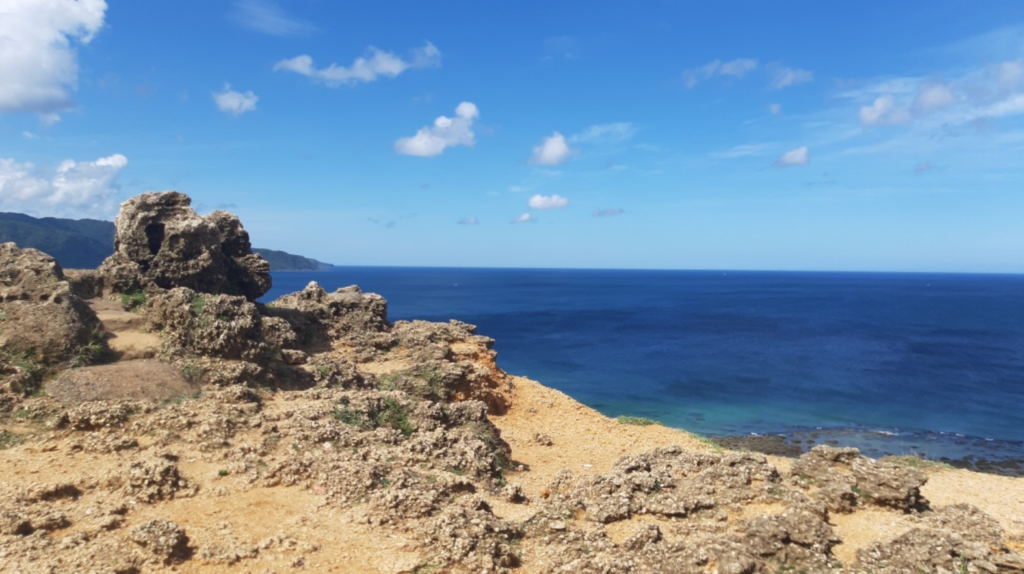
The rocks near Fengchuisha are constantly subjected to strong downslope winds carrying sand and stones, leading to severe weathering. The rock surface is full of holes, resembling as if it had been sprayed with machine gun fire.
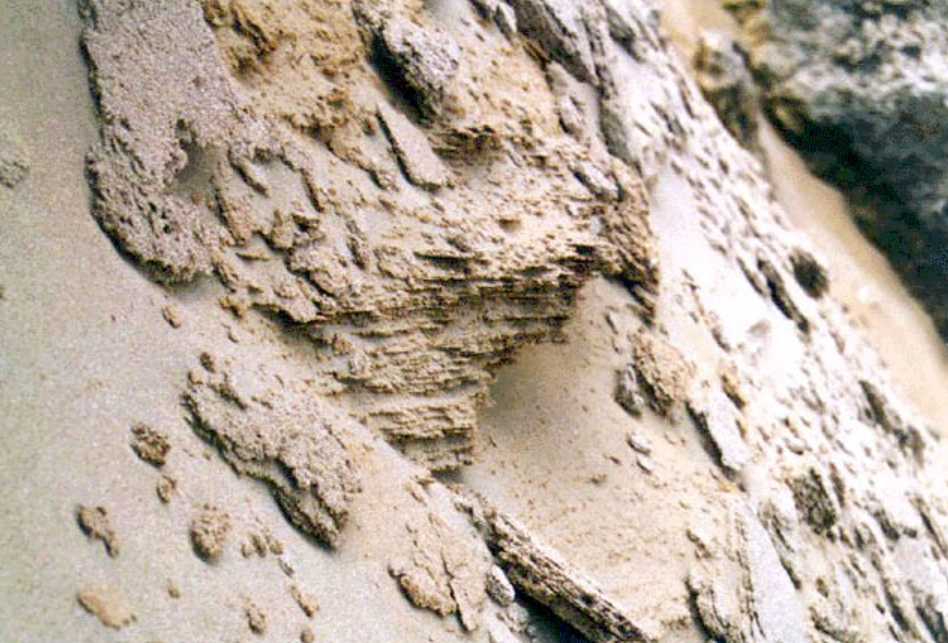
Furthermore, the sand grains in this area are coarse. Over time, these sand grains become compacted by rainwater and pressure from above, forming chunky blocks. The wind then weathers these blocks into various flat sand chunks. Upon closer inspection, they resemble layers of rock, which is astonishing.
The area near Fengchuisha, facing the Pacific Ocean, experiences strong winds throughout the year, mainly the downslope winds in the winter. Please be careful when driving in this region. The sand grains here are notably large and often mixed with small shells brought by the strong winds.
These powerful winds frequently create regular and aesthetically pleasing geometric patterns on the pristine sandy surface. The patterns change as time passes, so the designs seen at different times are always distinct, making one marvel at the magic of nature.

From a distance, one can gaze upon Jialeshui. During the day, the sun shines brightly, but at night, especially during a full moon, coming here to watch the moonlight sprinkle over the sea surface is a rare and memorable experience.
Fengchuisha (Windblown Sand) is windy throughout the year, and its geology is predominantly sandy. Retaining moisture in sandy soil is challenging, and for most of the time, the sand’s surface remains arid. Despite these conditions, one can still see some drought-tolerant plants growing here, often blooming with small flowers that are quite pleasing to the eye. Their resilience and ability to thrive in such conditions are truly admirable.