
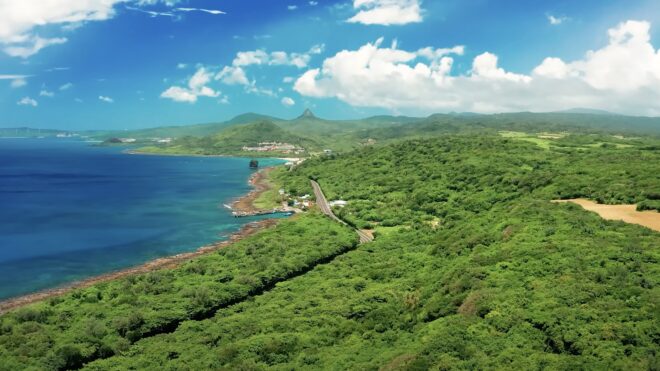
Banana Bay Ecological Reserve is located approximately 1 kilometer southeast of Sail Rock, with a northwest-southeast orientation in terms of terrain. The entire area is divided into two sections by Taiwan Highway 26. The northern section is bordered by the steep cliffs of the Longzipu terrain on the north side and Taiwan Highway 26 on the south side, stretching for about 1150 meters.
The width on both sides is approximately 200 meters, but it narrows to about 120 meters in the middle, covering an area of about 5500 square meters. The southern section extends towards the sea with Taiwan Highway 26 as the northern boundary, spanning approximately 650 meters in length and about 100 meters in width.
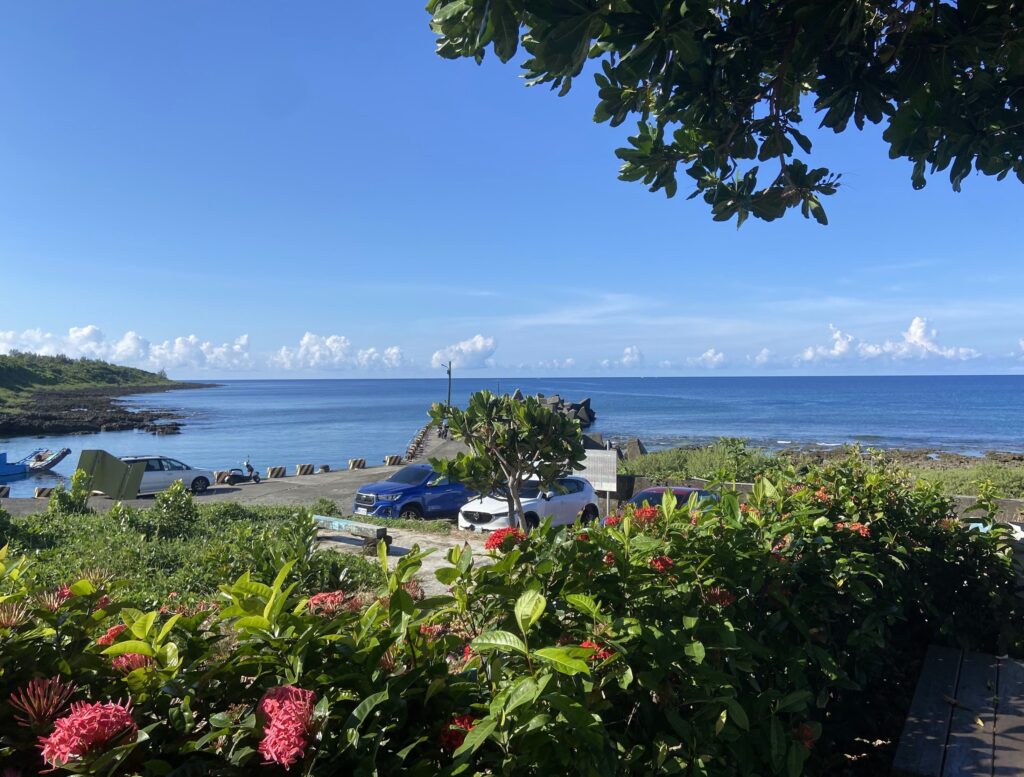
Banana Bay is a coastal area along the Eluanbi Peninsula within Kenting National Park, and among the three ecological reserves with different characteristics, it primarily focuses on the conservation of coastal forests.
In terms of terrain, the northern section consists of high-elevation coral reef rocks from the Pleistocene uplift, with numerous giant coral reef rocks visible throughout the area, creating a rugged and precipitous landscape.
Virtual 360° degree tour in Banana Bay Beach
Due to the influence of the Sand-Blown Structure Line, which runs through the Eluanbi Peninsula from northeast to southwest, sand particles are blown by the northeast wind towards the southwest, reaching areas like Banana Bay and Sail Rock. This creates magnificent sand river formations.
In the early days when Taiwan Highway 26 was first opened, these sand dune formations extended to both sides of the road.
However, they have since disappeared due to vegetation cover and reforestation policies in sand-blown areas. Nevertheless, remnants of sand dunes can still be seen among the rocks, and during the peak of the northeast monsoon, small-scale crescent-shaped dune formations can still be observed, demonstrating the geological and topographical characteristics of this area.
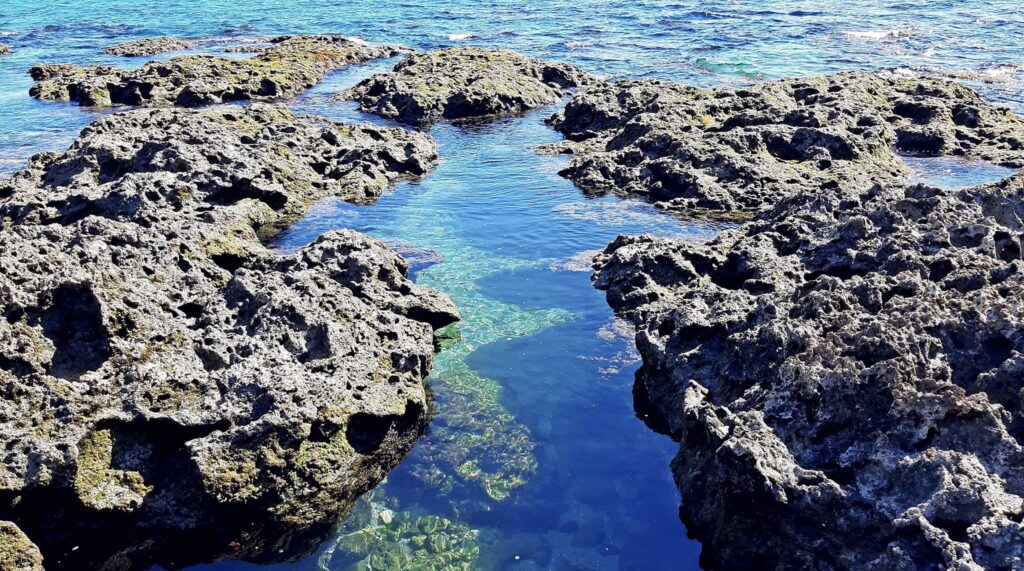
The southern section lies on Holocene marine terraces and extends from the highway towards the sea. On the approximately 100-meter-wide surface, modern alluvial layers cover the coral reefs from the Holocene, with a width of about 50 meters. The coastal area features a skirt reef terrain with a width of about 50 meters, interspersed with sea erosion gullies. These gullies contain coral skeletons, rocky fragments, and coarse-shell sand.
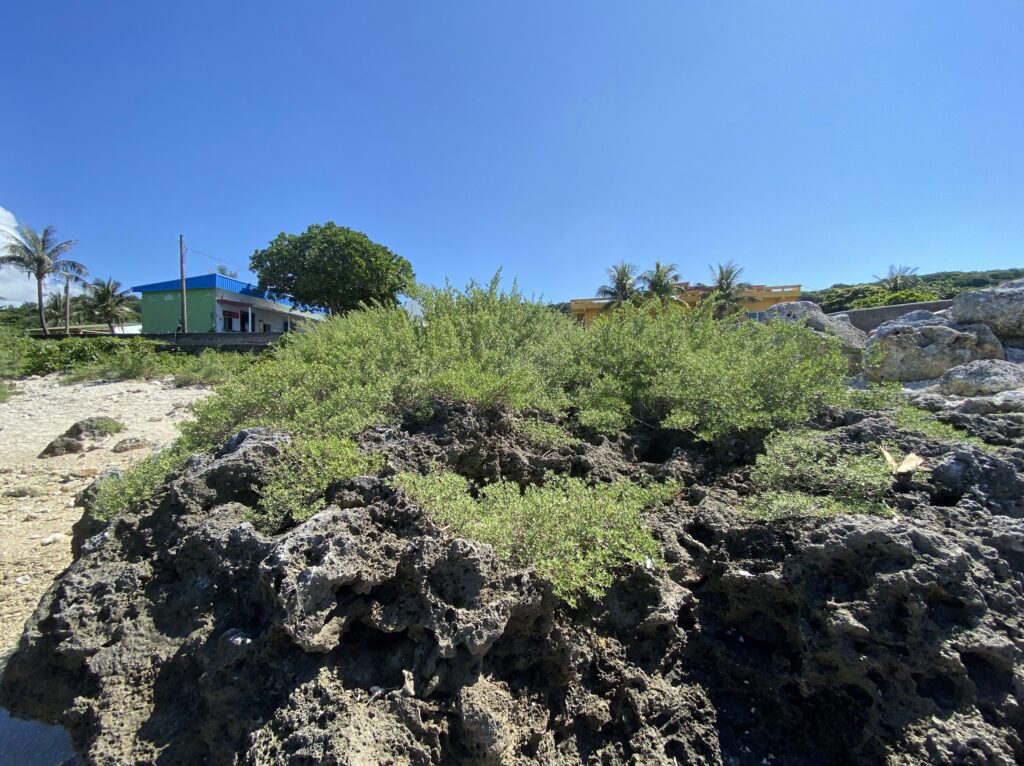
In terms of geology, Banana Bay Ecological Reserve is located in a low-lying structural zone with high permeability sand dunes covering porous coral reef rocks. As a result, it has abundant springs, with the famous Banana Bay Spring being a notable example. The steep and challenging terrain has discouraged development, and this may be the primary reason why this area still preserves significant coastal forests.
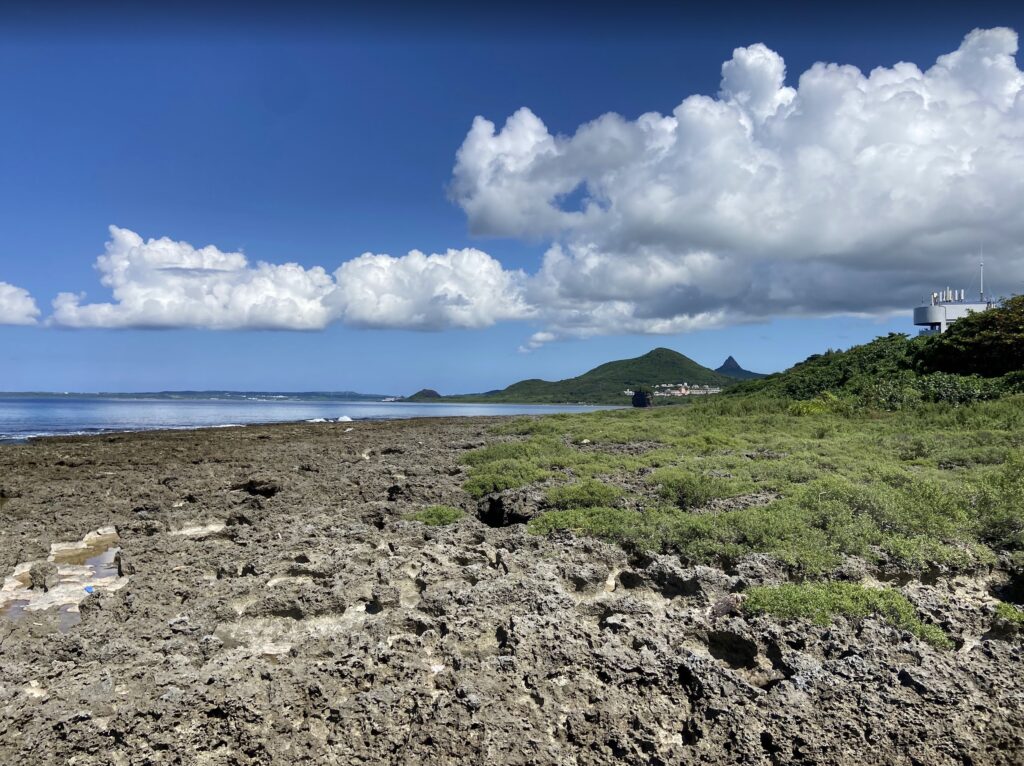
If you walk right from the Banana Bay Fishing Port, you will soon arrive to Sail Rock, which you can see as a black spot in the distance in this photo.
In the past, Banana Bay served as a whaling port and a processing factory for whales. However, there are no remnants of any such facilities today. Southern Taiwan was once a habitat for whales, but due to the relentless hunting and exploitation by humans, the breathtaking sight of whales spouting water is now a thing of the past in this area.
The underwater terrain near Banana Bay is rich and diverse, with flourishing coral reefs and a wide variety of tropical fish species, it was just recently when a turtle came seeking shelter in Banana Bay Fishing Port from the typhoon. It has become a popular destination for snorkeling enthusiasts.
The Banana Bay Tropical Coastal Forest Ecological Reserve is located next to Banana Bay Fishing Harbor, stretching along the coast for approximately 1.5 kilometers. This ecological reserve is the last remaining tropical coastal forest in Taiwan, covering an area of approximately 2 hectares. The forest within the reserve is pristine and ecologically intact, preserving a unique and precious ecosystem.
Virtual 360° tour in Banana Bay Fishing Harbour and Coast
he underwater topography near Banana Bay is diverse and rich, with well-developed coral reefs and a wide variety of tropical fish species. It has now become a premier destination for snorkeling enthusiasts.
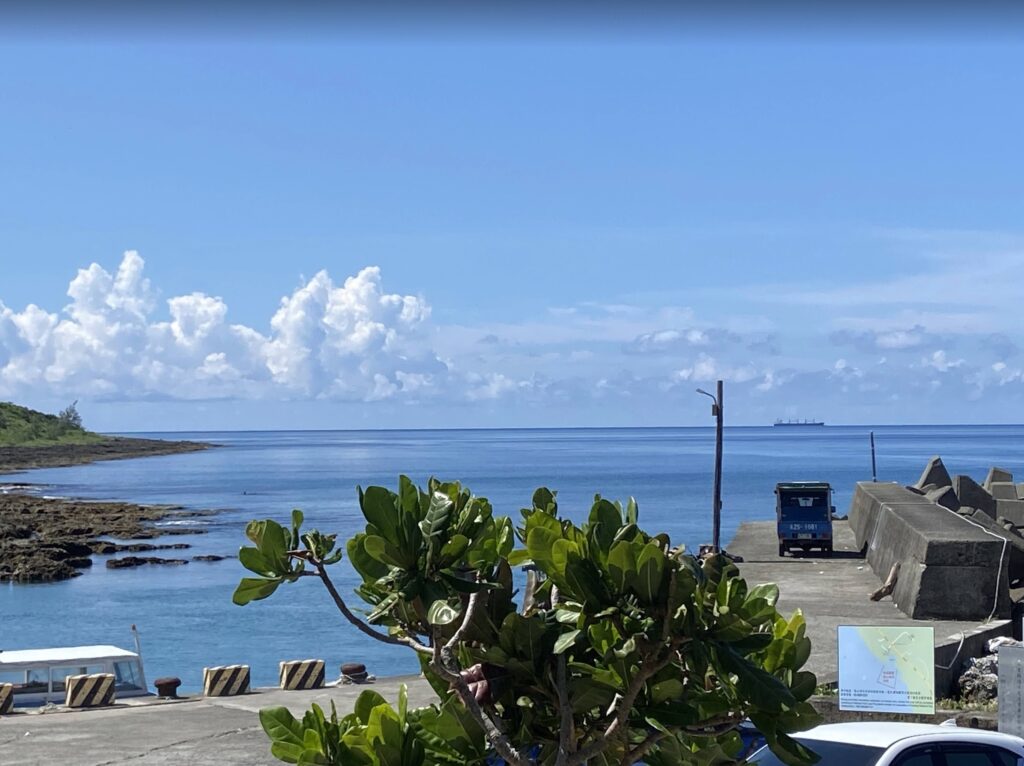
This ecological reserve is the last remaining tropical coastal forest in Taiwan, covering an area of approximately 2 hectares. The forest within the reserve is pristine and ecologically intact, preserving a unique and precious ecosystem.
Every year around July is the season for land crabs to lay eggs on the Hengchun Peninsula. Around Banana Bay Ecological Reserve, roads are often teeming with land crabs crossing Taiwan Highway 26 to reach the sea for egg-laying.
Consequently, there are “Caution: Land Crabs, Slow Down” traffic warning signs along the roads in this area. According to research commissioned by Kenting National Park, there are over 25 different species of land crabs in the vicinity of Banana Bay, making it one of the most diverse places for land crabs in a single small area worldwide. This diversity is exceptionally valuable, so when driving through the Sail Rock to Banana Bay region, please reduce your speed and proceed with caution.

The land crab egg-laying season typically occurs from June to October, with the period around the full moon seeing more land crabs. The peak time for land crab egg-laying is generally from 7:30 PM to 10:00 PM, with 8:00 PM being the pinnacle. If you wish to witness this natural spectacle, it’s recommended to visit around 8:00 PM during the lunar months of August and September.