
A leisure farm in Hengchun, known for its picturesque sunsets and starry skies, operated without a hotel license.
Similarly, a guesthouse in Kenting, promoting convenient access to dining, shopping, and water activities, and offering package tours, received high praise from online users for its value for money, but it also lacked a homestay registration.
Following a joint inspection by the county government, penalties of 300,000 NTD and 276,000 NTD were imposed on the respective establishments, along with orders to cease operations. However, both operators had delayed payment of the fines, leading the executive agency to seize their deposits, which were promptly settled.
The Pingtung Branch of the Administrative Enforcement Agency pointed out that a certain vacation leisure farm in Hengchun, with its selling points of beautiful sunsets and starry skies, has 22 operating guest rooms but lacks a hotel industry registration certificate.
Similarly, a guesthouse in Kenting promotes convenient access to dining, shopping, and water activities. It even offers customized tour planning, receiving high praise from online users for its value for money. However, the operator runs a homestay business with 14 rooms without a homestay registration certificate.
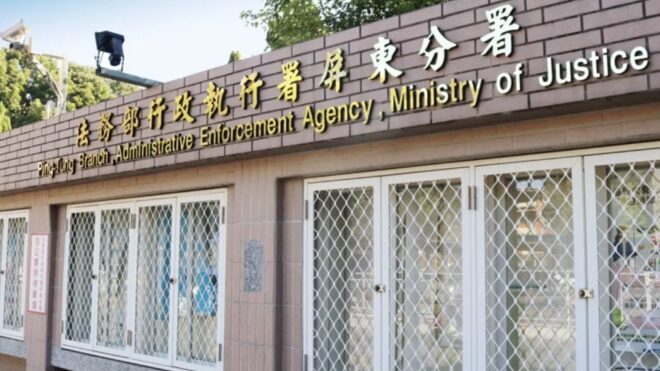
The Pingtung County Government conducted joint inspections in 2021 and 2022, taking into account the number of operating rooms of the two operators. Based on the Tourism Development Act, they imposed fines of 300,000 NTD and 276,000 NTD respectively and ordered them to cease operations. The cases were transferred to the Pingtung Branch of the Administrative Enforcement Agency under the Ministry of Justice for execution.
The Pingtung County Government conducted joint inspections in 2021 and 2022, taking into account the number of operating rooms of the two operators. Based on the Tourism Development Act, they imposed fines of 300,000 NTD and 276,000 NTD respectively and ordered them to cease operations. The cases were transferred to the Pingtung Branch of the Administrative Enforcement Agency under the Ministry of Justice for execution.
The TDA defines a number of terms related to tourism, including tourism industry, tourists, tourism location, designated scenic spots, and ecological or cultural environment reserve. It also establishes a number of requirements for businesses that operate in the tourism industry, such as obtaining licenses and registering with the government.
After accepting the case, the Pingtung Branch found that both parties involved in the violation possessed substantial real estate assets and holdings in multiple listed companies.
One of the owners has 13 parcels of land and properties under their name without any mortgage liens. The other owner owns a house in the northern region worth tens of millions of dollars and also holds land in the central region, with assets far exceeding the amount of the fines owed.
The Pingtung Branch took preemptive action by freezing several bank accounts under the names of the two individuals.
One of the owners sent a letter stating their intention to arrange installments due to poor performance in other business operations.
However, since the owner’s real estate properties had no mortgage liens and the value of their stocks exceeded the amount of the fines, indicating they were not financially incapable of making a one-time payment, the branch rejected the application.
After receiving reports of sufficient funds being withheld from the banks where the two individuals conducted transactions, the branch issued an executive order instructing the banks to release the frozen funds.
The enforcement of the penalty fines against the two violators in the hospitality industry was promptly carried out.